Explore Military Training and Simulation Systems in 2025
Understanding Military Training and Simulation Systems in 2025
In the current landscape of military operations, the role of training and simulation systems is more crucial than ever. As armed forces prepare for various missions globally, these systems provide an essential framework for effective and safe training. By replicating real-world scenarios that soldiers might encounter, these systems enable troops to hone critical skills without the inherent risks associated with live training exercises. This transformation in military training is vital, especially as the demands on modern militaries evolve.
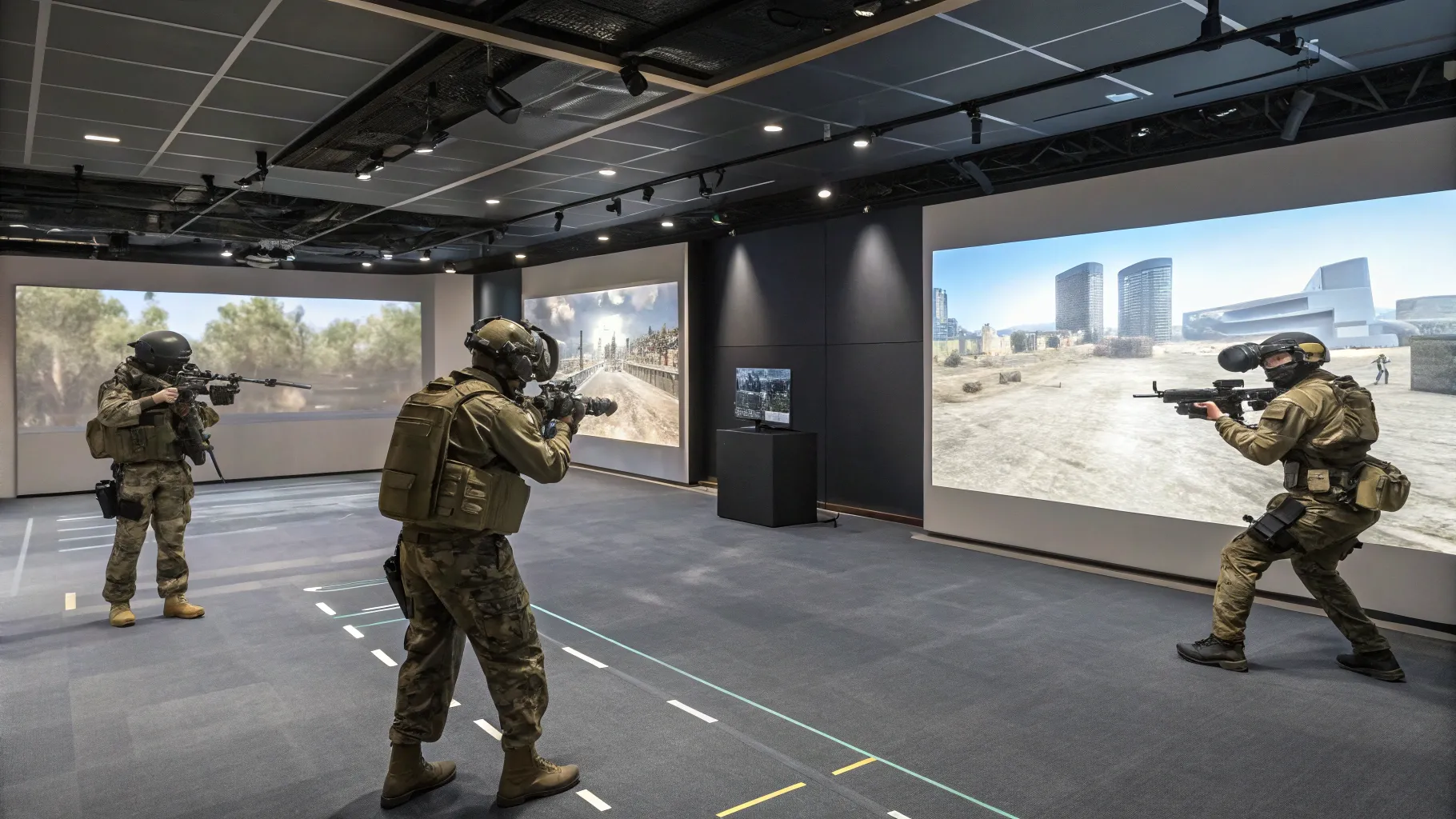
Diverse Types of Military Simulation Systems
Military training systems come in many forms, each tailored to meet specific training needs:
- Live Simulation: This method involves real personnel operating actual weapons and equipment in controlled environments. Live-fire exercises, for example, allow troops to refine target acquisition and engagement skills while fostering teamwork and coordination.
- Virtual Simulation: Utilizing cutting-edge technology, this form creates immersive environments where soldiers conduct tactical operations. Virtual reality (VR) setups allow for a realistic experience that simulates intense combat situations without logistical drawbacks, significantly saving resources.
- Constructive Simulation: In this approach, digital models of forces are manipulated to strategize and simulate battles. Commanders and planners utilize constructive simulations to test various tactical maneuvers and predict outcomes, thereby enhancing decision-making skills.
- Gaming Simulations: Leveraging the engaging aspects of video games, these simulations are designed for educational purposes. They simulate combat scenarios while fostering critical thinking and fast decision-making skills, proving beneficial for various military ranks.
Current Landscape of Army Training Equipment and Surplus Systems
The inventory of army training equipment is extensive, comprising essential resources to keep military personnel sharp. Key components of this inventory include:
- Infantry Fighting Vehicles (IFVs)
- Armored Personnel Carriers (APCs)
- Advanced simulation software tailored for tactical operations
- Individual Weapon System Trainers (IWST)
- High-fidelity flight simulators that replicate aircraft operation
As armed forces continue to upgrade their technology and equipment, surplus training systems emerge as an attractive option, providing smaller military units with affordable, quality training tools. Many of these systems are available at significantly reduced prices, allowing interested buyers to explore refurbished equipment that meets various simulation system needs.
Refurbished Military Training Systems: Pricing Insights
Currently, the pricing of refurbished military training systems has become a topic of significant interest, particularly as defense budgets tighten. Cost-effective solutions such as refurbished flight simulators can range from $45,000 to $200,000, depending on their specifications and capabilities. This trend indicates a robust demand for high-quality training simulations at lower costs. Contracts from defense contractors now emphasize incorporating advanced technology while providing updated training equipment that enhances performance without breaking the budget.
Expanding Civilian Applications of Military Simulation Technology
The impact of military simulation technology is reaching beyond the armed forces into various civilian sectors. Law enforcement agencies, for instance, utilize virtual simulations to enhance tactical capabilities during training. Scenarios such as hostage situations or active shooter events are simulated, allowing personnel to practice responses without jeopardizing public safety. Recently, this training approach has proven invaluable, especially during crises.
Moreover, emergency services like fire departments have begun adopting simulation software for training purposes as well. By practicing emergency responses in virtual environments, these teams improve their coordination and decision-making skills under pressure. The rise of increasingly sophisticated simulation software allows for realistic practice scenarios that enhance overall preparedness.
The gaming industry, too, has borrowed elements from military training systems, leading to the emergence of new opportunities for training in sectors like healthcare. Educational institutions are integrating advanced simulation tools into their curriculums, allowing medical professionals to practice procedures in risk-free digital environments. This approach not only cultivates skills but also builds confidence among future healthcare providers.
Best Practices for Maintaining and Upgrading Training Systems
To maximize the benefits of military training and simulation systems, maintenance is key. Here are some strategies organizations adopt to ensure their equipment remains functional and effective:
- Regular Software Updates: Consistent software maintenance enhances security and operational efficiency, ensuring trainers and personnel can seamlessly operate simulation systems.
- Hardware Inspections: Conducting frequent inspections of hardware components is vital for identifying potential issues early, allowing for timely repairs and replacements.
- Comprehensive Personnel Training: Regularly updating personnel training ensures that all users are well-versed in operating systems, keeping training effective and enhancing tactical performance.
- Back-up Systems: Implementing back-up systems reduces the risk of downtime in training schedules, providing alternatives if primary systems fail.
In the evolving world of military training systems, technology plays a pivotal role, shaping how troops prepare for both current and future challenges. As we navigate ongoing advancements, the integration of artificial intelligence and machine learning continues to revolutionize simulation designs. This ensures that military personnel are not only prepared for today’s battles but are also well-equipped to handle emerging challenges in warfare.
The convergence of military applications into civilian sectors highlights the versatility and critical importance of simulation systems. These tools adapt remarkably well, embodying the dynamic nature of our modern world and ensuring effective training across disciplines.
Authored by FreshLifeWire team