Explore Military Special Systems Equipment for Civilian Use
Understanding Military Special Systems Equipment
Military special systems equipment is a cornerstone of contemporary defense strategies, offering cutting-edge capabilities tailored for specific missions. This specialized gear is meticulously developed to perform under extreme conditions, making it indispensable not only in combat zones but also across a range of civilian applications. From advanced communication systems to protective gear, each component plays a crucial role in ensuring operational success.
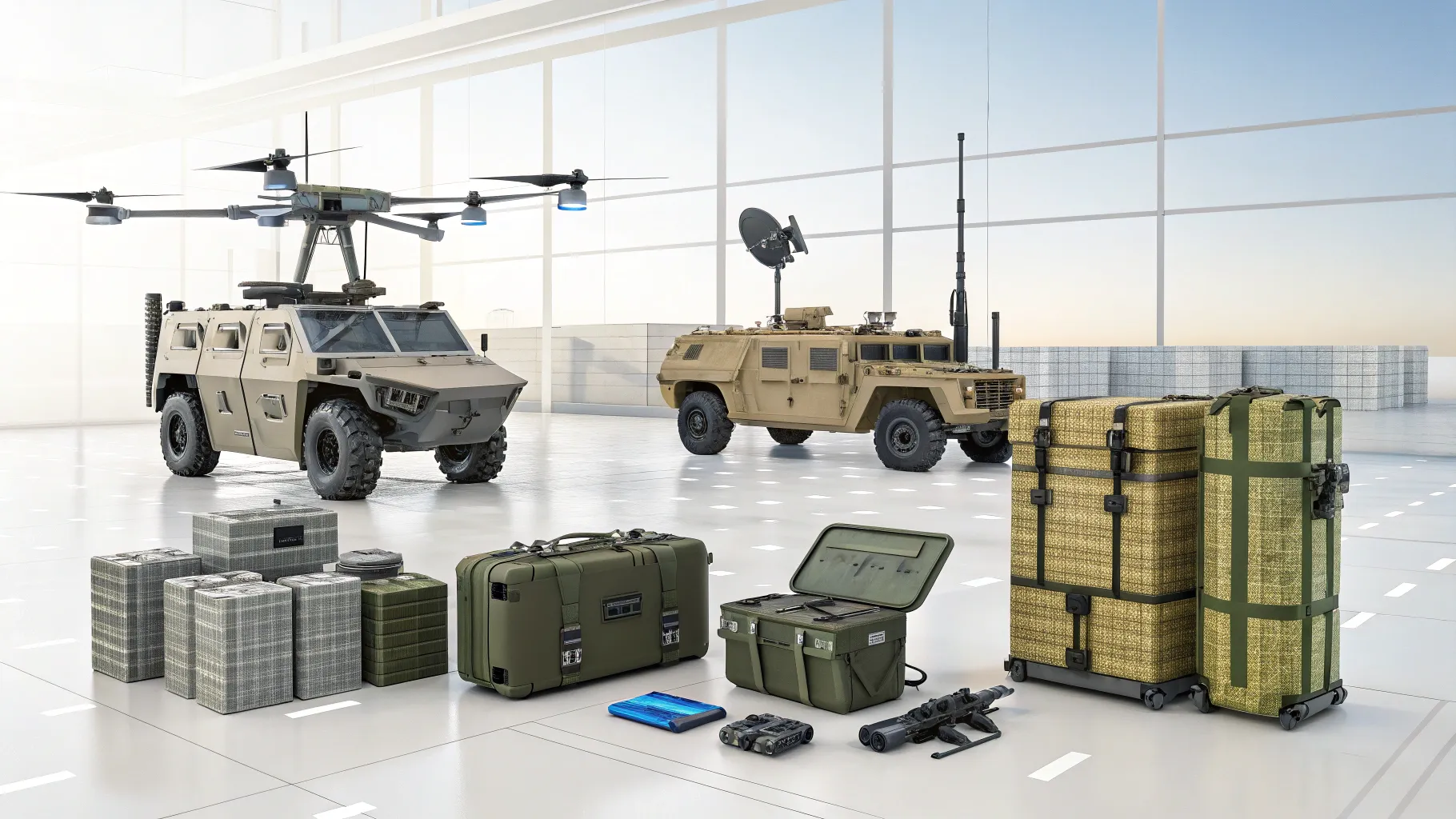
Types of Special Military Systems
- Communication Systems: Uninterrupted communication is vital in military operations, and advanced communication setups like tactical radios and satellite systems facilitate this. The latest technologies include encrypted communications that enhance secure exchanges over large distances, ensuring that personnel can maintain contact regardless of the battlefield's complexities.
- Surveillance Equipment: Surveillance capabilities have evolved dramatically with the introduction of drones fitted with high-resolution cameras, infrared sensors, and sophisticated electronic warfare technologies. Quadcopter drones are particularly noteworthy for their versatility, now widely used for both military reconnaissance and civilian purposes like security monitoring and wildlife surveys.
- Protective Gear: Innovations in protective equipment have paved the way for lighter, more ergonomic designs in bulletproof vests, helmets, and other personal gear. These items now provide enhanced mobility along with improved protection ratings, ensuring that personnel are both safe and agile in high-risk environments.
- Vehicles: Armored vehicles and specialized transport options play a critical role in military logistics. Recent advancements in autonomous vehicles are reshaping military mobility, allowing for efficient transport of troops and materials, even in challenging terrains.
- Weapons Systems: The evolution of weaponry, from precision-guided munitions to advanced targeting systems, underscores a shift in tactical dynamics on the modern battlefield. These sophisticated systems enhance accuracy and effectiveness, significantly impacting operational strategies.
These categories merely scratch the surface. Emerging technologies in explosive ordnance disposal and advanced weather monitoring have also proven critical in mission success, indicating a growing reliance on high-tech solutions in military operations.
List of Surplus Military Special Equipment
As militaries around the globe undertake technology upgrades, a range of surplus military special systems comes onto the market. Options for acquisition include:
- Ex-military vehicles that are often refurbished for civilian use
- Tactical communication equipment, essential for secure operations
- Surveillance drones that provide aerial perspectives and data collection capabilities
- Medical field equipment designed for rapid emergency response
- Specialized clothing and gear that enhance functionality and safety
In 2025, platforms such as GovPlanet and Surplus Inventory feature listings of surplus military special equipment ready for acquisition. For example, a refurbished tactical drone might range from $5,000 to $50,000, depending on its features and condition, while armored transport vehicles generally start at around $20,000, presenting an appealing option for various buyers.
Understanding Refurbished Special Systems Prices
Buying refurbished military equipment offers a cost-effective avenue for both civilian and military users. Prices can fluctuate widely based on several key factors:
- The overall condition of the equipment, with mint-condition items commanding higher prices
- The age of the equipment; newer models often come at a premium
- Specifications and capabilities must align with buyer needs to ensure effectiveness
- Market dynamics can affect supply and demand, thus influencing prices
For instance, refurbished tactical radios are typically priced between $1,500 and $10,000, depending on their specifications. Meanwhile, older models of armored vehicles may also be available at significantly lower prices, thus giving consumers options that meet both budget and functionality criteria.
Uses of Special Systems in Civilian Projects
The versatility of military special systems equipment transcends military use, embracing numerous civilian applications. For instance, drones originally designed for military surveillance are now leveraged in agriculture for crop health assessments, in disaster response initiatives for rapid damage evaluation, and in real estate for stunning aerial photography.
Additionally, law enforcement agencies have adopted technologies such as surveillance equipment and armored vehicles to assist in operations and enhance public safety during large gatherings. The application of body armor and enhanced protective gear designed for military personnel has also made its way into police use, ensuring officer safety in increasingly unpredictable environments.
Buying Ex-Military Special Systems
Purchasing ex-military equipment can be an enticing prospect for businesses, enthusiasts, and collectors. However, compliance with local laws regarding ownership and utilization is paramount. Conducting thorough research about the seller, the specific equipment, and the required licenses or permits is crucial to ensure a responsible purchase.
Prospective buyers have numerous avenues to explore, including online platforms and auction sites that list various military surplus items. Attending military surplus sales or expos can offer significant advantages, as it allows buyers to inspect items firsthand. Requesting detailed documentation regarding the history and condition of any equipment prior to purchase is always recommended.
Maintenance and Inspection Tips for Special Military Equipment
To maintain the longevity and operational efficiency of special military equipment, regular maintenance and thorough inspections are essential. Here are some practical tips to consider:
- Adhere to manufacturer guidelines for routine maintenance checks and repairs to keep equipment in optimal condition.
- Before each use, inspect components for any signs of wear or damage, concentrating on critical areas that can affect performance.
- Keep all equipment clean and free from dirt or contaminants that could lead to operational malfunctions.
- Ensure equipment is stored in climate-controlled environments to mitigate risks of deterioration.
- Stay updated on software and firmware for digital systems, as prompt updates can improve performance and security.
By implementing these maintenance practices, users can significantly extend the lifespan and efficacy of military special systems equipment, ultimately providing a strong return on investment.
In summary, military special systems equipment embodies more than mere wartime implements. Their adaptability and multifunctionality enable them to excel in various civilian domains, from agriculture to law enforcement. With an informed approach, buyers can expertly navigate this evolving market and leverage military-grade systems for a myriad of applications.
Authored by FreshLifeWire team