Military Machinery Overview by Country and Trends 2025
Military Machinery Overview by Country in 2025
In the evolving landscape of modern warfare, military machinery stands at the forefront of operational success. As we progress through 2025, nations worldwide have significantly invested in military technology, emphasizing an array of armored vehicles, logistics trucks, and specialized engineering machines. This analysis provides an elaborate overview of the military machinery utilized by various countries, shedding light on how they equip their armed forces with cutting-edge technology to meet contemporary challenges.
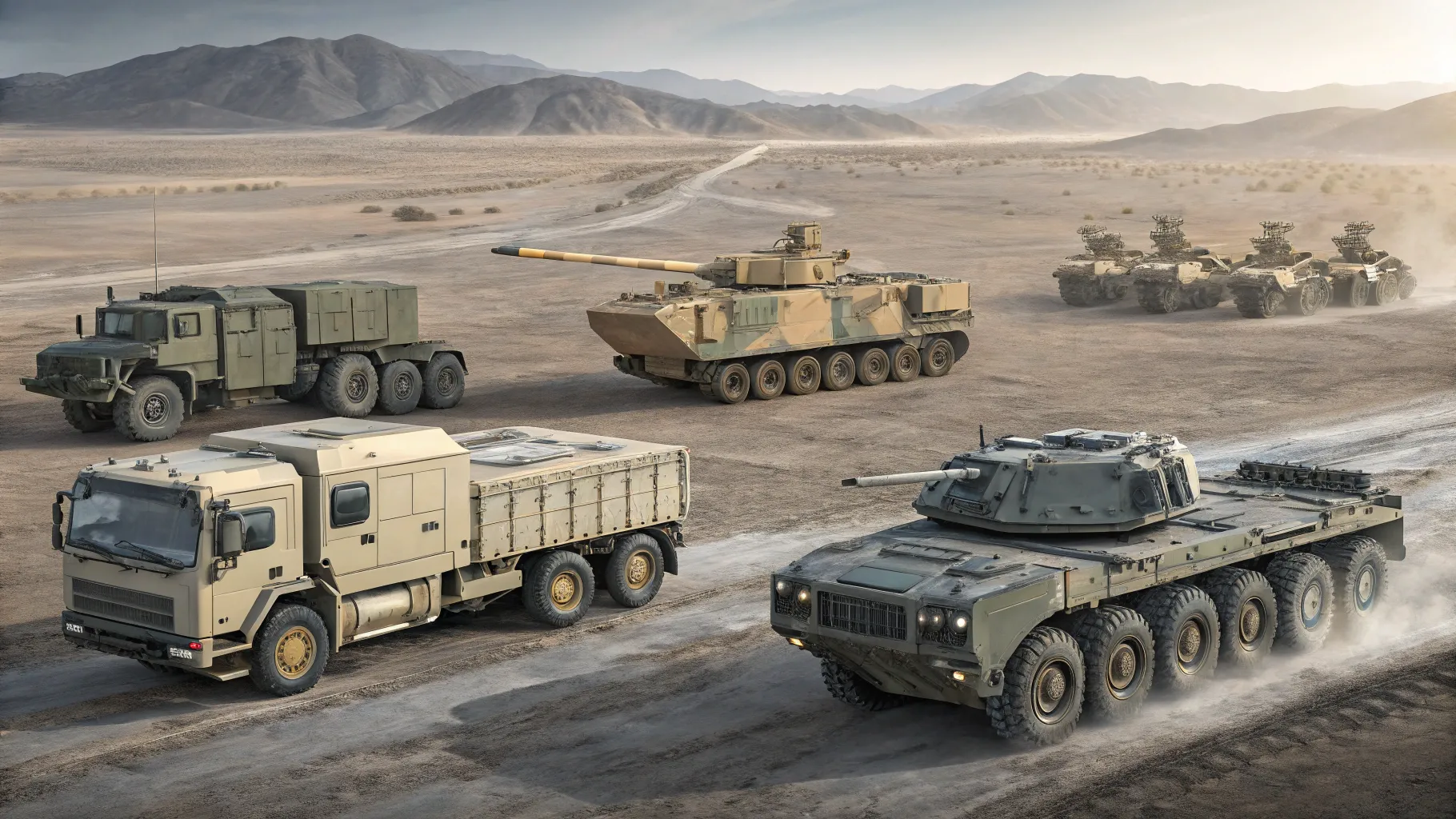
Types of Military Machinery Used Worldwide
Each country prioritizes distinct military capabilities based on its strategic objectives, geographical considerations, and threat perceptions. Consequently, military machinery can be categorized into several essential types:
- Armored Vehicles: This category includes tanks and personnel carriers specifically designed for frontline engagements and protection of troops.
- Logistics Vehicles: Trucks and supply vehicles ensure efficient transportation and supply chain operations, which are crucial during military campaigns.
- Aviation Machinery: This group consists of fighter jets, helicopters, and drones that enhance aerial capabilities and reconnaissance.
- Naval Vessels: From aircraft carriers to submarines, these ships are crucial for maintaining maritime security and projecting power on the seas.
- Engineering Machines: Heavy machinery employed for construction, recovery, and logistical tasks on the battlefield ensures operational readiness.
Comparison of Military Equipment by Nation
The global military landscape showcases varied emphases on specific types of machinery, reflecting each nation's tactical requirements and defense postures.
United States: Dominating the military machinery spectrum, the U.S. possesses advanced technologies, including the formidable M1 Abrams tank and MRAP (Mine-Resistant Ambush Protected) vehicles. As of 2025, the U.S. Department of Defense has allocated about $800 billion for military expenditures, focusing not only on advancements in armored vehicles but also on innovative aircraft like the F-35 Lightning II. This budget supports ongoing modernization and the integration of next-generation warfare technologies.
Russia: With a rich history of military prowess, Russia has invested heavily in sophisticated armored units, such as the T-14 Armata tank and BMP infantry fighting vehicles. The nation has demonstrated the performance of its latest machinery during military exercises, underscoring a commitment to maintain a formidable defense and offensive operational capability.
China: Rapid advancements define the People’s Liberation Army (PLA), equipped with cutting-edge machinery such as the Type 99 tank and ZBL-09 armored personnel carrier. In 2025, China has also emerged as a leader in drone technology, reflecting its ongoing military modernization efforts aimed at enhancing capabilities across the spectrum of warfare.
Germany: Known for its engineering expertise, Germany’s military is equipped with advanced platforms like the Leopard 2 tank and Puma infantry fighting vehicles. Germany’s commitment to maintaining a high standard of military readiness is reflected in continuous investments aimed at improving its existing fleet and enhancing joint operations within NATO frameworks.
List of Military Engineering Machines by Country
Military engineering vehicles play a critical role in supporting both construction and recovery operations during missions. While these vehicles vary across nations, common types include:
- Bulldozers: Essential for terrain clearance and establishing operational bases.
- Bridge Layers: Vital for constructing temporary or permanent bridges in hostile environments.
- Recovery Vehicles: Used to tow and recover damaged military equipment from combat zones.
United Kingdom: The British Army employs vehicles like the BvS10 Viking, excellent for engineering tasks across various terrains, showcasing versatility in their operations.
India: With an increasingly robust defense budget, India is prioritizing investments in engineering vehicles, particularly the Tata and Ashok Leyland models, enhancing logistical flexibility and recovery capabilities integral to its military operations.
Armored Vehicles and Trucks by Country
Armored vehicles and logistics trucks serve as the foundation for military mobility and protection in combat situations. Analyzing how different nations structure their armored fleets provides insights into their military effectiveness and readiness.
France: The Leclerc tank exemplifies France’s modern approach to armored warfare, combining speed and firepower. The country also leverages robust logistics trucks, such as the Renault TRM, to maintain seamless supply chains during operations.
Japan: The Type 10 tank represents Japan’s commitment to agility in armored warfare, ensuring high mobility while adhering to its defense policies. Additionally, the reliable logistics trucks from Komatsu play a vital role in supporting military endeavors.
Modern Military Machinery Trends in 2025
The military machinery landscape in 2025 is significantly shaped by key technological trends that continue to redefine warfare strategies. Here are some of the prominent trends observed:
- Automation and Robotics: There is a growing reliance on unmanned systems for tactical operations, increasing efficiency while minimizing risks to human lives during missions.
- Sustainability Initiatives: Many nations are integrating green technologies to reduce the environmental impact of military operations, leading to the development of electric and hybrid vehicles designed for combat and transport.
- Digital Warfare Capabilities: The rise of enhanced cyber capabilities is revolutionizing the design and deployment of military machinery, focusing on electronic warfare systems that protect assets while disrupting enemy communications.
As we witness the acceleration of military innovations, nations are concurrently adapting their strategies to address emerging challenges. Understanding these dynamics allows countries to enhance their defensive postures and prepare for future geopolitical uncertainties.
The 2025 military machinery landscape is one of rapid transformation, driven by technological advancements, strategic imperatives, and dynamic global relations. By comprehending the tools at their disposal, nations can effectively navigate threats and reinforce their global security frameworks, aiming for peace in an increasingly complex world.
Authored by FreshLifeWire team