Military Machinery by Nation Pricing Guide for 2025
Military Machinery Categories by Nation with Price Ranges
In the constantly evolving landscape of military technology, understanding the categories of military machinery and their costs by nation is crucial. As we navigate through 2025, countries worldwide are allocating impressive budgets to procure diverse military equipment. This includes everything from armored vehicles to heavy engineering machines, each essential for modern warfare tactics. In this article, we will explore various key categories of military machinery, their applications, and estimated price ranges by nation.
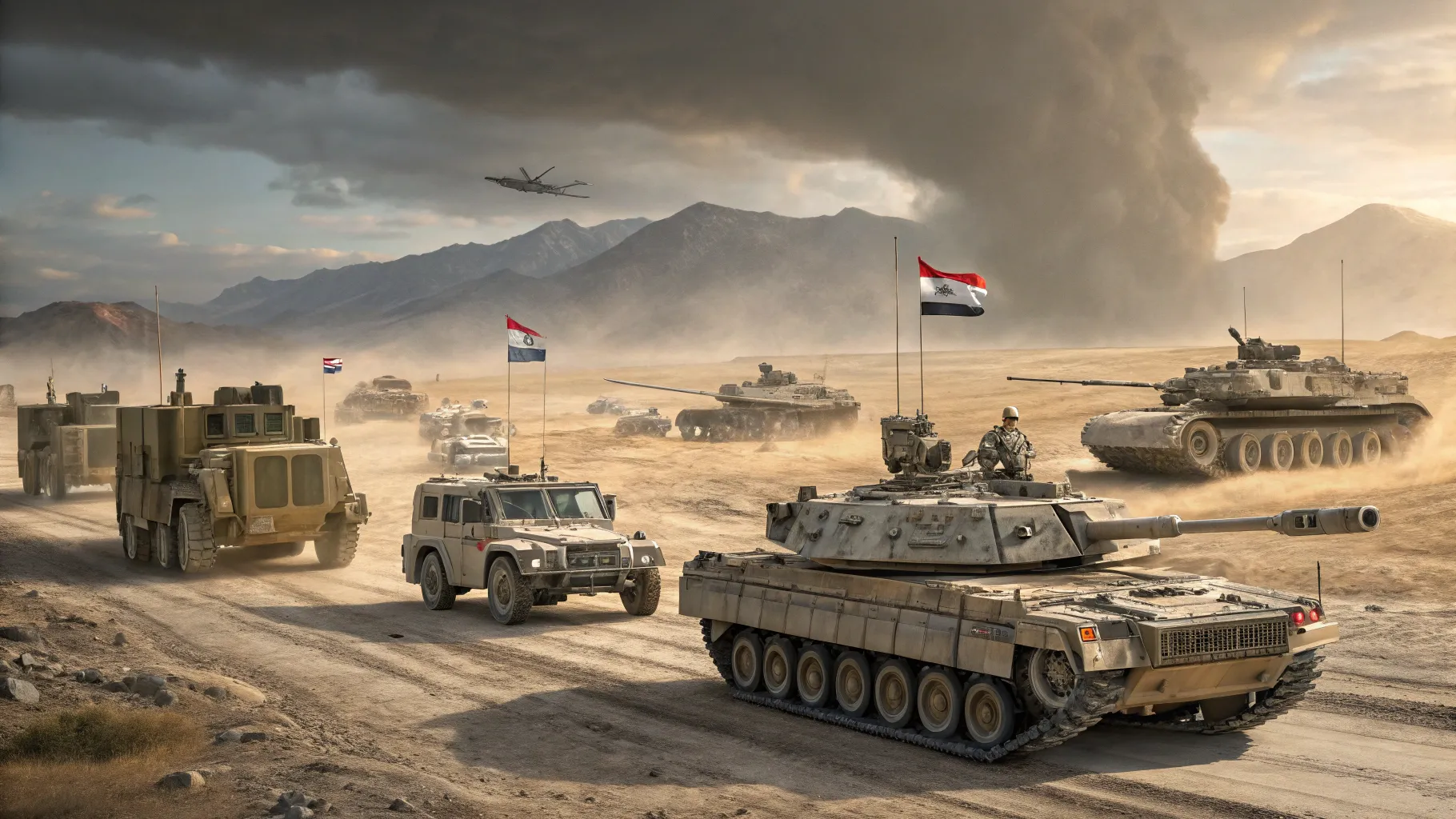
Armored Vehicles
Armored vehicles are foundational to the strength of any military force. They provide vital support for troop transport, reconnaissance missions, and direct combat engagement. The price of armored vehicles differs significantly depending on type, capabilities, and technological advancements.
- United States: The Bradley Fighting Vehicle, known for its versatility, is approximately $4.5 million. Furthermore, the latest M1 Abrams Tank now costs upwards of $8 million, showcasing advanced firepower and durability.
- Russia: The T-14 Armata tank marks a significant innovation in armored warfare. This flagship vehicle is also estimated at around $4.5 million, highlighting Russia's military development priorities.
- China: Competing closely, the ZTZ-99 main battle tank comes with a price tag of about $4.7 million, demonstrating China's commitment to building a formidable land force.
The variation in designs and capabilities of armored vehicles often leads nations to develop customized solutions for their specific defense requirements and regional threats.
Military Trucks and Heavy Equipment
Logistics is often cited as the backbone of military operations. Efficient transport capabilities are essential for troop movements, supply chains, and building infrastructure in challenging environments. Consequently, investment in military trucks and heavy equipment remains significant.
- Germany: The MAN 6x6 logistic truck, admired for its robustness, is priced at around $300,000. Its proven track record in various terrains makes it a popular choice for many European armed forces.
- India: The Tata 8x8 truck, tailored for domestic conditions, comes in at approximately $150,000. This cost-effective solution illustrates India's focus on self-reliance in defense manufacturing.
- South Korea: The KIA KM250 military truck is estimated at about $200,000, lauded for its durability and performance in hostile conditions.
These trucks do more than transport personnel; they serve as crucial support for artillery units and operational logistics, proving their worth in today's theater of war.
Global Armored Vehicles List and Typical Price Brackets
Ahead of military engagements lie a variety of armored vehicles produced by key global players. The strategic priorities of each nation influence their procurement and production choices.
Key Armored Vehicles and Their Pricing
Let's look at a selection of prominent armored vehicles and their associated costs:
- United Kingdom: The Challenger 2 tank, famed for its advanced armor system, is valued at about $6 million, reflecting high standards in military engineering.
- France: The Leclerc Tank, a staple of France's armored forces, costs around $7 million, representing the nation's investment in cutting-edge military technology.
- Japan: The Type 10 tank, known for its mobility and technical sophistication, is priced at roughly $4.3 million, underlining Japan's innovative approach to defense.
The operational capabilities of these armored vehicles reflect not just financial investments but the nations' technological advancements and strategic focus in defense planning.
Army Engineering Machines by Nation and Estimated Prices
Engineering machines are vital for constructing bases, roads, and other facilities during military operations. As such, countries are committed to investing in these essential machines to enhance tactical advantages in varied terrains.
- United States: The CAT D7R Dozer, a staple in military engineering since World War II, costs around $380,000, proving its ongoing relevance in military construction.
- Russia: The IMR-3, an armored engineer vehicle, is priced at about $1 million, designed for durability and combat readiness in hostile conditions.
- India: The Vijayanta Dozer, part of India’s strategic engineering advances, is available for approximately $200,000.
These investments into engineering machines translate into a nation's ability to respond effectively and efficiently to operational requirements.
Defense Machinery Categories per Nation and Average Market Values
Examining defense machinery categories by nation reveals distinct strategies and focus areas in defense budgeting. As of today, the market values remain subject to geopolitical changes, technological innovations, and demand fluctuations.
- Israel: Known for its emphasis on cutting-edge warfare technologies, defense machinery, including the Merkava tanks, reflects market values in the billions and showcases Israel's capabilities.
- Brazil: The Guarani armored personnel carrier, valued at about $300,000, highlights Brazil’s growing emphasis on peacekeeping operations and regional stability.
- Turkey: The ALTAY Tank, produced at about $3 million each, illustrates Turkey's ambition to enhance its role in regional defense capabilities.
Across the spectrum, the interplay of technology, cost considerations, and strategic vision shapes the current military machinery landscape.
In examining the global military machinery landscape in 2025, it is evident how quickly the defense industry is adapting to new technologies and shifting geopolitical landscapes. Nations are strategically investing to not only enhance their capabilities but also to ensure long-term security and operational readiness as they face evolving threats. Each nation is not only navigating its own defense requirements but also the complexities of global military engagements, demanding a keen understanding of modern warfare dynamics. As the interplay between military technology and budget constraints continues, we can anticipate further developments that will shape the future of defense globally.
Authored by FreshLifeWire team