Military Equipment for Farming Benefits and Uses
Military Equipment for Farming Uses
The evolving landscape of modern agriculture has seen a fascinating trend where farmers are increasingly turning to military surplus equipment to enhance productivity and efficiency. It’s not just about using traditional tractors anymore; integrating military equipment for farming uses opens up a myriad of possibilities. Surplus military machinery is adapted for various agricultural functions, providing durable, robust, and reliable performance under challenging conditions. With the global agricultural sector facing pressing demands to increase output sustainably, the adoption of such equipment is a practical solution.
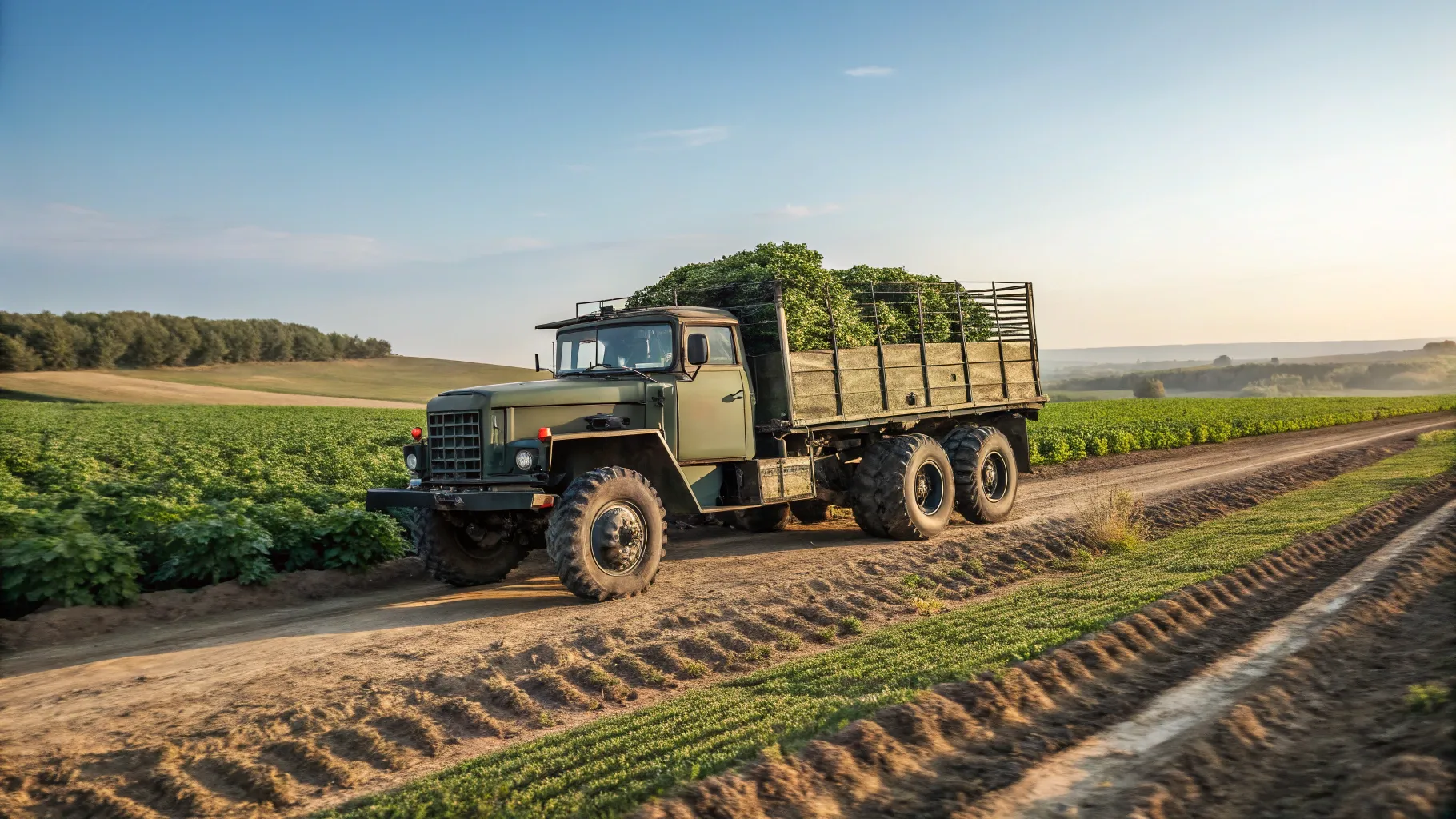
Ex Army Tractors and Vehicles
Farmers today are capitalizing on the advantages offered by ex-army tractors and vehicles. These machines, previously used for military operations, are designed for versatility and endurance, qualities that make them ideal for farming tasks such as tilling, transporting goods, and handling heavy loads. For instance, military trucks like the M35 deuce-and-a-half are popular for their outstanding payload capacity and off-road capabilities. Farmers often find that these vehicles can handle rugged terrains better than typical commercial farming equipment.
A notable example can be seen in regions like the Midwest United States, where farmers have invested in refurbished military vehicles, allowing them to navigate through fields that are often muddy and challenging in wet seasons. The ability of these vehicles to operate efficiently under harsh conditions illustrates their adaptability to agricultural needs.
Benefits of Surplus Military Machinery in Farming
- Diversity of Equipment: The military surplus market offers a wide range of machinery that can cater to various farming needs. From all-terrain vehicles to specialized tractors, the options are plentiful.
- Cost-Effectiveness: Surplus military equipment is often available at significantly lower prices than brand-new agricultural machines. This affordability appeals to farmers looking to maximize profitability.
- Durability: Designed for harsh conditions, military machinery boasts a sturdiness that translates well to the farming environment, reducing maintenance costs over time.
- Resourcefulness: By repurposing military technology, farmers are employing a sustainable approach that minimizes waste and enhances resource utilization.
These benefits, among others, highlight why many farmers have begun integrating surplus military machinery into their operations. The resilience and capability of this equipment allow for increased efficiency and productivity, vital elements in today’s fast-paced agricultural market.
Refurbished Military Farming Equipment Prices
When considering the refurbished military farming equipment prices, it’s essential to evaluate the value against traditional farming machinery. Generally, refurbished military machinery can range from a few thousand dollars to tens of thousands, depending on the type, condition, and modifications done to enhance agricultural functionality. For example, a refurbished military tractor might start at around $7,000, significantly lower than new models that can exceed $30,000.
The cost savings associated with purchasing refurbished military equipment are compelling. For instance, a farmer might invest in a surplus military Humvee for about $10,000, which offers unique capabilities for transport and logistics on the farm. In contrast, a new commercial pickup truck may cost upwards of $40,000, making the former a much smarter investment for a farmer.
Moreover, many organizations focus on refurbishing military equipment specifically for agricultural use, ensuring that these machines are not just functional but optimized for tasks such as soil preparation, planting, and harvesting. Farmers who opt for refurbished equipment often report a significant return on investment, not only through cost reduction but also through increased operational efficiency.
It's important to note that while purchasing surplus equipment can save money, buyers must ensure that they are buying from a reputable dealer. This ensures the machinery has been properly inspected and modified, giving farmers peace of mind during their operations.
Adapting Military Machinery for Agriculture
One of the exciting aspects of using military equipment in agriculture is the adapting military machinery for agriculture. Farmers are becoming increasingly creative in modifying these machines to suit specific agricultural tasks. For example, military cargo trucks can be fitted with flatbed attachments to facilitate the transporting of large harvests, while armored personnel carriers can be converted into mobile workstations for on-the-go repairs or maintenance.
Even more innovative adaptations include transforming military vehicles to serve as mobile seeders or sprayers; these modifications allow for efficient planting or treating of crops directly, maximizing the crop yield potential. In a recent case study, a farmer in Canada adapted an old military vehicle for use as a mobile grain dryer, demonstrating how versatility can lead to advancements in farming practices.
The agricultural sector is ripe for technological advancements, and many farmers are leading the charge by creatively utilizing military surplus machinery. By doing so, they not only improve their operational capabilities but also extend the lifespan and usefulness of equipment originally designed for a very different set of challenges.
With ongoing innovations in farming techniques and sustainability, the integration of military-grade equipment in agriculture will likely become more mainstream. Farmers who embrace these tools may find themselves better equipped to tackle the challenges posed by climate change, fluctuating market demands, and the need for food security. As the lines between military ingenuity and agricultural necessity blur, the future of farming looks robust and resilient.
In this dynamic environment, where traditional farming cannot keep pace with modern demands, the shift toward military equipment represents a compelling narrative of adaptation, resourcefulness, and forward-thinking solutions in agriculture.
Authored by FreshLifeWire team