Military Drones in Civilian Use Transforming Technology
Military Drones in Civilian Use Transforming Industries
The advent of military drones has not only revolutionized warfare but has also sparked their adaptation for civilian applications. Today, an increasing number of industries are leveraging the technology behind military-grade drones to improve efficiency, accuracy, and safety in various operations. From agriculture to disaster response, the intersection of military drones and civilian use is driving innovation in numerous fields.
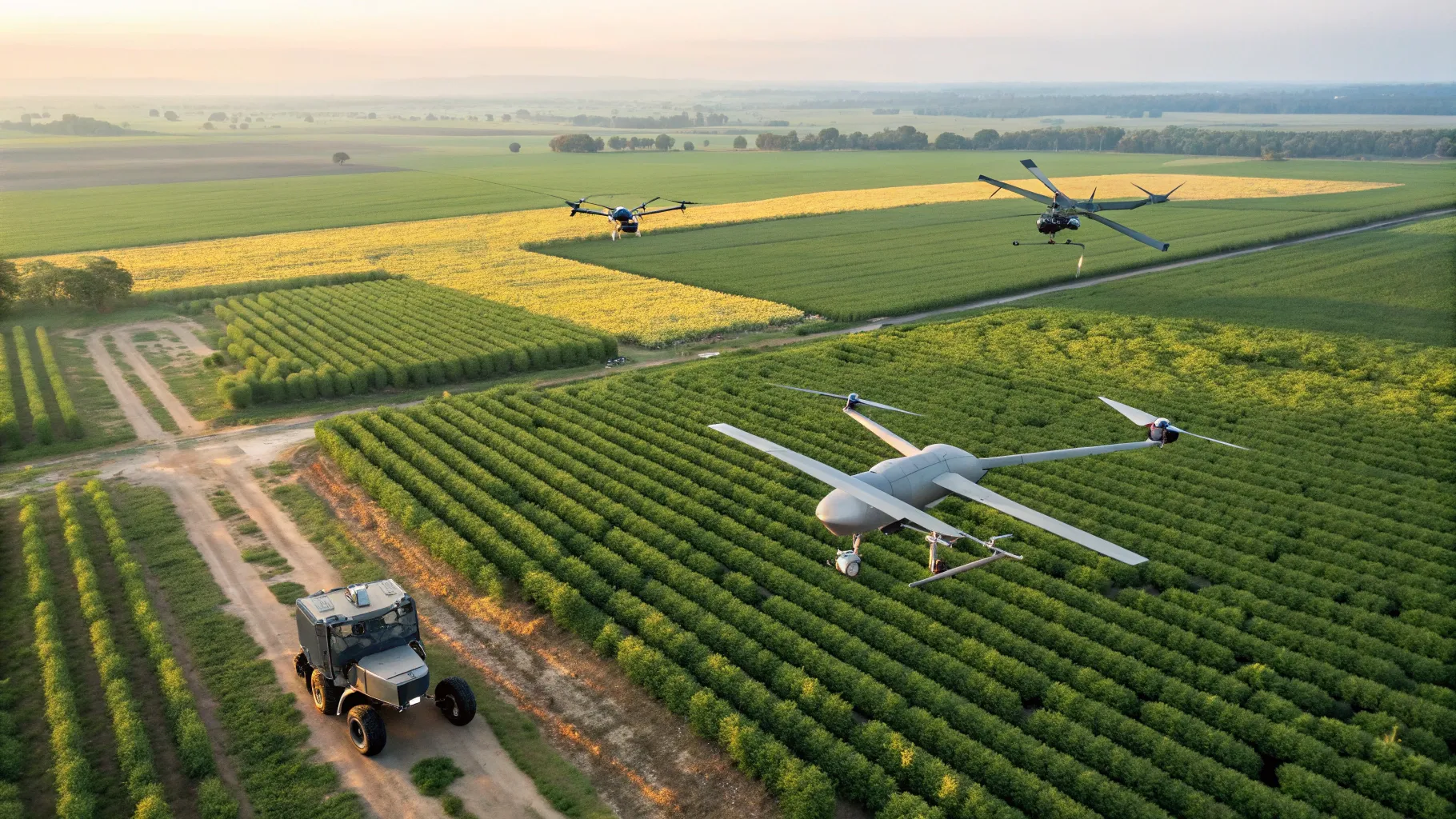
Types of Drones Adapted for Civilian Use
Military drones, initially designed for reconnaissance and combat, have been repurposed for various civilian tasks. Some popular types of military drones that have found new life in civilian use include:
- Multi-rotor Drones: These are extensively used for surveying, mapping, and aerial photography due to their maneuverability and stability.
- Fixed-wing Drones: Known for their long endurance and larger payload capacity, these drones are valuable for agricultural monitoring and surveillance.
- Hybrid Drones: Combining the features of both multi-rotor and fixed-wing drones, they are ideal for varied applications including search and rescue operations.
The versatility of these drone types has paved the way for innovative applications across different sectors, enhancing not only operational capabilities but also safety measures.
Surplus Military Drones for Sale
As military operations evolve, many surplus military drones become available for sale to civilian operators. These drones often come at a fraction of the original cost, allowing businesses to take advantage of advanced technology without the hefty price tag. For example, platforms like GovDeals and GovPlanet frequently list used military drones from government auctions, featuring well-maintained models capable of complex operations.
Many buyers are utilizing these surplus drones for applications such as inspection of infrastructure, environmental monitoring, and even traffic management. The growing availability and accessibility of these units help democratize drone technology, bringing sophisticated capabilities to small businesses and government agencies alike.
Civilian Applications of Military Drones
The diverse applications of military drones in civilian life are astounding. Here are just a few examples:
- Agriculture: Drones equipped with advanced sensors can monitor crop health, assess irrigation needs, and even facilitate precise pesticide application, optimizing yields while minimizing environmental impact.
- Disaster Management: After natural disasters, drones are deployed to survey damage, locate victims, and deliver critical supplies to affected areas, showcasing their life-saving potential.
- Law Enforcement: Police departments across the nation utilize drones for surveillance, crowd control during events, and traffic monitoring, enhancing public safety while minimizing risks to personnel.
A report from S&P Global indicated that the use of drones in agriculture alone is projected to surpass $1 billion by the end of 2025. This statistic underscores the escalating reliance on drone technology across essential civilian sectors.
Regulations for Military Drone Use
The integration of military drones into civilian life doesn't come without regulations. In the United States, the Federal Aviation Administration (FAA) oversees the use of all unmanned aerial vehicles, including ex-military drones that are now in civilian service. Current regulations require drone operators to register their devices, obtain a remote pilot certificate, and adhere to specific operational guidelines to ensure safe and responsible usage.
Additionally, areas of sensitive nature, such as airports, prisons, and government buildings, are designated as no-fly zones. As drone technology progresses, we can expect the regulatory landscape to continue evolving to address public safety and privacy concerns.
Costs of Ex-Military Drones
One of the key attractions of ex-military drones for civilian use is their affordability. Depending on the model and capabilities, prices can range widely. Some smaller military drones can be sourced for as little as $1,500, while larger, high-end models can cost upwards of $100,000.
Despite these variations, the average cost of acquiring a surplus military drone can yield significant savings when compared to civilian-specific drones with similar functionalities. Furthermore, when considering the advanced technology and durability offered by these units, many businesses find them to be a wise investment.
Safety Tips for Civilian Drone Operations
While adapting military drones for civilian use presents exciting opportunities, safety remains paramount. Here are some essential safety tips for operating these aerial devices:
- Conduct Pre-Flight Checks: Always inspect your drone for hardware issues and ensure all systems are functioning correctly.
- Follow FAA Regulations: Adhering to federal guidelines not only ensures legality but also promotes safety in your operations.
- Use a Spotter: When flying in environments where obstacles may be present, having an additional person can help maintain situational awareness.
- Stay Informed: Keep up with changes in regulations and technological advancements to ensure compliance and optimize your drone’s performance.
Engaging with the community and attending workshops can also enhance your skills as an operator, ensuring all drone activities are performed responsibly.
A Brief History of Military Drones Turned Civilian Tech
The journey of military drones into civilian applications can be traced back to the 1990s, when the early models used for reconnaissance began to capture interest from various industries. Over time, as miniaturization and technology advancements emerged, the capability of these drones evolved considerably, leading to the robust drone technology we see today.
Innovations like thermal imaging and GPS-guided flight systems that originated in military projects have transitioned into civilian use, providing unprecedented levels of capability and efficiency. Over the past few years, companies such as DJI and Parrot have further popularized drone use, leading to a significant increase in consumer-friendly drones that emulate features found in their military counterparts.
As we continue to move forward, the line between military and civilian drone operations becomes increasingly blurred, fostering a future bright with potential for mutual benefit.
Authored by FreshLifeWire team