Methods for Permanent Weed Eradication: Your Guide to Long-Term Weed Removal
Facts:
- Some weed seeds can remain dormant for over 50 years.
- A major trend in gardening is integrated pest management for sustainable weed removal.
Achieving a Weed-Free Garden: A Comprehensive Guide
The dream of a pristine, beautiful garden is often challenged by the relentless invasion of unwanted plants. Achieving permanent weed eradication is not about a single battle, but about implementing a strategic, multi-faceted approach. This guide delves into the most effective weed control techniques designed for lasting results, helping you transition from constant weeding to enjoying a thriving landscape. By understanding the lifecycle of weeds and employing proactive strategies, you can establish a robust defense system for your garden, ensuring long-term weed removal becomes a reality rather than a recurring chore. The goal is to create an environment where desirable plants flourish and weeds find it nearly impossible to gain a foothold, essentially making your garden say goodbye to Weeds Forever.
Proactive Weed Control Techniques for Lasting Results
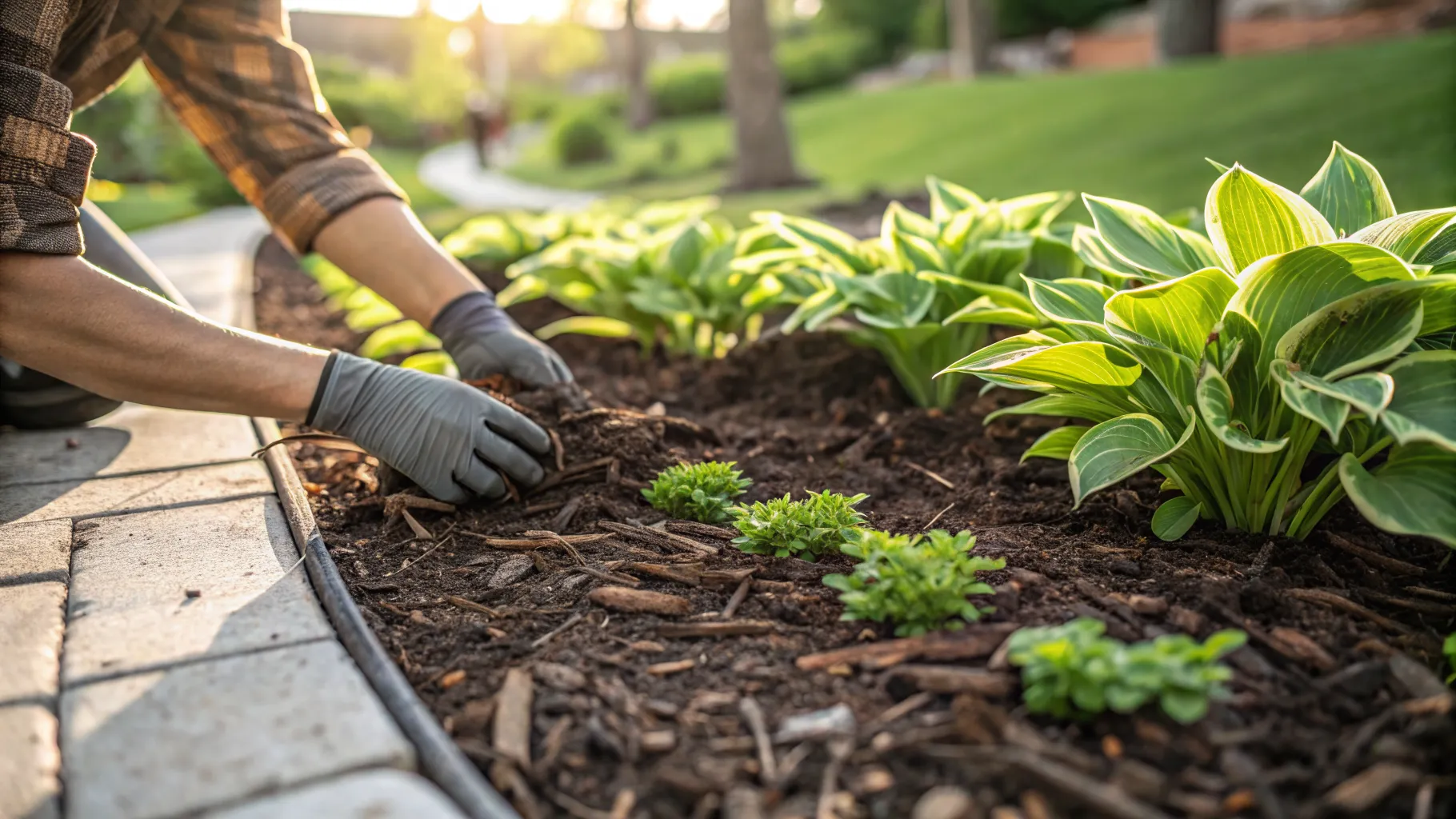
The most effective strategy for dealing with a permanent weed problem is prevention. Proactive garden weed prevention focuses on creating conditions that are inhospitable to weeds before they even have a chance to sprout. One of the cornerstones of this approach is mulching. Applying a thick layer (2-4 inches) of organic mulch like wood chips, straw, or compost blocks sunlight from reaching weed seeds, preventing their germination. Mulch also helps retain soil moisture and regulate temperature, benefiting your desired plants. Another powerful technique is the use of landscape fabric or cardboard as a physical barrier. Placed underneath mulch, these materials provide an extra layer of defense against persistent weeds. For effective long-term weed removal, it's crucial to select the right barrier and ensure it's properly installed, overlapping edges to prevent weeds from finding a way through. These preventative weed control techniques significantly reduce the amount of manual labor required later on.
Manual and Mechanical Methods for Sustainable Weed Removal
When weeds do appear, swift and effective removal is key. Manual and mechanical methods are the pillars of sustainable weed removal because they avoid the use of chemicals and have a direct, immediate impact. Hand-pulling is most effective after a rain or watering when the soil is soft, allowing you to remove the entire root system. For weeds with deep taproots like dandelions, a specialized weeding tool or garden fork can be invaluable to prevent the root from breaking off and regrowing. For larger areas, regular hoeing can sever young weeds at the surface. The best time to hoe is on a hot, sunny day, so the uprooted weeds quickly wither and die. These hands-on weed control techniques are not only effective but also provide an opportunity to inspect your garden beds closely, making them a crucial part of any garden weed prevention plan.
Advanced Solutions: Herbicides and Soil Solarization
For severe infestations or particularly stubborn species, more advanced methods may be necessary to achieve the goal of getting rid of Weeds Forever. Herbicides offer a chemical approach to permanent weed control. They are generally categorized as pre-emergent (preventing seeds from germinating) and post-emergent (killing existing weeds). It is critical to read labels carefully and choose a product appropriate for your specific weed problem and garden type to avoid harming desirable plants. For those seeking a chemical-free alternative, soil solarization is a highly effective, albeit slower, method. This technique involves covering a moist, tilled area of soil with a clear plastic sheet for 4-8 weeks during the hottest part of the year. The sun's heat gets trapped, raising the soil temperature to levels that kill most weed seeds, pathogens, and nematodes. This is an excellent form of long-term weed removal when preparing a new garden bed.
Creating a Resilient Garden Ecosystem
The ultimate form of garden weed prevention is to cultivate a garden so healthy and dense that weeds have no space, light, or nutrients to compete. This involves a holistic approach to gardening. Start by improving your soil health with compost and organic matter. Healthy soil supports vigorous plant growth, which is the best defense against weeds. Secondly, practice dense planting. By spacing your plants closer together (according to their mature size), you create a living mulch that shades the soil surface, naturally suppressing weed growth. This strategy is central to achieving long-term weed removal. Finally, choose native and well-adapted plants for your region. These plants are naturally more resilient and better equipped to outcompete invasive species, making your job of managing a permanent weed problem significantly easier over time.
Frequently Asked Questions
What is the best method for permanent weed eradication?
There is no single magic bullet for permanent weed eradication. The most effective approach is an integrated one that combines multiple weed control techniques. This includes proactive garden weed prevention like mulching and dense planting, consistent manual removal of any weeds that do appear, and the judicious use of advanced methods like solarization or herbicides for severe problems. The key is persistence and creating a healthy garden ecosystem.
How can I achieve long-term weed removal without chemicals?
Achieving sustainable weed removal without chemicals is very possible. The primary methods include applying a thick layer of organic mulch, using landscape fabric barriers, regular hand-pulling and hoeing, and practicing soil solarization to clear new beds. Furthermore, building healthy soil and planting densely will create a competitive environment where your desired plants naturally crowd out and suppress weeds over time.
Is it possible to get rid of Weeds Forever?
While completely eliminating every single weed seed from your garden forever is unrealistic due to wind, birds, and dormant seeds in the soil, you can create a garden where weeding becomes a minor, infrequent task. By consistently applying the right weed control techniques, you can drastically reduce the weed population and prevent new ones from establishing, achieving a state of manageable, near-permanent control.
References
- University of California Agriculture & Natural Resources - Weed Management
- The Old Farmer's Almanac - Guide to Weeding
- Royal Horticultural Society - Weed Control Advice
- USDA National Institute of Food and Agriculture - Integrated Pest Management
Authored by FreshLifeWire team