Medicare Approved Motorized Wheelchair Funding Rules: A Complete Guide
Facts:
- Medicare Part B covers durable medical equipment.
- Growing demand for electric mobility scooters seniors.
Navigating the Intricacies of Medicare's Motorized Wheelchair Funding Rules
Understanding the precise criteria set by Medicare for mobility devices can feel overwhelming. This comprehensive guide is designed to demystify the entire process, providing clear insights into the specific motorized wheelchair funding rules you must follow. We will explore everything from initial qualification to selecting from medicare approved power wheelchairs, ensuring you have the knowledge to successfully navigate the system and access the equipment you need for enhanced mobility within your home.
Core Criteria: Proving Medical Necessity for Your Mobility Device
The cornerstone of all Medicare coverage for mobility equipment is the concept of 'medical necessity.' It's not enough to simply desire a power wheelchair; you must have a documented medical condition that severely limits your ability to perform mobility-related activities of daily living (MRADLs) inside your home. These activities include things like getting to the bathroom, preparing food, or moving from room to room. Medicare evaluates claims based on strict durable medical asset parameters, requiring your doctor to certify that your mobility limitation cannot be resolved by a less sophisticated device, such as a cane, walker, or manual wheelchair. The entire approval process hinges on this fundamental requirement, making thorough medical documentation absolutely critical.
The 'In-Home' Limitation Explained
A crucial and often misunderstood aspect of the motorized wheelchair funding rules is the 'in-home' requirement. Medicare's primary concern is restoring your ability to function safely and independently *within the four walls of your home*. Therefore, the justification for a power wheelchair must be based on your indoor mobility challenges. A need for a device solely for outdoor activities, shopping, or community engagement will not meet Medicare's criteria for a power wheelchair or scooter. Your home environment will also be assessed to ensure it can accommodate the device, which is a key part of the overall approval process.
Required Medical Documentation and Assessments
To successfully obtain one of the medicare approved power wheelchairs, you must provide a comprehensive documentation package. This begins with a mandatory, in-person examination with your treating physician. During this visit, your doctor will assess your condition and determine if a motorized device is the most appropriate solution. Following this, your doctor must complete a detailed written order, often called a Certificate of Medical Necessity (CMN), that explicitly outlines why you need the device. This document is the most important piece of evidence in your claim and must clearly align with all Medicare guidelines and the established durable medical asset parameters.
Power Wheelchairs vs. Scooters: Understanding Medicare's Key Distinctions
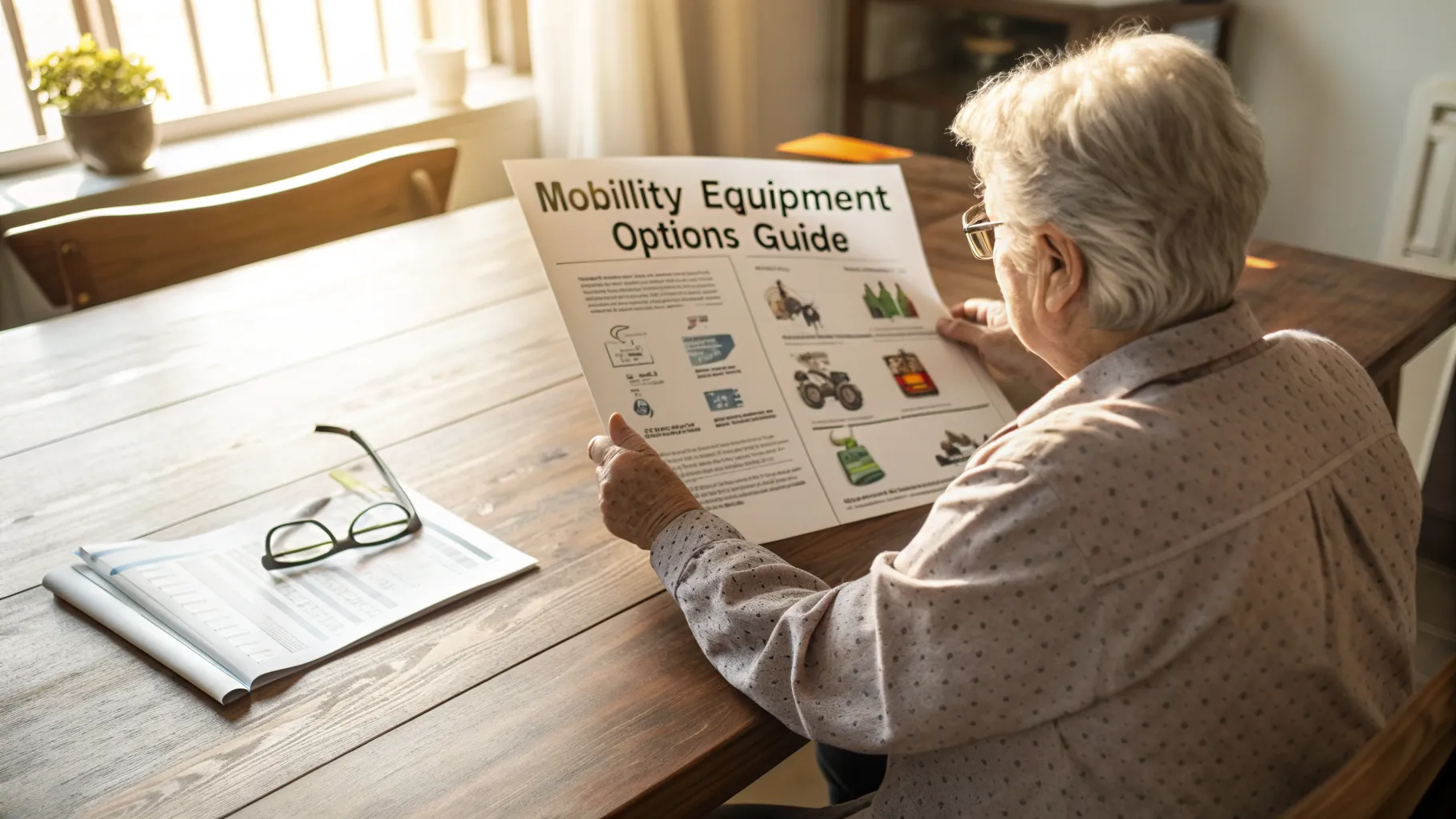
While they may seem similar, Medicare views power wheelchairs and mobility scooters very differently. The choice is not up to the patient; it is determined by your specific medical condition and physical capabilities. A comprehensive mobility equipment options guide from a supplier will detail these differences, but the funding rules are distinct. Generally, electric mobility scooters seniors are prescribed for individuals who can walk but have limited endurance, can stand and transfer on their own, and have sufficient upper body strength to operate the tiller steering system. In contrast, medicare approved power wheelchairs are for individuals with more significant mobility impairments who cannot safely operate a scooter and require the advanced postural support and joystick control that a power chair provides. Misunderstanding these distinctions is a common reason for claim denial.
Your Step-by-Step Guide to the Medicare Application Process
Navigating the application can be complex, but following a structured approach can greatly increase your chances of approval. This mobility equipment options guide outlines the critical steps you must take.
- Step 1: Schedule a Mobility-Focused Physician's Visit. Be explicit with your doctor that the purpose of the visit is to be evaluated for a motorized mobility device. Discuss your daily struggles inside your home and be prepared to answer detailed questions about your physical limitations.
- Step 2: Obtain a Detailed Written Order. Your physician must provide a formal prescription that adheres to all motorized wheelchair funding rules. This isn't a simple note; it's a comprehensive document justifying the need for the specific type of device.
- Step 3: Work ONLY with a Medicare-Approved Supplier. Do not purchase a device from an online store or unaccredited vendor and expect reimbursement. You must use a supplier who is enrolled with Medicare. They will help you select from medicare approved power wheelchairs and will submit the claim on your behalf.
- Step 4: Ensure All Paperwork is Submitted Correctly. The supplier, in coordination with your doctor's office, will assemble and submit the entire claim package to Medicare. This includes the written order, your medical records, and any other required forms. Follow up to ensure it has been submitted and received.
Frequently Asked Questions
What is the main difference in funding for medicare approved power wheelchairs versus scooters?
The primary difference lies in the level of medical necessity required. Power wheelchairs are funded for patients with significant physical limitations who cannot operate a scooter tiller. Scooters are for those with less severe conditions who can still stand, transfer, and operate the controls. The motorized wheelchair funding rules are much stricter for the more complex and expensive power wheelchairs.
Do all doctors understand the specific motorized wheelchair funding rules?
Not necessarily. While most doctors understand the concept of medical necessity, they may not be familiar with the intricate details and documentation requirements of Medicare's policies. It is often beneficial to work with a physician and a DME supplier who have experience with mobility device claims to ensure all durable medical asset parameters are met.
Can I get a mobility device if I only need it for outside my home?
No. Medicare's coverage for power wheelchairs and scooters is strictly based on the need to perform mobility-related activities of daily living *inside* the home. A need for mobility outside the home, for social or recreational purposes, is not a covered reason under current Medicare guidelines.
References
- Medicare.gov official publications on Durable Medical Equipment (DME).
- Centers for Medicare & Medicaid Services (CMS) coverage guidelines.
- National Council on Aging mobility resources and articles.
- American Association of Retired Persons (AARP) health guides.
Authored by FreshLifeWire team