Meal Plans for Fatty Liver Foods to Eat and Avoid
Meal Plans for People with Fatty Liver
Living with fatty liver disease can be daunting, but with the right meal plans and lifestyle choices, you can significantly improve your liver health. As of 2025, studies highlight that nearly 25% of adults globally are affected by some form of liver disease, making awareness of proper nutrition and dietary guidelines crucial. Let's delve into the best foods to eat, what to avoid, and how nutrition supports recovery from fatty liver.
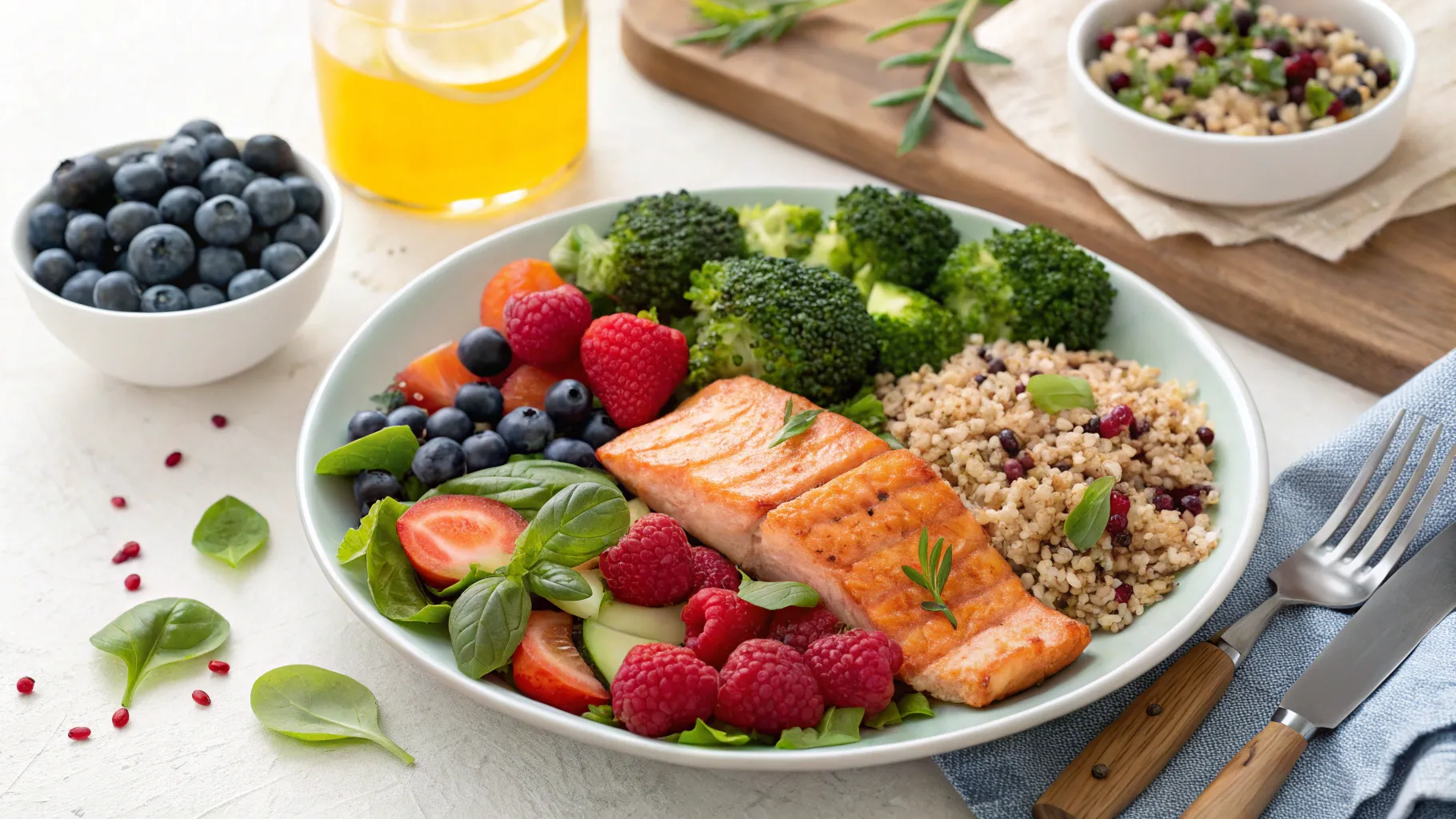
Best Foods to Eat for Fatty Liver Disease
Incorporating the right foods into your diet can make a remarkable difference in managing fatty liver disease. Here’s a list of the best foods you should consider:
- Fruits and Vegetables: Aim for a rainbow of options. Leafy greens like spinach and kale, cruciferous vegetables such as broccoli and Brussels sprouts, and fruits like berries and oranges are packed with antioxidants and fiber.
- Whole Grains: Switch refined grains for whole grains like brown rice, oatmeal, and quinoa. These provide essential nutrients and help regulate blood sugar levels.
- Healthy Fats: Incorporate sources of omega-3 fatty acids such as fatty fish (salmon, sardines), avocados, and nuts like walnuts. They reduce inflammation and improve liver function.
- Lean Proteins: Opt for lean meats, chicken, turkey, and plant-based proteins like legumes and tofu. These proteins help repair cells and support overall health.
- Low-fat Dairy: Choose low-fat options or alternatives from almond or soy milk. Dairy contains calcium and protein while reducing the intake of saturated fats.
Sample Fatty Liver Diet Plan
Creating a structured meal plan is an effective way to support liver health. Here’s a sample fatty liver diet plan to guide you:
- Breakfast: Overnight oats made with rolled oats, almond milk, topped with fresh berries, a tablespoon of chia seeds, and a sprinkle of cinnamon.
- Mid-Morning Snack: A small handful of mixed nuts (almonds, walnuts) or a piece of fruit like an apple.
- Lunch: Grilled chicken salad with mixed greens, cherry tomatoes, cucumber, avocado, drizzled with balsamic vinegar.
- Afternoon Snack: Greek yogurt with a tablespoon of honey and slices of banana.
- Dinner: Baked salmon with a side of quinoa and steamed broccoli. A drizzle of olive oil and lemon can enhance the flavor.
- Evening Snack: Carrot sticks or a small serving of hummus for a healthy dip.
Interestingly, studies show that individuals following structured meal plans for fatty liver have reported improved liver enzyme levels within six months. This demonstrates the power of nutrition in supporting liver health.
Foods to Avoid with Fatty Liver
What you don’t eat is just as crucial as what you do consume. Here are some foods to avoid that can exacerbate fatty liver disease:
- Sugary Foods and Beverages: Limit sodas, candies, and desserts high in sugar. These can increase fat buildup in the liver.
- Refined Carbohydrates: White bread, pastries, and other processed carbohydrates can contribute to liver fat accumulation.
- Saturated Fats: Avoid fatty cuts of meat, full-fat dairy products, and fried foods. Instead, focus on healthier fats.
- Alcohol: Excessive alcohol consumption can severely harm the liver, worsening fatty liver conditions.
- Processed Foods: Foods high in preservatives and artificial ingredients should be minimized. Opt for fresh, whole foods whenever possible.
Real-world case studies indicate that patients who successfully reduced or eliminated these foods from their diet saw significant improvements in liver function and overall well-being.
How Nutrition Supports Fatty Liver Recovery
Proper nutrition plays a vital role in recovery from fatty liver disease. Research conducted in the last six months has shown that maintaining a balanced diet can help:
- Reduce Liver Fat: Choosing nutrient-dense foods helps lower liver fat content significantly.
- Improve Insulin Sensitivity: Healthy eating patterns can enhance insulin sensitivity, reducing the risk of type 2 diabetes often associated with fatty liver.
- Decrease Inflammation: Foods rich in antioxidants help lower inflammation in the liver, promoting better function and recovery.
- Support Weight Management: A balanced meal plan supports healthy weight loss, crucial for reversing fatty liver disease.
- Enhance Overall Well-being: A nutritious diet not only aids liver recovery but also improves energy levels and mood.
Lifestyle changes are equally important for liver health. Regular physical activity, maintaining a healthy weight, and managing stress are integral to improving liver function. Engaging in at least 150 minutes of moderate exercise weekly can complement your dietary efforts effectively.
In summary, managing fatty liver disease requires a comprehensive approach that includes a well-structured meal plan centered around nutrient-rich foods, along with lifestyle modifications. Empower yourself with knowledge about the best foods to eat, the ones to avoid, and how nutrition plays a powerful role in your recovery journey. Start making informed choices today to improve your liver health and enhance your quality of life.
By focusing on these guidelines, you're taking essential steps towards reversing fatty liver disease and ensuring your liver remains healthy for years to come.
Authored by FreshLifeWire team