Meal Plans for Fatty Liver Foods to Eat and Avoid
Meal Plans for People with Fatty Liver
Living with fatty liver disease doesn’t have to be overwhelming. With a well-structured meal plan, you can not only manage the condition but even improve your liver health significantly. This article outlines the best foods to eat for fatty liver disease, provides diet guidelines for liver health, and offers a sample fatty liver diet plan that you can easily adapt to your lifestyle. Moreover, we will discuss foods to avoid with fatty liver and how nutrition supports fatty liver recovery.
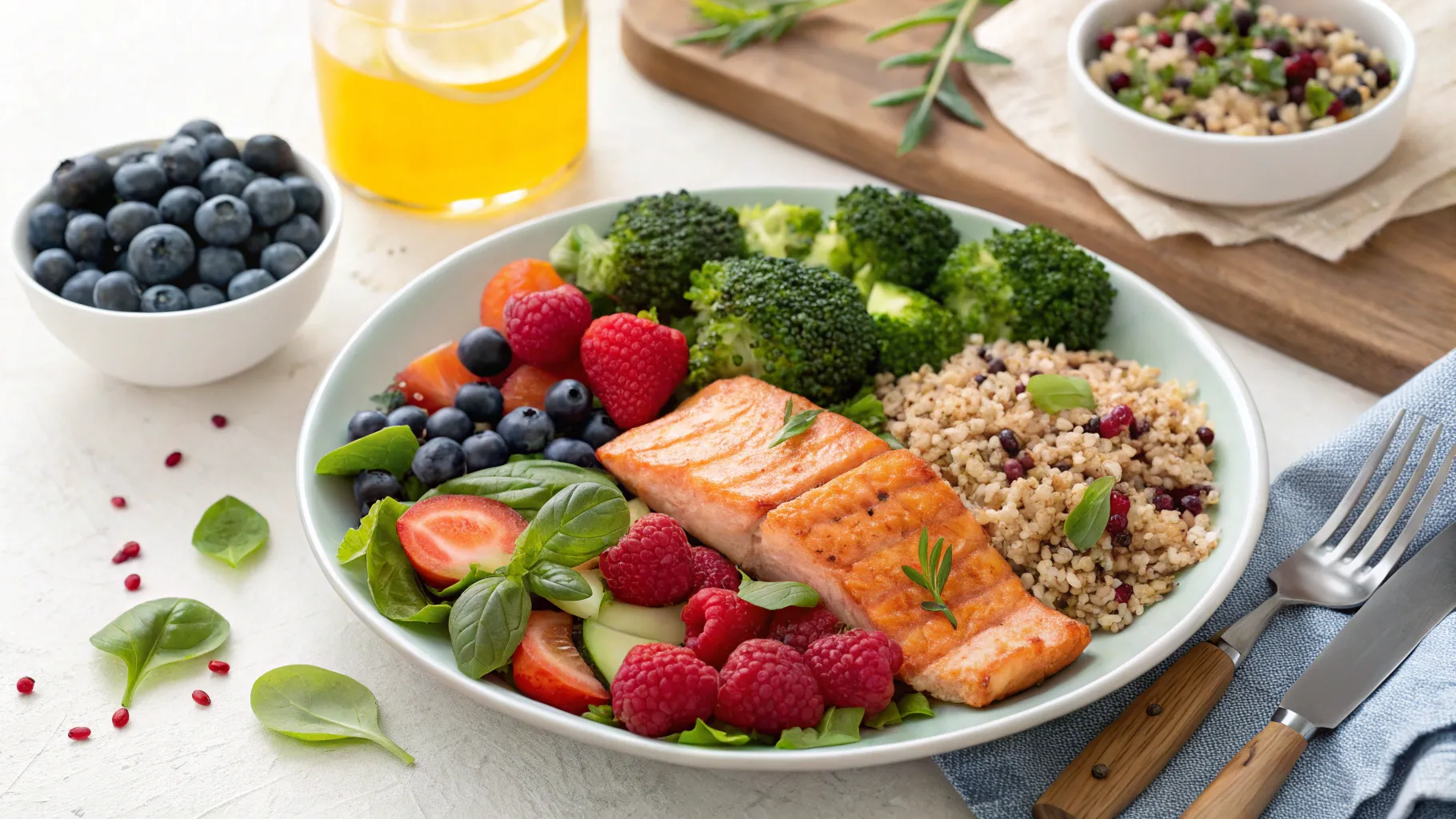
Best Foods to Eat for Fatty Liver Disease
When it comes to healing the liver, the right nutrition plays a crucial role. Here are some of the best foods to incorporate into your diet:
- Fruits and Vegetables: Aim for a rainbow of colors. Leafy greens, berries, and citrus fruits are packed with antioxidants that can help reduce liver inflammation.
- Whole Grains: Foods like oats, brown rice, and quinoa are excellent sources of fiber, which can help improve your gut health and support liver functionality.
- Healthy Fats: Avocados, nuts, and olive oil are rich in healthy fats that can lower liver fat buildup.
- Lean Proteins: Foods such as chicken, fish, and legumes provide the essential nutrients needed to repair body tissues, including the liver.
- Legumes: Beans, lentils, and chickpeas are great sources of protein and fiber supporting metabolic health.
According to recent studies, incorporating specific fruits like grapes and citrus can actually help reduce liver fat and improve liver function. Regular consumption of these beneficial foods contributes to a protective effect against fatty liver disease.
Diet Guidelines for Liver Health
Maintaining liver health involves more than just incorporating healthful foods. Here are some critical diet guidelines for individuals with fatty liver:
- Avoid high-calorie meals and snacks that promote weight gain, since obesity is a significant risk factor for fatty liver disease.
- Reduce sugar intake, particularly beverages high in fructose, such as soda and sweetened juices. Excess sugar can lead to fat accumulation in the liver.
- Limit the intake of saturated fats found in fast food and red meat. Instead, opt for leaner cuts and plant-based proteins.
- Avoid processed foods that contain trans fats, which can harm your liver health. Always check food labels for hidden trans fats.
- Stay hydrated by drinking plenty of water. Adequate hydration supports liver detoxification and enhances overall metabolic processes.
In 2023, nearly 30% of Americans were estimated to suffer from some form of liver disease, making awareness of diet and lifestyle choices more critical than ever.
Sample Fatty Liver Diet Plan
Here’s a comprehensive sample fatty liver diet plan for a week:
- Day 1: Breakfast: Oatmeal topped with blueberries; Lunch: Grilled chicken salad with avocado and mixed greens; Dinner: Baked salmon with quinoa and steamed broccoli.
- Day 2: Breakfast: Greek yogurt with chia seeds and strawberries; Lunch: Lentil soup with a side of whole-grain bread; Dinner: Stir-fried tofu with mixed vegetables and brown rice.
- Day 3: Breakfast: Smoothie with spinach, banana, and almond milk; Lunch: Quinoa salad with chickpeas, cucumber, and parsley; Dinner: Grilled shrimp served with sautéed zucchini and quinoa.
- Day 4: Breakfast: Whole-grain toast with mashed avocado and a poached egg; Lunch: Spinach and feta stuffed bell peppers; Dinner: Baked cod with asparagus and sweet potato.
- Day 5: Breakfast: Cottage cheese with pineapple; Lunch: Brown rice sushi with a side salad; Dinner: Turkey or black bean chili with a variety of beans.
- Day 6: Breakfast: Smoothie bowl with granola and sliced banana; Lunch: Grilled vegetable wrap made with whole-grain tortilla; Dinner: Stuffed acorn squash with quinoa and walnuts.
- Day 7: Breakfast: Chia seed pudding topped with almonds and raspberries; Lunch: Baked sweet potato with black beans and salsa; Dinner: Roast chicken with cauliflower mash and green beans.
This sample diet plan not only embraces liver-friendly foods but also adds variety to your meals, making healthy eating enjoyable.
Foods to Avoid with Fatty Liver
To maximize your recovery, it’s essential to avoid certain foods that can exacerbate fatty liver disease. Some of the key offenders include:
- Sugary Foods: Limit your intake of cakes, cookies, and candies that are laden with sugar. These can contribute to fat buildup.
- Alcohol: Alcohol consumption is one of the primary culprits in liver damage; avoiding it completely is advisable.
- Fried Foods: Foods fried in unhealthy oils can lead to increased fat accumulation in the liver.
- Refined Carbohydrates: White bread, pastries, and white rice lack essential nutrients and fiber, and can promote fat storage.
Recent data from health surveys indicate that minimizing these foods results in better liver functionalities and improves overall health.
How Nutrition Supports Fatty Liver Recovery
Adopting the right nutrition not only supports recovery from fatty liver disease but also significantly enhances your overall health. Balanced meals fuel tissue repair, replenish energy reserves, and promote a healthy metabolism. Nutrients like omega-3 fatty acids can lower liver fat levels, while fiber promotes better digestion, which is vital for an optimal liver function. By focusing on wholesome foods and making informed dietary choices, individuals with fatty liver can greatly improve their outlook on health.
Moreover, adopting a lifestyle that includes regular physical activity alongside a nutritious diet amplifies the benefits. Simple changes – like taking daily walks or participating in yoga classes – can lead to a remarkable shift in your health and well-being.
Authored by FreshLifeWire team