Meal Plans and Diet Guidelines for Fatty Liver Recovery
Best Foods to Eat for Fatty Liver Disease
Managing fatty liver disease involves more than just medication; it requires a committed lifestyle change, particularly in dietary habits. The best foods to eat for fatty liver disease emphasize a balanced intake of essential nutrients while minimizing unhealthy fats and added sugars. Key components of a fatty liver-friendly meal plan include:
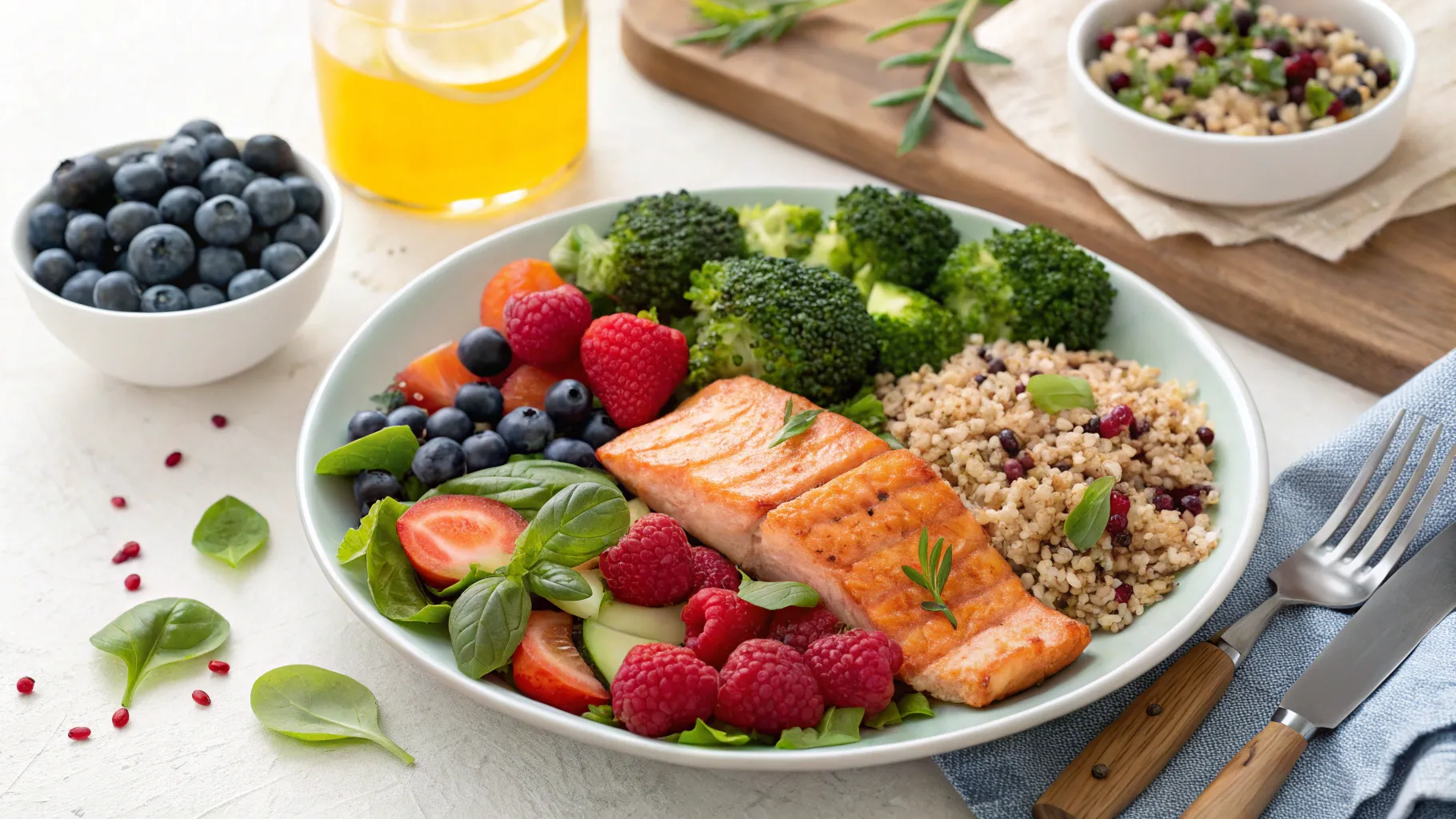
- Fruits and Vegetables: Fresh, seasonal produce is rich in antioxidants and fiber. Berries, oranges, carrots, and leafy greens support liver detoxification and provide necessary vitamins.
- Lean Proteins: Skinless poultry, fish, legumes, and beans are excellent sources of protein that can help repair liver cells without adding unhealthy fats.
- Whole Grains: Foods such as brown rice, quinoa, and whole grain bread supply essential nutrients and fiber. They stabilize blood sugar levels, which is important for maintaining liver health.
- Healthy Fats: Focus on unsaturated fats found in olive oil, avocados, and nuts. These fats can help reduce liver inflammation and improve overall liver function.
- Dairy Alternatives: If you choose dairy, opt for low-fat or fat-free varieties. Moreover, non-dairy sources such as almond or coconut milk can be beneficial and lower in saturated fats.
Diet Guidelines for Liver Health
In 2025, healthcare professionals emphasize the need for comprehensive diet guidelines for liver health. These recommendations not only help in managing fatty liver disease but also promote overall well-being. Here are some crucial guidelines:
- Limit Added Sugars: Excessive sugar intake can lead to fat accumulation in the liver. Aim to minimize sugar-sweetened beverages, desserts, and processed snacks.
- Choose Low-Glycemic Foods: Foods that have a low glycemic index help maintain stable blood sugar levels, reducing strain on the liver. Include more whole grains, legumes, and non-starchy vegetables.
- Stay Hydrated: Drinking plenty of water aids digestion and liver function. Aim for at least 8 glasses of water daily, and incorporate herbal teas without added sugars.
- Moderation in Alcohol Consumption: If you have fatty liver disease, limiting or avoiding alcohol is critical. This can significantly prevent further liver damage.
- Balanced Meal Timing: Eating regular meals throughout the day, spaced out every 3-4 hours, helps maintain energy levels and prevent overeating.
Sample Fatty Liver Diet Plan
Creating a meal plan can simplify decisions about what to eat daily. Here's a sample fatty liver diet plan that takes into account the guidelines mentioned:
- Breakfast: Smoothie made with spinach, banana, a tablespoon of almond butter, and almond milk; served with a slice of whole-grain toast.
- Mid-Morning Snack: A small bowl of mixed berries or an apple with a handful of walnuts.
- Lunch: Grilled chicken salad with a variety of colorful vegetables, adrift in olive oil and lemon dressing.
- Afternoon Snack: Carrot sticks with hummus.
- Dinner: Baked salmon with quinoa and steamed broccoli, plus a side of avocado slices.
- Evening Snack: A cup of herbal tea with a piece of dark chocolate (70% cocoa or higher).
Foods to Avoid with Fatty Liver
When managing fatty liver disease, it's vital to know which foods to avoid. By steering clear of the following:
- Saturated Fats: Found in red meat, full-fat dairy products, and processed snacks; these can worsen liver inflammation.
- Trans Fats: Present in fried foods and many baked goods. These are among the unhealthiest fats and contribute significantly to liver fat accumulation.
- High-Sugar Foods: Sodas, candy, and desserts can lead to insulin resistance and liver issues.
- Highly Processed Foods: Fast food and ready-made meals often contain unhealthy additives and preservatives that negatively impact liver health.
How Nutrition Supports Fatty Liver Recovery
Nutrition plays a pivotal role in supporting fatty liver recovery. A study published in 2024 highlighted that dietary changes led to a significant reduction in liver fat among individuals diagnosed with fatty liver disease. This underscores the importance of suitable nutrition. Specific nutrients like omega-3 fatty acids, vitamin E, and polyphenols are particularly beneficial. Foods rich in these nutrients, such as fatty fish, nuts, olive oil, and green tea, can enhance liver function and regeneration.
Lifestyle Changes to Improve Liver Function
In addition to following a tailored diet, integrating lifestyle changes can further promote liver function. Here are some effective strategies:
- Regular Exercise: Engage in moderate aerobic exercise like walking or cycling at least 150 minutes per week. This helps reduce liver fat and improves metabolism.
- Weight Management: Achieving or maintaining a healthy weight can significantly improve liver health. Even a 5-10% reduction in body weight can lead to improved liver function.
- Avoiding Toxins: Limit exposure to environmental pollutants and chemicals. This includes reducing exposure to household cleaners laden with harsh substances prepared with caution.
- Enhancing Sleep Quality: Prioritize good sleep hygiene to support liver repair processes that primarily occur during sleep cycles.
In summary, adopting a healthy dietary regimen along with proactive lifestyle changes is essential for anyone dealing with fatty liver disease. By focusing on nutrient-rich foods, avoiding harmful substances, and incorporating regular physical activity, individuals can enjoy sustained improvements in liver function and overall health.
Authored by FreshLifeWire team