Mastering Hydraulic Excavators for Modern Construction
Exploring the Modern Hydraulic Excavator
As we navigate the complexities of 2025, hydraulic excavators continue to play an instrumental role in shaping our infrastructure. These technological marvels offer a blend of might and precision, catering to the inexhaustible demands of modern construction. From towering skyscrapers in bustling cities to expansive highway networks, these machines redefine the meaning of "construction efficiency." At the core of their dominance is an elaborate hydraulic system that sets the benchmark for others in the industry.
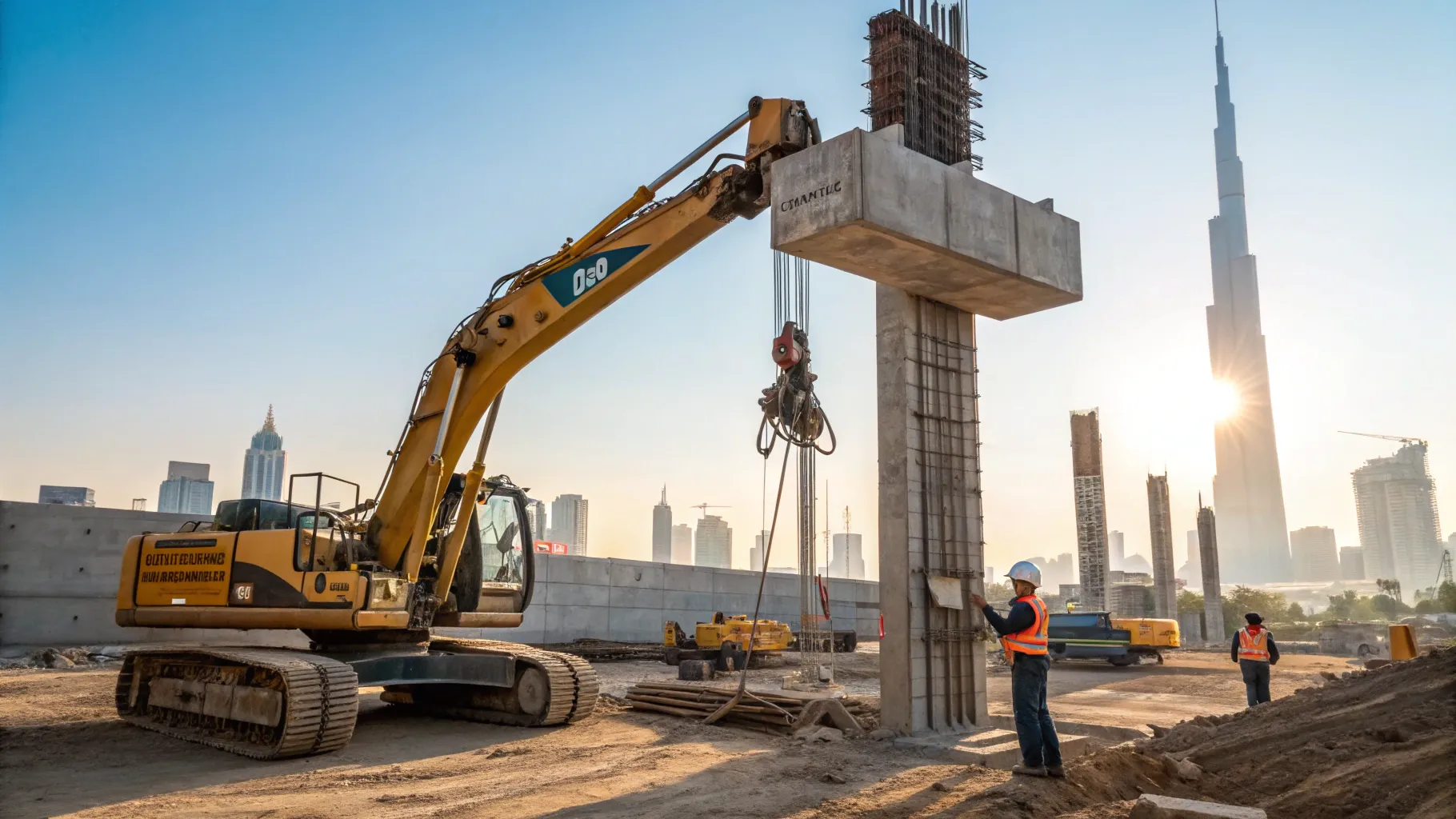
Today's Heavy-Duty Excavators: Anatomy and Functionality
Hydraulic excavators owe their formidable reputation to the precise engineering embedded within. Like a well-orchestrated symphony, the components of these machines harmonize to deliver unmatched power and accuracy. At the heart of these behemoths are three pivotal elements—pumps, valves, and actuators—that work in synchrony to provide the necessary movement and force required on construction sites.
These sophisticated machines have become synonymous with versatility and efficiency. From digging deep foundations to breaking through concrete, the machine's capability is driven by its complex hydraulic system, which is analogous to the circulatory system in the human body. Just as blood pumps through veins and arteries, hydraulic fluid moves through the hoses and cylinders of the machine, enabling a range of powerful actions.
The Key Components: Powering Progress
Today's hydraulic excavators are powered by innovative components that facilitate their wide array of functions:
- Hydraulic Pumps: These act as the heart of the system, converting mechanical energy into hydraulic power, vital for all other operations.
- Valves: Directing the flow of the hydraulic fluid, these components allow for precision movements, akin to a musician controlling the dynamics of their performance.
- Actuators: Through cylinders and motors, these drive the movement we see on the field, enabling the lifting, turning, and digging operations with ease.
Recent Advancements and Their Eco-Friendly Impact
The past five years have seen groundbreaking advancements in hydraulic systems, aligning them closely with environmental sustainability targets. Engineers have embraced solutions like digital pressure controls and smart operation systems that not only enhance productivity but also significantly reduce carbon footprints.
For instance, the integration of energy recovery systems similar to those found in hybrid automobiles has become a standard. These systems work by capturing energy from the braking action, which is then reused, subsequently lowering fuel consumption and emissions. The construction industry now follows in the footsteps of sectors like automotive, prioritizing efficiency without compromise on environmental impact.
Mastery in Operating Hydraulic Excavators: Skills and Safety
Navigating these sophisticated machines requires not just courage but an informed approach. Operators undergo rigorous training and must have a solid grasp of the complex hydraulic systems that underpin these vehicles, ensuring optimal performance and job safety at every stage.
Pre-operation checks are more crucial than ever. They act as a blueprint for successful operation, allowing operators to verify fluid levels, mechanical integrity, and secure attachment of tools and components. This proactive approach can prevent expensive operational downtimes and safeguard both operator and machine.
Rising to the Challenge: The Operator's Expertise
Operating these giants with precision can be likened to piloting an aircraft; it's an art that requires dedication and continuous learning. Operators perfect their skills by starting with fundamental machine maneuvers and gradually moving to more complex operations as they grow in experience.
Awareness of the varied ground conditions is also key to effective machine use. Depending on whether the terrain is rocky, sandy, or clay-based, operators adjust their techniques accordingly to ensure both efficiency and safety.
The current emphasis on a culture of safety is vital. Ensuring adherence to protocols and keeping abreast of the latest industry guidelines not only maximizes productivity but also ensures the well-being of everyone on site.
The evolution of hydraulic excavators is an ongoing narrative of innovation, reliant on continuous improvements in technology and methodology. These machines, an embodiment of modern engineering excellence, carry the potential to revolutionize the world of construction as we move through the year 2025 and beyond.
Authored by FreshLifeWire team