Mastering the Anti-Inflammatory Diet: Basics, Foods, and Lasting Health
Facts:
- Chronic inflammation impacts millions globally.
- Demand for natural anti-inflammatory solutions is rising for proactive health management.
Understanding the Fundamentals of an Anti-Inflammatory Lifestyle
In the pursuit of optimal health and chronic disease prevention, the anti-inflammatory diet has emerged as a powerful dietary approach. This eating pattern focuses on consuming foods that actively reduce inflammation in the body while avoiding those known to exacerbate it. For many, understanding the anti-inflammatory diet basics is the first crucial step towards alleviating symptoms associated with inflammatory conditions and enhancing overall vitality.
The Core Principles of an Anti-Inflammatory Diet
Embarking on an anti-inflammatory diet involves a fundamental shift in dietary choices, prioritizing nutrient-dense foods rich in antioxidants, omega-3 fatty acids, and fiber. The goal is to counteract systemic inflammation, which is often linked to conditions like heart disease, diabetes, arthritis, and certain cancers. Adhering to what is included in anti-inflammatory diet guidelines means emphasizing whole, unprocessed foods and minimizing inflammatory triggers like processed sugars, refined grains, and unhealthy fats.
Essential Anti-Inflammatory Foods List
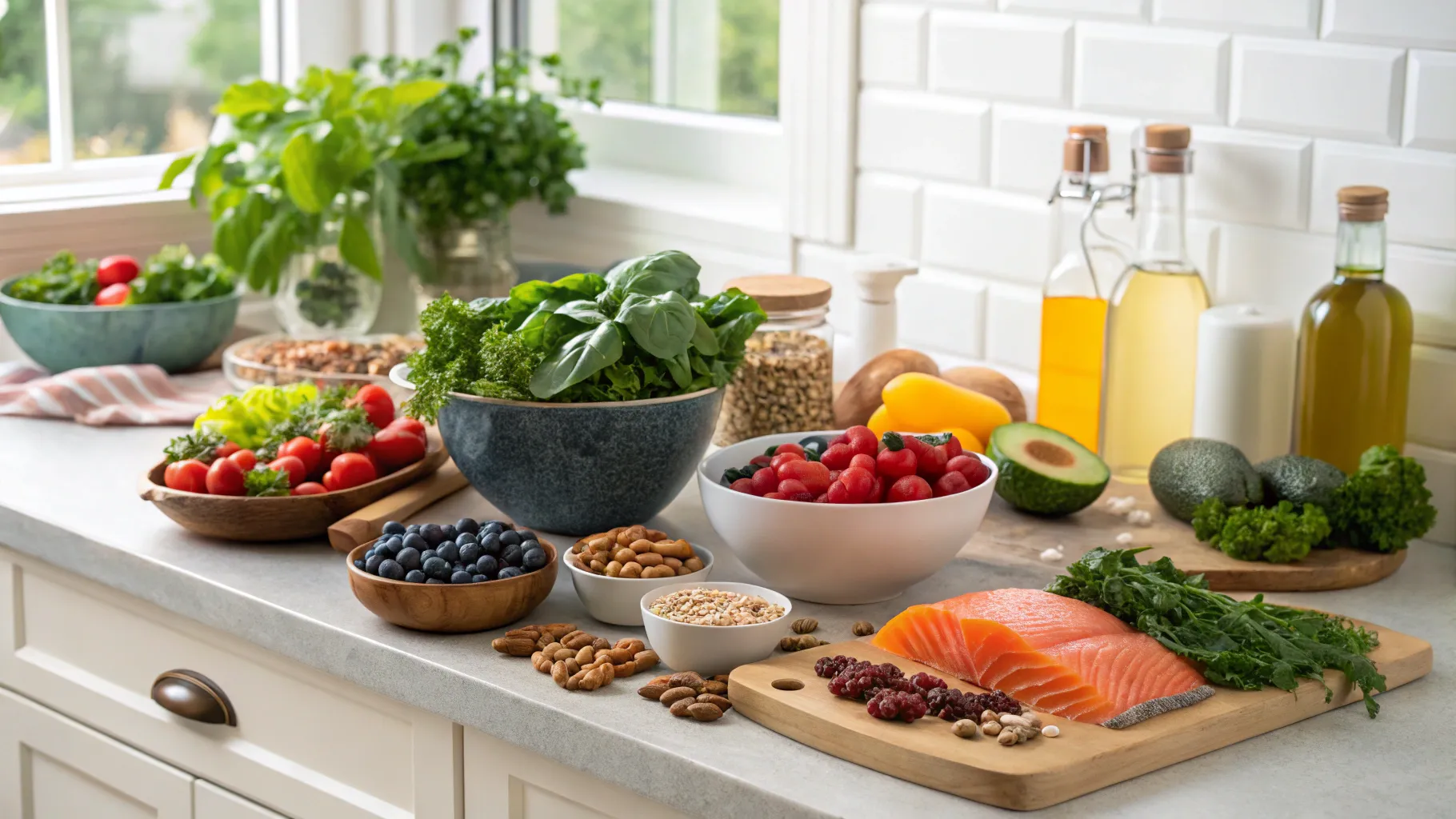
A cornerstone of this dietary approach is a diverse and colorful selection of natural foods. Knowing the key anti inflammatory foods list is crucial for successful implementation. These foods provide the necessary compounds to combat inflammation and support bodily functions:
Fruits and Vegetables
Berries (strawberries, blueberries, raspberries), cherries, oranges, and leafy green vegetables such as spinach, kale, and collard greens are packed with antioxidants and phytochemicals. These compounds neutralize free radicals and reduce oxidative stress, a major contributor to inflammation. Aim for a wide variety of colors to ensure a broad spectrum of nutrients.
Omega-3 Rich Fish
Fatty fish like salmon, mackerel, tuna, and sardines are excellent sources of omega-3 fatty acids, particularly EPA and DHA. These essential fats are potent anti-inflammatory agents that can significantly reduce chronic inflammation throughout the body. Regular consumption, ideally two to three times per week, is recommended.
Nuts and Seeds
Almonds, walnuts, chia seeds, flax seeds, and hemp seeds offer healthy fats, fiber, and protein. Walnuts, in particular, are rich in alpha-linolenic acid (ALA), another type of omega-3 fatty acid. These ingredients contribute to satiety and provide crucial micronutrients.
Healthy Oils
Extra virgin olive oil is a staple of the Mediterranean anti-inflammatory diet, containing oleocanthal, a compound with anti-inflammatory properties similar to ibuprofen. Avocado oil is another good choice for its monounsaturated fats and antioxidants.
Spices and Herbs
Turmeric, ginger, garlic, and cinnamon are not just flavor enhancers; they possess powerful anti-inflammatory properties. Turmeric, for instance, contains curcumin, which has been extensively studied for its ability to block inflammatory pathways. Incorporating these into daily meals can amplify the diet's benefits.
Crafting Your Anti-Inflammatory Diet Meal Plan Structure
Developing a practical anti-inflammatory diet meal plan structure is essential for consistency and adherence. This framework helps ensure you're consuming a balanced array of anti-inflammatory foods throughout your day. A typical structure would involve:
- Breakfast: Focus on whole grains, fruits, and healthy fats. Examples include oatmeal with berries and nuts, or a green smoothie with spinach, flax seeds, and a plant-based protein.
- Lunch: Build around a lean protein source, plenty of non-starchy vegetables, and a healthy fat. A large salad with grilled salmon, avocado, and olive oil dressing is an excellent choice.
- Dinner: Incorporate similar components, perhaps a baked chicken breast with roasted vegetables and quinoa. The emphasis remains on whole, unprocessed ingredients.
- Snacks: Opt for fruits, a handful of nuts, or vegetable sticks with hummus to keep hunger at bay and maintain energy levels without resorting to inflammatory processed foods.
Considering anti-inflammatory diet ingredients and nutrition goes beyond just meal planning; it's about understanding the synergy between foods and how they contribute to overall well-being. Prioritizing foods rich in fiber supports gut health, which is intricately linked to systemic inflammation. Similarly, adequate intake of vitamins and minerals like Vitamin C, D, and magnesium plays a crucial role.
Timeline and Expected Results: Anti-Inflammatory Diet Duration and Results
Many individuals wonder about the anti-inflammatory diet duration and results timeline. The effects of an anti-inflammatory diet can vary significantly from person to person, depending on their initial health status, the severity of inflammation, and adherence to the dietary guidelines. Some people may notice subtle improvements in energy levels and reduced pain within a few weeks, while for others, more significant changes might take several months.
Consistency is key. Sustained adherence to anti-inflammatory diet guidelines over months can lead to measurable reductions in inflammatory markers in blood tests, improved digestive health, clearer skin, and enhanced mental clarity. It's often viewed as a long-term lifestyle change rather than a temporary diet, aiming for sustainable health benefits.
Enhancing Your Diet: Anti-Inflammatory Supplements and Dosage
While a whole-food anti-inflammatory diet is the primary strategy, certain supplements can complement your efforts, especially if there are specific nutrient deficiencies or a need for additional support. Common anti-inflammatory supplements and dosage considerations include:
- Omega-3 Fatty Acids: Fish oil supplements containing EPA and DHA are popular. Typical dosages range from 1,000 to 4,000 mg per day, but it's crucial to consult a healthcare professional for personalized recommendations.
- Curcumin: The active compound in turmeric, curcumin is often taken in supplement form for its potent anti-inflammatory effects. Dosages vary widely (e.g., 500-1,000 mg per day), and it's best to choose formulations with enhanced bioavailability.
- Vitamin D: Many people are deficient in Vitamin D, which plays a role in immune function and inflammation. Supplementation may be necessary, with dosages typically ranging from 1,000 to 5,000 IU daily, as determined by blood tests.
- Probiotics: Supporting gut health with probiotics can also aid in reducing systemic inflammation. A high-quality probiotic supplement can be beneficial, but again, consult a professional.
Always consult with a doctor or registered dietitian before starting any new supplements, particularly to discuss appropriate dosages and potential interactions.
Safety and Interactions: Anti-Inflammatory Diet Considerations
While the anti-inflammatory diet is generally considered safe and beneficial for most individuals, understanding anti-inflammatory diet safety and interactions is important, especially for those with existing health conditions or who are taking medications. The diet emphasizes whole, natural foods, which typically pose minimal risks.
However, individuals on blood thinners should be cautious with high intakes of omega-3 supplements or certain spices like ginger and turmeric, which can also have anticoagulant effects. Those with specific allergies or intolerances (e.g., to nuts or fish) will need to adapt the diet to their needs. Pregnant or breastfeeding women, and individuals with chronic diseases, should always consult their healthcare provider before making significant dietary changes.
Frequently Asked Questions
Can an anti-inflammatory diet cure chronic diseases?
While an anti-inflammatory diet can significantly help manage symptoms and reduce the risk of many chronic diseases by mitigating inflammation, it is not a cure. It should be seen as a powerful therapeutic strategy that complements conventional medical treatments.
Is the anti-inflammatory diet suitable for weight loss?
Yes, many people experience weight loss on an anti-inflammatory diet because it naturally encourages the consumption of whole, unprocessed foods, which are typically lower in calories and higher in fiber and nutrients compared to inflammatory processed foods. This promotes satiety and can lead to a calorie deficit.
How quickly will I see results from an anti-inflammatory diet?
The timeline for seeing results can vary. Some individuals report feeling better within a few weeks, noticing improved energy, digestion, and reduced pain. More significant, measurable changes in inflammatory markers might take several months of consistent adherence. It's a long-term approach to health.
References
- Harvard Health Publishing. "Foods that fight inflammation."
- Cleveland Clinic. "What is an Anti-Inflammatory Diet?"
- Arthritis Foundation. "Best Foods for Fighting Inflammation."
- Journal of Medicinal Food. "Anti-inflammatory and Immunomodulatory Effects of Omega-3 Fatty Acids."
- Critical Reviews in Food Science and Nutrition. "Curcumin: A Review of Its Effects on Human Health."
Authored by FreshLifeWire team