Main Symptoms of Thyroid Problems: A Comprehensive Guide to Recognition
Facts:
- Over 12% of the US population will develop a thyroid condition.
- Women are five to eight times more likely to have thyroid problems.
Decoding Your Body's Signals: Key Thyroid Problem Symptoms
The thyroid, a small butterfly-shaped gland in your neck, plays a monumental role in your body's overall function, regulating everything from your heart rate to your metabolism. When it produces too much or too little hormone, the ripple effects can be felt throughout your entire system, leading to a wide array of thyroid problem symptoms. Recognizing these signs early is crucial for seeking timely diagnosis and treatment. Many people dismiss these indicators as normal stress or aging, but understanding the pattern of these hormone imbalance signs is the first step toward regaining your health and vitality.
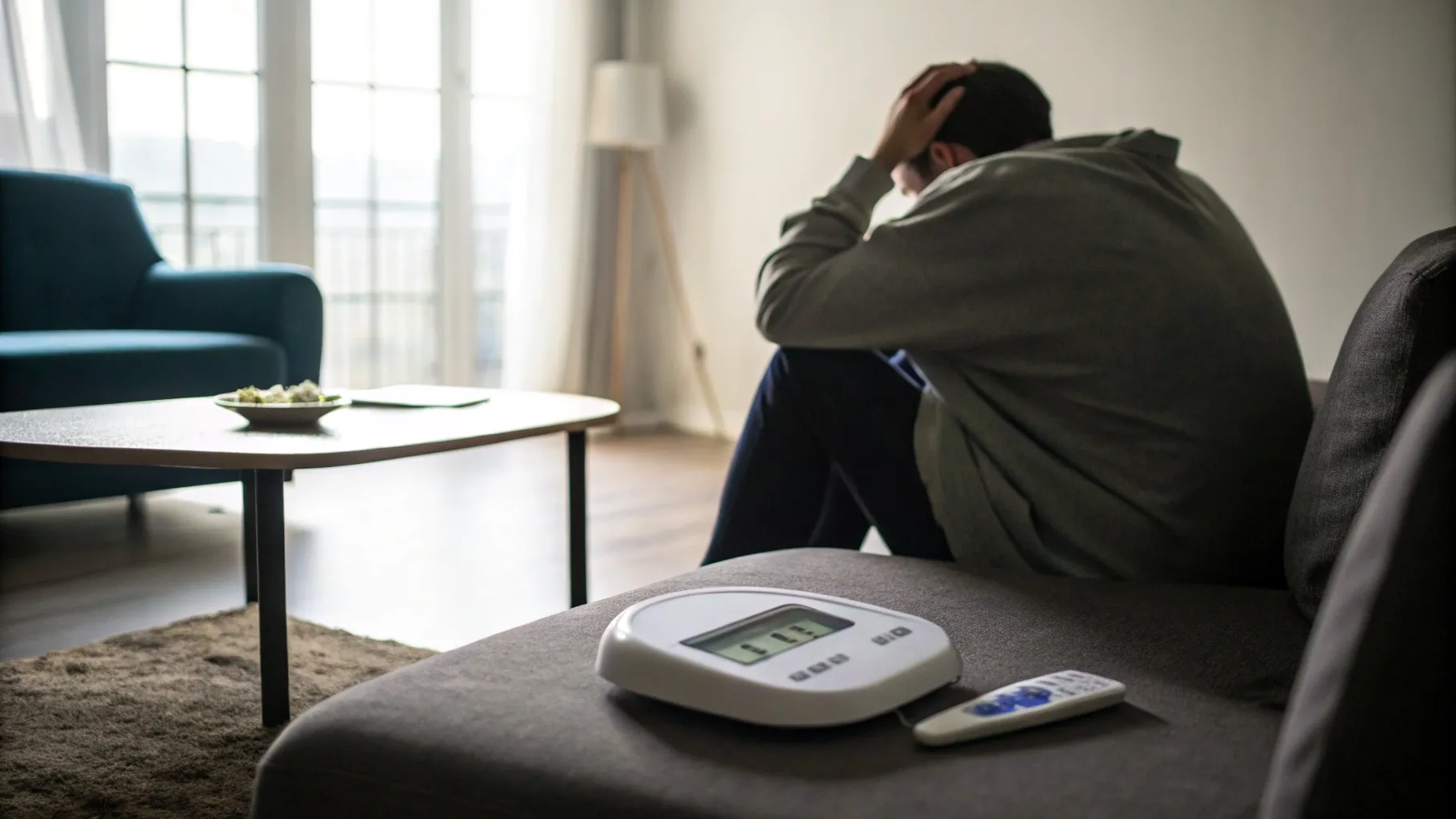
Unexplained Fatigue and Weight Changes: The Core Indicators
Among the most frequently reported symptoms are persistent fatigue and weight changes. If you feel exhausted even after a full night's sleep, it could be a sign of hypothyroidism (an underactive thyroid), where your body's processes slow down. Conversely, hyperthyroidism (an overactive thyroid) can cause insomnia and a feeling of being 'wired' yet tired. Similarly, unexplained weight fluctuations are classic common thyroid indicators. Hypothyroidism often leads to weight gain despite no changes in diet or exercise, as your metabolism slows. Hyperthyroidism, on the other hand, can cause sudden weight loss as your metabolism goes into overdrive. These metabolism related changes are often the most noticeable signs that something is amiss.
Metabolism Related Changes and Temperature Sensitivity
Your thyroid is your body's internal thermostat, and disruptions can lead to significant issues with temperature regulation. These metabolism related changes directly impact how your body produces and uses energy. A person with hypothyroidism might feel constantly cold, even in warm environments, because their body isn't generating enough heat. For those with hyperthyroidism, the opposite is true; they often feel overly warm and may sweat excessively. These sensitivities are significant hormone imbalance signs that should not be ignored. Paying attention to how your body responds to ambient temperatures can provide valuable clues about your thyroid health.
Physical Signs: Hair, Skin, and Neck Changes
The health of your hair, skin, and nails is often a direct reflection of your hormonal balance. With hypothyroidism, you might notice your skin becoming dry and pale, your nails becoming brittle, and significant hair loss or thinning. These are distressing thyroid problem symptoms. In contrast, hyperthyroidism can cause skin to become thin and fragile or unusually smooth, and may also lead to hair loss. Another one of the most specific common thyroid indicators is a visible swelling at the base of the neck, known as a goiter. This can occur with both underactive and overactive thyroid conditions and may cause a feeling of tightness in the throat or difficulty swallowing.
Emotional and Cognitive Hormone Imbalance Signs
The impact of a thyroid disorder extends beyond the physical. Significant mood changes are common hormone imbalance signs. Hypothyroidism is often linked to depression, lethargy, and problems with memory or concentration, often described as 'brain fog'. Hyperthyroidism can manifest as anxiety, nervousness, irritability, and racing thoughts. These psychological and cognitive shifts can be profoundly disruptive to daily life. Recognizing that these emotional struggles could be rooted in a physical condition is vital, as they are key thyroid problem symptoms that warrant a medical evaluation.
Actionable Steps: When to Seek Medical Advice
If you recognize several of the symptoms discussed, it is important to consult a healthcare professional. Keeping a journal of your symptoms can be helpful. Here are some steps to take:
- Document Your Symptoms: Keep a detailed log of your symptoms, including their frequency and severity. Note any instances of fatigue and weight changes, mood swings, or temperature sensitivity.
- Consult Your Doctor: Schedule an appointment and share your log. Be specific about the common thyroid indicators you've observed. Your doctor can perform a physical exam and order simple blood tests to check your thyroid hormone levels.
- Discuss Family History: Thyroid conditions can run in families. Inform your doctor if any close relatives have been diagnosed with a thyroid disorder, as this increases your risk.
- Be Proactive: Do not dismiss persistent symptoms. Early diagnosis and management of thyroid problems can prevent more serious health complications down the line and significantly improve your quality of life.
Frequently Asked Questions
What are the first signs of thyroid problem symptoms?
The earliest thyroid problem symptoms are often subtle and can be easily overlooked. They typically include persistent fatigue that isn't relieved by rest and unexplained fatigue and weight changes. You might also notice changes in your mood or an unusual sensitivity to cold or heat.
Can stress cause hormone imbalance signs similar to a thyroid issue?
Yes, chronic stress can cause symptoms that overlap with thyroid disorders, such as fatigue, anxiety, and sleep disturbances. However, thyroid-specific indicators like a goiter, significant hair loss, or drastic metabolism related changes are less common with stress alone. A blood test is the only definitive way to distinguish between them.
Are there specific common thyroid indicators for women?
While many symptoms are the same for everyone, women may experience additional signs related to their menstrual cycle. Irregular, heavier, or lighter periods can be prominent hormone imbalance signs linked to thyroid dysfunction. Thyroid problems can also impact fertility and cause complications during pregnancy.
References
- American Thyroid Association (ATA)
- National Institute of Diabetes and Digestive and Kidney Diseases (NIDDK)
- Endocrine Society
- British Thyroid Foundation
Authored by FreshLifeWire team