Main Symptoms of Nasal Polyps in Adults and Risk Factors
Nasal Polyps in Adults Understanding the Symptoms
Nasal polyps are soft, noncancerous growths that develop on the lining of the nasal passages or sinuses, primarily affecting adults. Though benign, these growths can significantly impact quality of life, causing discomfort and health complications. Awareness of the symptoms associated with nasal polyps is essential, especially since they can mimic other conditions like allergies or sinus infections. This article delves into the main symptoms of nasal polyps, their causes, and when it's necessary to seek medical assistance.
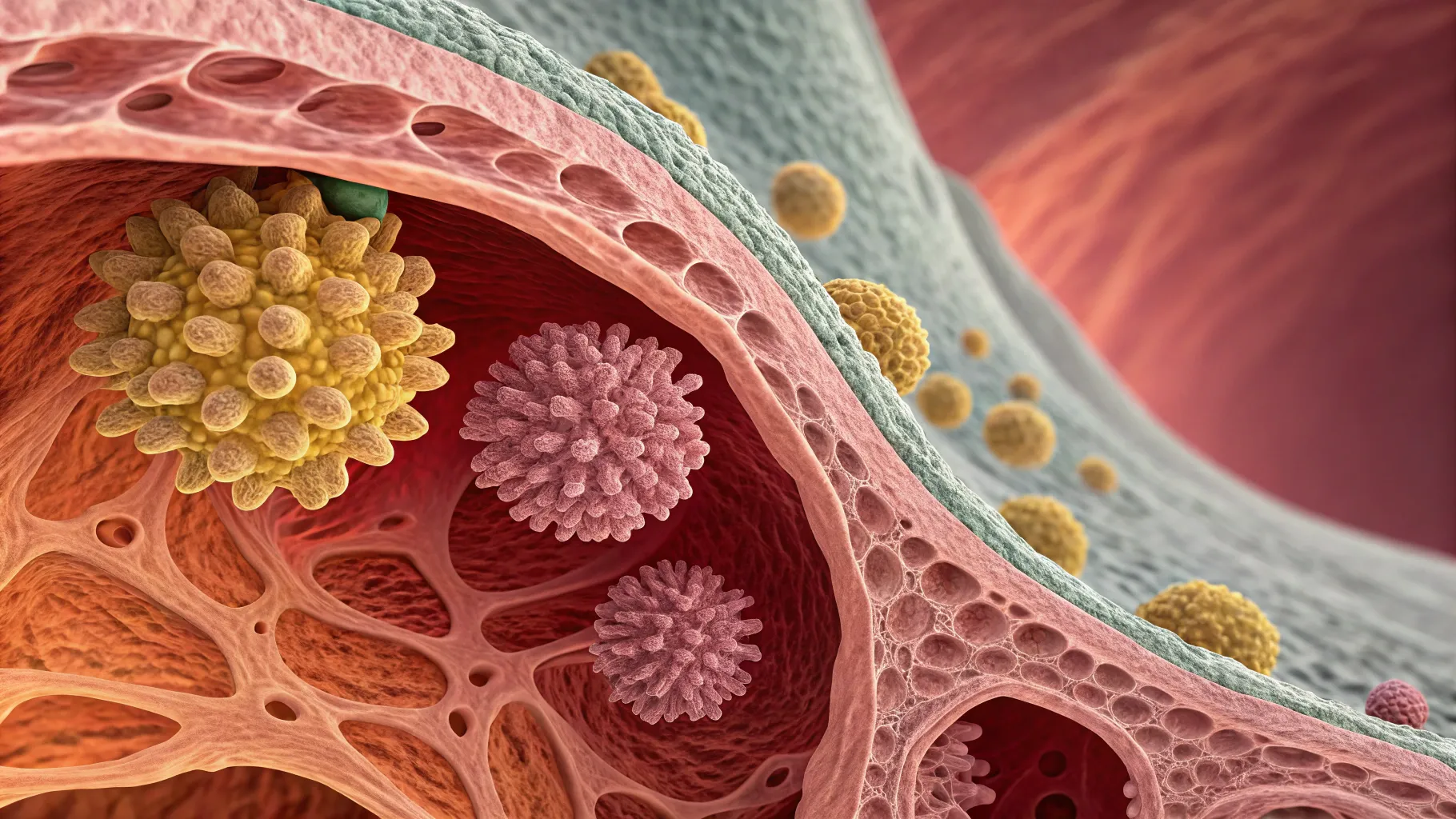
Main Symptoms of Nasal Polyps
Identifying nasal polyps early on can greatly improve management and treatment outcomes. Below are the primary symptoms that adults may encounter:
- Chronic Nasal Congestion: Persistent stuffiness and difficulty breathing through the nose are hallmark signs of nasal polyps. Many adults mistake this for a common cold or allergies, often leading to delays in seeking help.
- Reduced Sense of Smell: Known as hyposmia, a diminished ability to smell often accompanies nasal polyps. In some situations, larger polyps can severely impair the sense of smell, affecting overall enjoyment of food and daily experiences.
- Postnasal Drip: This occurs when mucus accumulates and drips down the throat from the back of the nasal passages, leading to an annoying, uncomfortable sensation that can often cause a sore throat and coughing.
- Sinus Pressure: Individuals may feel pressure and discomfort in the facial area, particularly around the forehead, cheeks, and behind the eyes. This symptom can be mistaken for sinusitis but typically persists without significant relief.
- Frequent Nosebleeds: Having recurrent nosebleeds can be distressing and is often linked to the inflammation of nasal tissues caused by polyps. In particularly severe cases, this may result in bleeding that is difficult to control.
Understanding the Causes and Risk Factors of Nasal Polyps
The development of nasal polyps is closely associated with chronic inflammation within the nasal and sinus passages. Understanding the contributing factors can help in prevention and management. Here are some common causes and risk factors:
- Allergic Rhinitis: Individuals suffering from allergies face an increased risk of nasal polyps. The inflammation and irritation caused by allergens, such as pollen or dust mites, may prime the nasal passages for polyp formation.
- Asthma: A significant percentage of asthma patients—around 30%—are also likely to develop nasal polyps. The interplay between asthma and nasal inflammation intensifies the risk.
- Cystic Fibrosis: A genetic disorder that leads to the buildup of thick mucus can result in recurring sinus infections, which are often a precursor to the development of nasal polyps.
- Churg-Strauss Syndrome: This relatively rare autoimmune condition causing inflammation of blood vessels has been linked to increased polyp formation.
- Family History: Genetics plays a vital role, with a family history of nasal polyps significantly increasing one’s susceptibility.
How Nasal Polyps Develop and the Importance of Early Recognition
Nasal polyps generally arise from the chronic inflammation endemic in various allergic and asthmatic conditions. Through continual irritation, the nasal lining swells, producing excess mucus and eventually forming polyps. Interestingly, statistics show that nasal polyps affect approximately 4% of adults globally, highlighting the necessity for early recognition of symptoms and effective management. Smaller polyps often present minimal issues, while larger growths can lead to severe nasal obstruction and a range of debilitating symptoms.
The significant link between chronic inflammation and polyp formation underscores the need to manage underlying conditions effectively. Strategies to minimize inflammation are crucial; medications such as corticosteroids can alleviate symptoms, and lifestyle changes to address allergies can lessen the risk of polyp development. For instance, utilizing air purifiers to cut down allergens in homes can lead to notable improvements.
A recent study published in the Journal of Allergy and Clinical Immunology indicates that patients who proactively manage allergies and asthma through medication adherence experience a marked decrease in polyp frequency.
When to Seek Medical Attention for Nasal Polyps
If you notice symptoms of nasal polyps that affect your daily life, it is crucial to consult a healthcare professional. It’s especially important to seek medical help if:
- Your nasal congestion lingers for several weeks without improvement.
- You experience a significant loss of smell or taste that affects your quality of life.
- Your symptoms include facial pain, swelling, or fever, indicating a potential secondary infection.
- You have persistent headaches that do not respond to standard pain relief methods.
- Your nosebleeds are frequent or unusually severe.
These symptoms may indicate the need for further investigation to rule out more serious underlying conditions. Getting an accurate diagnosis through appropriate examinations can alleviate discomfort and lead to tailored treatment plans, potentially avoiding surgical interventions.
In most cases, simple management approaches are effective for nasal polyps. Corticosteroids remain the most common treatment, helping reduce inflammation and polyp size. However, if resistance to standard treatments is observed or if polyps obstruct airflow significantly, surgical removal might be contemplated. Recent trends indicate a rise in minimally invasive techniques that offer efficient solutions with shorter recovery times.
Ultimately, managing nasal polyps successfully involves recognizing symptoms early, grasping the underlying risk factors, and seeking timely medical intervention. Awareness empowers individuals to act proactively in managing this common yet impactful condition, allowing them to enjoy better health and well-being.
Authored by FreshLifeWire team