Main Causes of Parkinson's Disease Genetics and Environment
Main Causes of Parkinson's Disease
Parkinson's disease, affecting approximately one million people in the United States, is a complex neurodegenerative disorder primarily characterized by motor dysfunction due to the loss of dopamine-producing neurons in the brain. While researchers are continually seeking to unravel the mysteries of this condition, several main causes emerge as potential contributors. Understanding these causes can further our knowledge of Parkinson's and possibly lead to more effective treatments.
Genetic Factors in Parkinson's Disease
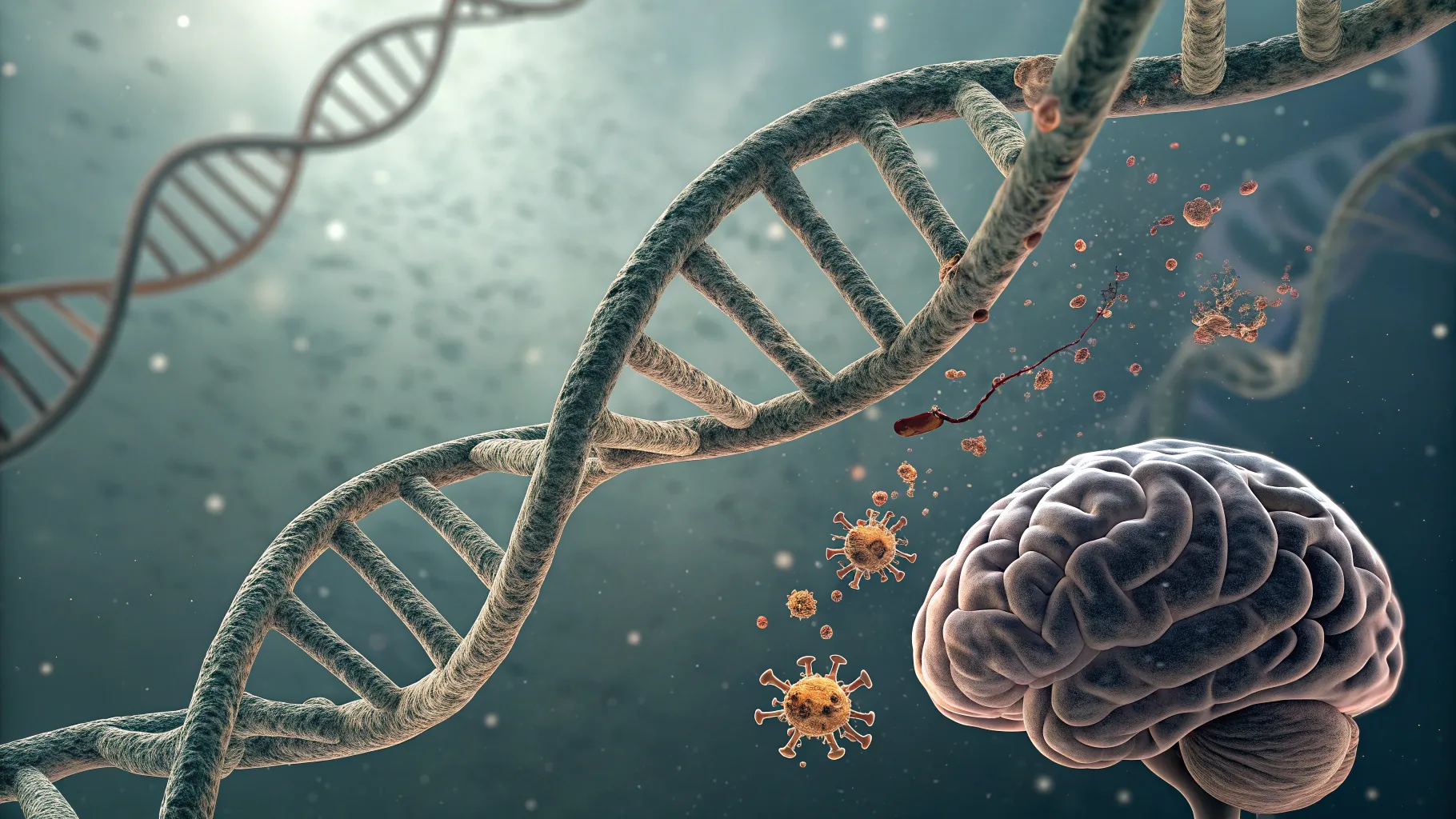
Genetic predisposition plays a significant role in Parkinson's disease. Studies indicate that about 15% of individuals diagnosed with Parkinson's have a family history of the condition. Genes such as SNCA and LRRK2 have been identified as influential in the genesis of Parkinson's. Recent transitions in genetic testing technology have allowed for earlier diagnoses in family members of affected individuals, providing insights into how inherited traits contribute to disease manifestation. For instance, individuals carrying mutations in these genes may exhibit symptoms of Parkinson's up to a decade before the general onset, which underscores the importance of early intervention and lifestyle modification.
Environmental Causes of Parkinson's Disease
Beyond genetic factors, environmental causes are gaining recognition for their role in the development of Parkinson's. Exposure to specific toxins such as pesticides and herbicides, particularly in agricultural settings, has shown a correlation with increased Parkinson's risk. In the past six months, various studies suggested that farmers exposed to these chemicals had a 30% higher risk of developing Parkinson's compared to the general population. Moreover, heavy metals and industrial pollutants have also been linked to the onset of symptoms.
Toxins Linked to Parkinson's Disease
The concept of neurotoxicity due to environmental toxins has emerged as a crucial area of study in the last year. Substances like MPTP (a neurotoxin) have been documented to lead to Parkinson's-like symptoms in humans. Continuous research aims to uncover how prolonged exposure to such toxins over many years can lead to the gradual demise of dopamine-producing neurons, waiting patiently to manifest years later as the disease.
The Role of Dopamine Loss in Parkinson's Disease
Dopamine loss in the substantia nigra region of the brain is the hallmark of Parkinson's disease, leading to the characteristic motor symptoms: tremors, rigidity, and bradykinesia. Most patients experience a significant reduction in dopamine levels before clinical symptoms appear. New therapies are ethically tested to manage dopamine levels in patients, including medications that aim to mimic or enhance dopamine transmission.
Head Trauma and Parkinson's Risk
Emerging evidence has also linked previous head trauma with an increased risk for developing Parkinson's disease. Recent discussions have highlighted how professional athletes, particularly in contact sports like football and boxing, face heightened risks. For instance, a prominent study in the last few months highlighted that former athletes are diagnosed with Parkinson's at rates much higher than the general populace. Traumatic brain injuries could increase the inflammatory processes in the brain, predisposing individuals to neurodegenerative diseases.
Aging as a Risk Factor for Parkinson's
Aging is perhaps the most significant risk factor for Parkinson's disease. The prevalence of Parkinson's increases dramatically with age, affecting approximately 1% of people over 60 and nearly 4% of those over 80. As the population ages globally, instances of Parkinson's are becoming more common, prompting public health interventions focused on early recognition and management of this disease in the elderly. This scaling problem highlights the need for dedicated healthcare resources aimed at managing chronic conditions prevalent in aging individuals.
Mitochondrial Dysfunction in Parkinson's Disease
Mitochondrial dysfunction has been increasingly recognized in recent studies as a potential contributor to Parkinson's disease. Mitochondria are vital for energy production in our cells, especially in neurons where energy demands are incredibly high. Research indicates that impaired mitochondrial function leads to increased oxidative stress, which harms neurons and may accelerate their degeneration. Interventions targeting mitochondrial health, including specific dietary changes and potential pharmacological agents, are gaining popularity in research settings.
Parkinson's Disease and Oxidative Stress
Oxidative stress arises when there is an imbalance between free radicals and antioxidants in the body. In Parkinson's patients, this stress is elevated, leading to neuroinflammation and neuronal death. According to recent studies, antioxidants may play a pivotal role in delaying the progression of Parkinson's. Foods rich in antioxidants, such as fruits and vegetables, are being recommended as part of a preventative strategy to support brain health. This dietary shift aims to manage the oxidative stress levels in the body and protect against further neuronal damage.
Family History and Parkinson's Disease
The familial incidence of Parkinson's disease brings to light just how impactful genetics can be. As noted earlier, the presence of affected relatives can increase one’s risk substantially. Ongoing research is revealing the presence of specific gene-environment interactions that dictate how elevated risk is manifested in different individuals. As genomic studies progress, tailored prevention strategies focusing on individuals with a family history of the disease are becoming increasingly important.
Lifestyle Factors and Parkinson's Risk
Lifestyle choices also contribute to the risk of developing Parkinson's disease. Factors such as diet, exercise, and smoking are under investigation for their potential impact. Interestingly, emerging research in early 2025 suggests that moderate physical activity may reduce Parkinson's risk and aid in symptom management once the disease is diagnosed. Conversely, certain lifestyle factors such as sedentary behavior and obesity have been found to correlate with a higher incidence of the disease, emphasizing the role of a healthy lifestyle as a protective factor.
Overall, the multifactorial causes of Parkinson's disease highlight the interplay between genetic, environmental, and lifestyle factors. As research continues to evolve, the hope remains that a better understanding of these causes will lead to more effective prevention strategies and treatments, fostering a more positive outlook for those affected by this condition.
Authored by FreshLifeWire team