Main Causes of Nasal Polyps in Adults Treatment and Relief
Main Causes of Nasal Polyps in Adults
Nasal polyps are soft, noncancerous growths appearing in the lining of the nasal passages or sinuses. Although they are not life-threatening, their presence can lead to significant discomfort, hindered breathing, and sometimes result in severe complications if not appropriately addressed. In 2025, gaining a clear understanding of the factors contributing to nasal polyp development in adults is vital for effective management and relief. In this article, we explore the leading causes, recognize common symptoms, and consider various treatment strategies.
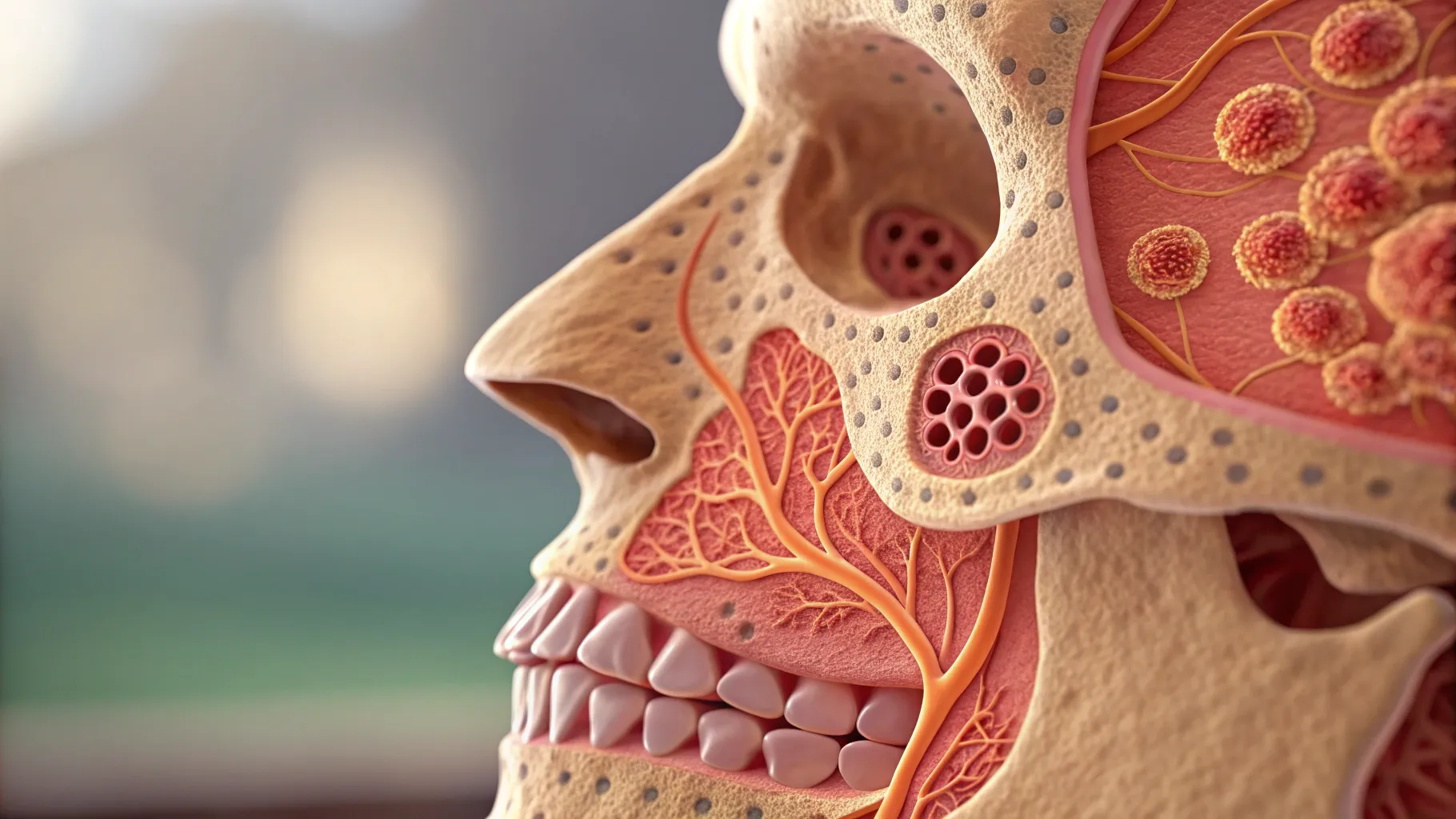
3 Main Causes of Nasal Polyps in Adults
While no single factor exclusively causes nasal polyps, many significant contributors have been identified. Here are three of the most prevalent causes:
- Allergic Rhinitis: Allergies significantly trigger nasal polyps, with an estimated 50% of individuals developing these growths affected by allergic rhinitis, commonly known as hay fever. Allergic rhinitis incites chronic inflammation in the nasal passages. Recent statistics indicate that around 30% of adults suffer from allergies, and many find their symptoms worsen due to environmental factors, making them more susceptible to nasal polyps.
- Asthma: The relationship between asthma and nasal polyps is notable. Current studies show that approximately 30% of asthma patients also develop nasal polyps. Chronic inflammation resulting from asthma leads to the swelling of nasal tissues, creating a conducive environment for polyp formation. Therefore, managing asthma symptoms is crucial to preventing nasal complications and enhancing overall health.
- Chronic Sinusitis: Chronic or recurrent sinus infections can cause irritation of the nasal lining, leading to prolonged inflammation—a key factor in polyp development. Research highlights that up to 80% of those suffering from chronic sinusitis may develop nasal polyps, underscoring the urgent need for effective treatment and management of sinus infections.
Recognizing Symptoms of Nasal Polyps
Identifying the symptoms associated with nasal polyps is essential for facilitating early treatment and preventing complications. Common symptoms include:
- Persistent nasal congestion
- Decreased or lost sense of smell
- Facial discomfort or pressure
- Frequent sinus infections
- Postnasal drip sensation
- Increased snoring
- Itchy nasal passages
- Headaches
If you experience a combination of these symptoms, particularly if they persist, it is crucial to seek medical advice. A standard nasal endoscopy is a commonly performed procedure that can easily identify the presence of nasal polyps; it usually causes minimal discomfort and helps decide the appropriate treatment pathway.
Effective Treatments for Nasal Polyps
In 2025, addressing nasal polyps can involve a range of treatment options, both non-surgical and surgical. Many individuals manage these growths successfully with non-invasive methods that significantly enhance their quality of life. Let's explore effective non-surgical approaches:
Non-Surgical Treatments for Nasal Polyps
For individuals facing mild to moderate nasal polyps, various effective non-surgical treatments are available today:
- Corticosteroid Nasal Sprays: Sprays like fluticasone and mometasone form a first-line defense against nasal polyps. They work by reducing inflammation and can help shrink polyp size. Clinical trials recently revealed that about 60% of patients report noticeable improvement in symptoms with consistent use of these sprays.
- Oral Corticosteroids: For more severe cases, oral corticosteroids are often prescribed. While these medications can swiftly reduce inflammation, their use must be monitored closely due to potential side effects, such as weight gain and increased blood sugar levels.
- Saline Nasal Irrigation: Regular saline irrigation can effectively clear allergens, maintain nasal moisture, and potentially prevent future polyp growth, with practices like using a neti pot becoming popular among patients seeking holistic relief.
- Antihistamines: If allergies are contributing to polyp formation, antihistamines can ease symptoms. Both over-the-counter and prescription options are available to alleviate allergic reactions, indirectly reducing polyp-related symptoms.
Exploring Natural Remedies for Nasal Polyps
An increasing number of individuals are turning to natural remedies as complements to their treatment regimens. Although results can vary widely from person to person, some popular natural approaches include:
- Apple Cider Vinegar: Mixing apple cider vinegar with water and consuming it daily is a strategy some individuals find beneficial due to its potential anti-inflammatory properties, which might minimize polyp size while promoting overall sinus health.
- Eucalyptus Oil: Many users find steam inhalation with eucalyptus oil provides temporary relief from congestion by opening nasal passages. This method is often regarded as soothing and effective for managing symptoms.
- Turmeric: This common spice possesses potent antioxidant qualities that can help reduce inflammation. Incorporating turmeric into your diet may offer supportive anti-inflammatory benefits over time.
- Omega-3 Fatty Acids: Foods rich in Omega-3s, such as salmon, chia seeds, and walnuts, can help combat overall body inflammation, potentially supporting long-term sinus health.
It's important to remember that the effectiveness of these remedies can be highly individual. A combination of medical treatments and personal experimentation with natural remedies often yields the best results. As research continues to advance, understanding the main causes and symptoms of nasal polyps aids individuals in seeking timely intervention and treatment.
This multi-faceted approach empowers individuals to improve their quality of life. By balancing medical guidance with natural methods, individuals can breathe more comfortably and effectively manage nasal polyps.
Authored by FreshLifeWire team