Lymphoma Causes Symptoms Diagnosis and Treatments Explained
What is Lymphoma and How Does it Develop
Lymphoma is a type of cancer that begins in the lymphatic system, which is part of the body's immune system. This system helps fight infections and diseases. Lymphoma involves the abnormal growth of lymphocytes, a kind of white blood cell, in the lymph nodes and other parts of the body. There are two main types of lymphoma: Hodgkin lymphoma and non-Hodgkin lymphoma. The development of lymphoma occurs when lymphocyte DNA changes, leading to uncontrolled cell division and growth.
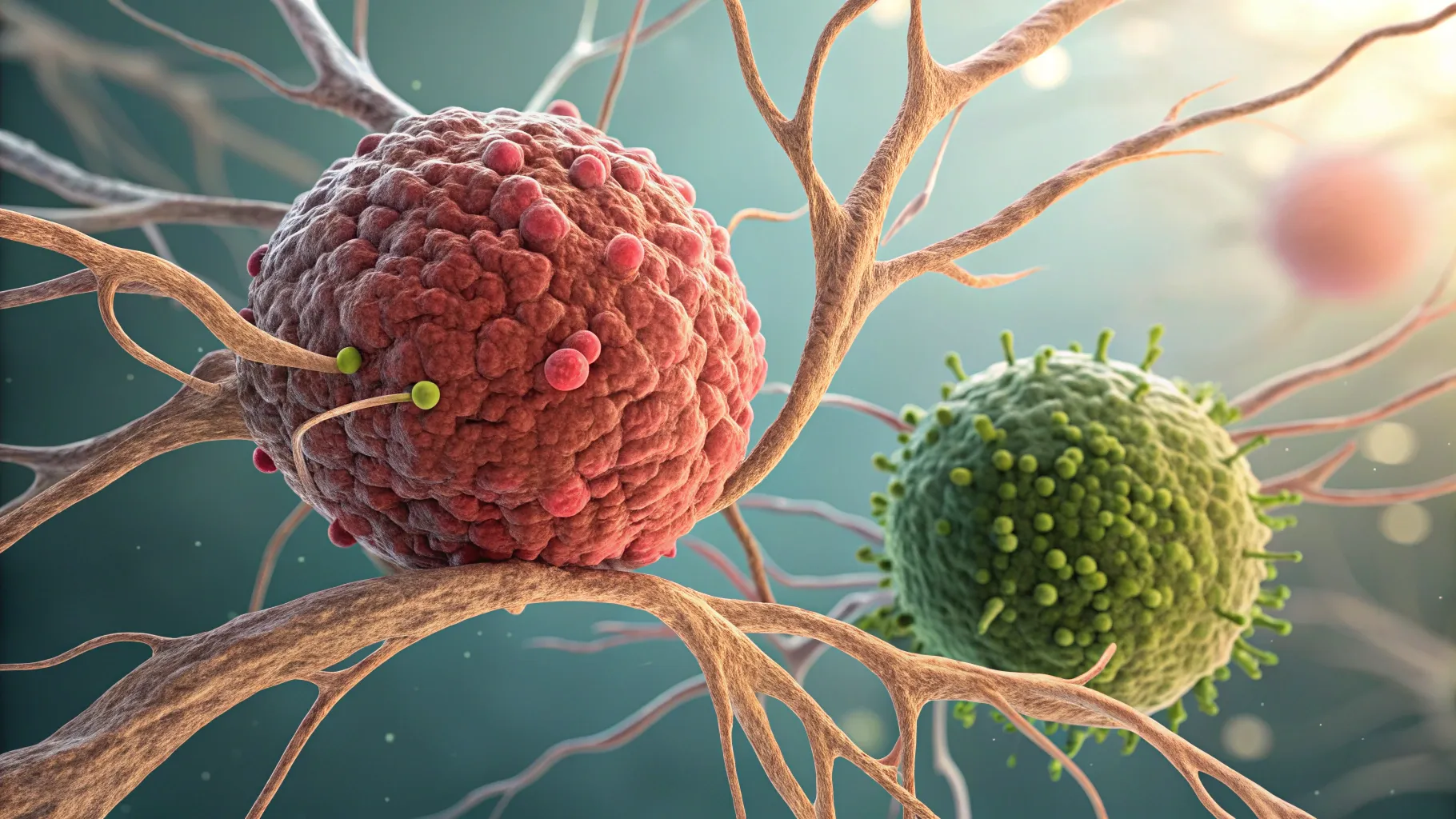
Understanding the Development of Lymphoma
The exact cause of lymphoma remains unknown, but several risk factors have been identified. Factors such as age, immunodeficiency, certain infections (like Epstein-Barr virus), and family history can increase the likelihood of developing lymphoma. In young adults, environmental exposures, such as pesticides and chemicals, may also contribute.
Generally, lymphomas develop either from B-lymphocytes or T-lymphocytes. These cells can become cancerous due to factors that trigger mutations in their genetic material. When this occurs, lymphatic tissues can become enlarged, leading to lymphadenopathy, which is one of the most common signs of lymphoma.
What Are the First Signs of Lymphoma?
Recognizing the early signs of lymphoma can be crucial for early diagnosis and better outcomes. Common initial symptoms include:
- Swollen lymph nodes in the neck, armpits, or groin
- Unexplained weight loss
- Fever and night sweats
- Fatigue that does not improve with rest
- Persistent itching or rash
These symptoms can often be mistaken for other illnesses, contributing to a delay in diagnosis. For instance, the swollen lymph nodes might be associated more with infections than with lymphoma.
Diagnosing Lymphoma
Diagnosis of lymphoma usually involves a series of steps. Healthcare providers may start by reviewing a patient's medical history and performing a physical examination. If lymphoma is suspected, imaging tests such as CT scans or PET scans can help visualize lymph nodes and other organs. To confirm the diagnosis, a biopsy is typically necessary. In a biopsy, a small sample of the lymph node or another affected area is removed and examined under a microscope to look for cancer cells.
In recent months, advancements in diagnostic imaging and techniques have improved the accuracy of lymphoma diagnoses. Liquid biopsies, which look for cancer cells or DNA in the blood, are being researched as potential tools for diagnosis.
What is the Difference Between Lymphoma and Leukemia?
While both lymphoma and leukemia are cancers of the blood, they target different types of cells and are characterized by distinct behaviors. Lymphoma primarily involves the lymphatic system, featuring solid tumors in lymph nodes and tissues. In contrast, leukemia originates in the bone marrow and leads to an increased number of abnormal white blood cells circulating in the blood.
Leukemia can interfere with blood cell production and function, resulting in different symptoms compared to lymphoma. Moreover, the treatment approaches for these cancers can also differ, highlighting the importance of accurate diagnosis.
Is Lymphoma Curable?
The question of whether lymphoma is curable depends greatly on the type of lymphoma, its stage at diagnosis, and individual patient factors. Hodgkin lymphoma is often considered highly treatable, with a cure rate exceeding 85% for early-stage cases. Non-Hodgkin lymphoma has a broader range of outcomes, as it comprises many different subtypes. Some aggressive forms can be cured, while others may be more challenging to treat effectively.
Current treatments include chemotherapy, radiation therapy, targeted therapy, and sometimes stem cell transplants. Ongoing research is continuously exploring more effective and less toxic therapies to improve patient outcomes.
What Does Early Stage Lymphoma Look Like?
Early stage lymphoma often presents subtle signs that can easily be overlooked. Typically, swollen lymph nodes are among the first indicators. In addition to lymph node enlargement, patients might also experience vague symptoms like fatigue, fever, and mild weight loss. Diagnostic imaging can reveal further details about the extent of the disease, but many patients at this stage have not progressed to more obvious symptoms.
In the last few years, awareness campaigns have aimed to educate the public on the importance of early detection of lymphoma. Increased awareness can lead to earlier diagnosis and treatment, which can significantly enhance prognosis.
What Causes Lymphoma in Young Adults?
While age is a risk factor for most cancers, lymphoma does also affect young adults. In this demographic, genetic predispositions play a significant role. Certain genetic syndromes, like Down syndrome and Klinefelter syndrome, have been linked to higher incidences of lymphoma.
Moreover, lifestyle factors such as smoking, obesity, and exposures to environmental toxins, such as pesticides or certain industrial chemicals, contribute to a potential increase in risk. Ongoing research explores these environmental factors further, aiming to elucidate the complex causation of lymphoma in this age group.
Understanding lymphoma and its development is crucial for timely intervention. Through greater awareness, better diagnostic methods, and advancing treatment options, the journey from diagnosis to treatment continues to evolve for patients. As we learn more about this disease, hope persists for improved outcomes and potential cures.
Authored by FreshLifeWire team