Long Term Survival and Quality of Life After Bypass Surgery
Long-Term Survival After Bypass Surgery
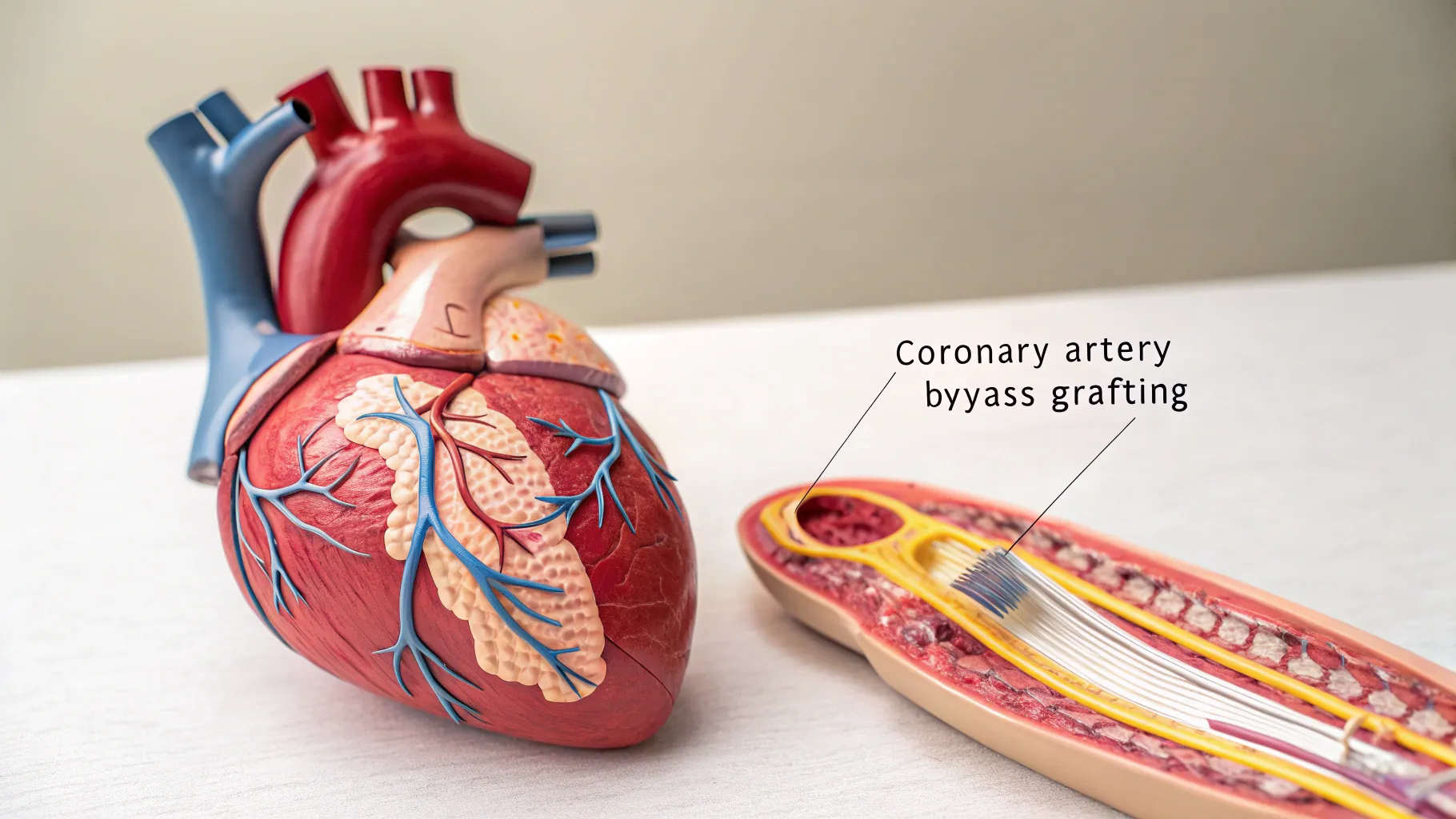
In the realm of cardiac care, the past several years have witnessed remarkable advancements in coronary artery bypass grafting, commonly referred to as bypass surgery. This surgical procedure aims to improve blood flow to the heart in patients suffering from severe coronary artery disease (CAD). According to recent findings from a study conducted in early 2025, long-term survival rates have seen encouraging improvements, with approximately 85% of patients living for at least five years after surgery. More notably, around 70% survive beyond a decade, showcasing the lasting effectiveness of this life-saving procedure.
Key Insights Into Bypass Surgery Outcomes
Bypass surgery is often prescribed when patients have significant blockages in their coronary arteries. Statistically, those who opt for coronary artery bypass grafting tend to experience better overall health outcomes compared to individuals who rely solely on medication. A recent comprehensive analysis confirms that CABG not only enhances survival rates but also boosts quality of life significantly for patients in the years following the operation.
- Durability of Bypass Grafts: Many of the grafts used in bypass surgery, especially the internal mammary artery, offer excellent longevity. Studies suggest that these grafts can remain open and functional for over 10 to 15 years, ensuring sustained blood flow to the heart.
- Impact of Age: Surprisingly, research indicates that elderly patients, often seen as higher-risk candidates for surgery, are achieving impressive survival statistics. Patients aged over 75 now benefit from a survival rate of about 70% at five years post-surgery.
- Lifestyle and Rehabilitation: The importance of lifestyle modifications after bypass surgery cannot be emphasized enough. Patients who actively participate in cardiac rehabilitation programs typically report a noticeable increase in life expectancy and a marked improvement in their quality of life.
Quality of Life Enhancements Following Bypass Surgery
It's not uncommon for patients to express concerns regarding their quality of life in the aftermath of bypass surgery. Many fear they will not be able to reclaim their pre-surgery lifestyle. However, a recent patient-centric survey has provided insightful revelations: over 75% of CABG patients report a significant enhancement in their overall well-being following the procedure. The following factors are pivotal to this positive trend:
- Reduced Symptoms: One of the most gratifying benefits post-surgery is the reduction of debilitating symptoms, such as chest pain and shortness of breath. A vast majority of patients experience a substantial decrease in these symptoms, allowing them to engage in activities they had previously avoided.
- Increased Physical Activity: Post-surgery, many patients gain a renewed sense of empowerment, leading them to engage more in physical exercise. This commitment is not only vital for enhancing heart health but also plays a crucial role in improving mental health and emotional well-being.
- Psychological Effects: The relief from the anxiety and stress associated with their heart conditions leads many patients to better mental health outcomes, positively impacting their overall life satisfaction.
Bypass Surgery Versus Medical Therapy: Comparing Longevity
When discussing treatment options for coronary artery disease, a common debate arises between opting for bypass surgery or pursuing medical management. Recent statistics strongly advocate for the effectiveness of bypass surgery, particularly in patients with multiple arterial blockages. A significant multinational study released just months ago provides compelling data, demonstrating that CABG patients enjoy a 25% higher rate of survival compared to those solely receiving medicinal therapy, especially in cases of advanced CAD.
Furthermore, while medications can alleviate symptoms, they do not rectify anatomical issues like those addressed by bypass surgery. This capability leads to significantly better long-term health outcomes. Patients who undergo CABG not only witness a reduction in the likelihood of subsequent cardiac events but also experience an overall enhancement in longevity.
Recovery Rates and Expectations Post-Bypass Surgery
Gaining a comprehensive understanding of what to expect during the recovery phase is crucial for patients undergoing bypass surgery. Generally, patients can anticipate spending around 5 to 7 days in the hospital after their procedure. The recovery process typically unfolds as follows:
- Initial Recovery: In the immediate aftermath, patients may experience significant fatigue and discomfort. However, advancements in pain management techniques ensure that the post-operative experience is considerably more manageable than in previous years.
- Physical Rehabilitation: Most patients participate in structured cardiac rehabilitation programs shortly after their surgery. This early integration not only accelerates recovery but also strengthens their overall stamina and resilience.
- Continuous Monitoring: Regular check-ups become vital in assessing graft functionality and maintaining heart health. This ongoing monitoring allows healthcare providers to make necessary adjustments to the treatment plan, ensuring that patients receive the best possible care.
In summary, as cardiac surgery techniques continue to evolve, the prospects for patients undergoing bypass surgery have never been better. The statistics and qualitative reviews from patients underscore an optimistic future following coronary artery bypass grafting. As research proceeds to refine and enhance surgical methods and post-operative care strategies, there is little doubt that the outcomes for patients facing coronary artery disease will only improve further in the coming years. For many individuals diagnosed with CAD, opting for bypass surgery presents a golden opportunity for extended life and enhanced quality of life.
Authored by FreshLifeWire team