Long COVID Rehab for Seniors Improving Recovery and Health
Understanding Long COVID Symptoms in the Elderly
Long COVID, or post-acute sequelae of SARS-CoV-2 infection (PASC), poses significant challenges, particularly for seniors. Research indicates that approximately 30% of older adults experience lingering symptoms following their initial infection. Common long COVID symptoms in the elderly range from fatigue and respiratory issues to cognitive impairments commonly referred to as "brain fog." This not only makes daily tasks demanding but can also lead to a deteriorating quality of life.
The symptoms can vary considerably among individuals. While some may struggle with persistent cough and weakness, others might face difficulties such as anxiety or depression stemming from their prolonged health battles. For seniors, the presence of pre-existing health conditions simplifies the complexity of recovery, as long COVID exacerbates those existing issues.
Rehabilitation Programs for Seniors with Long COVID
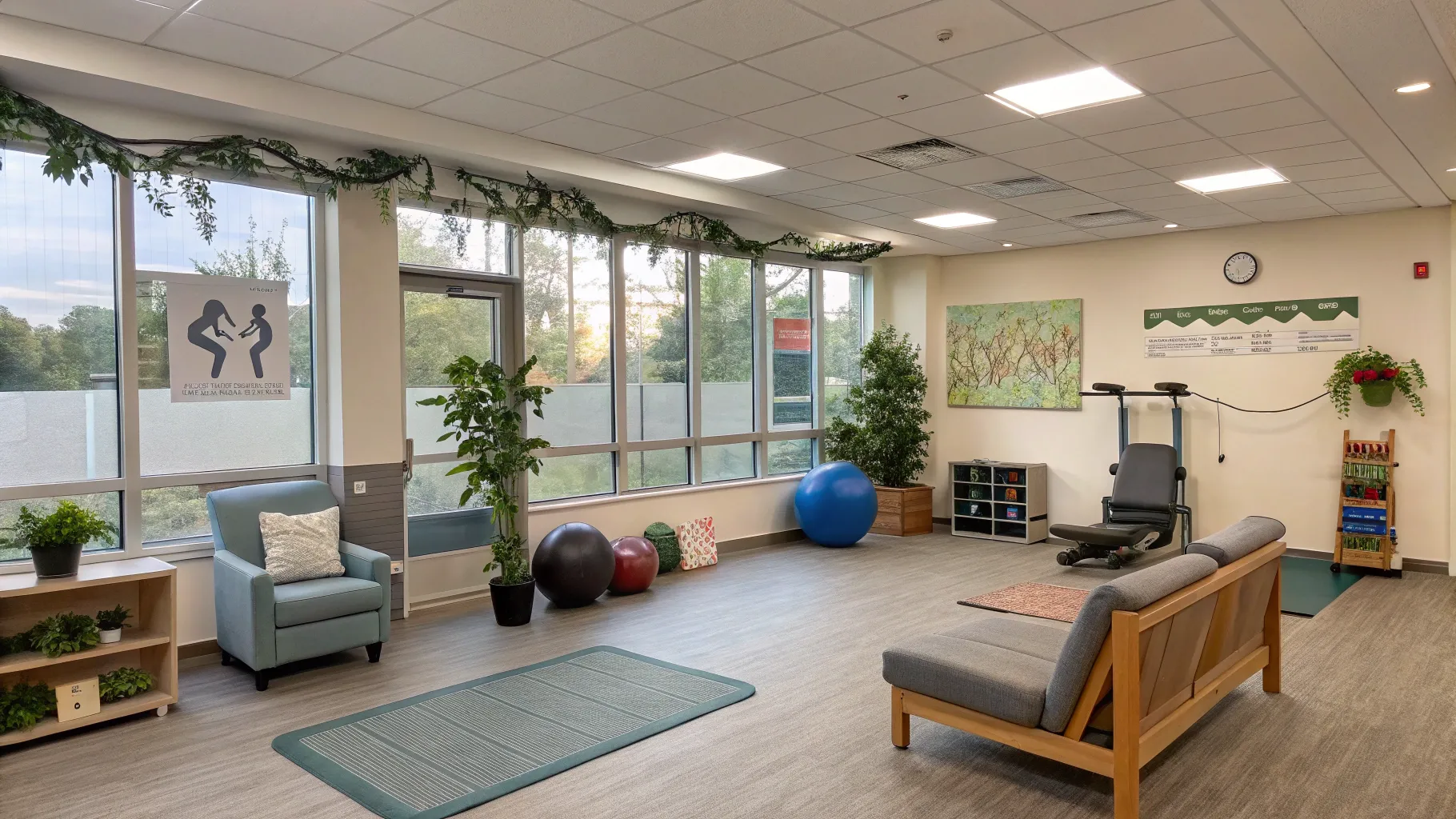
Rehabilitation programs designed specifically for seniors recovering from long COVID focus on enhancing both physical and cognitive recovery. The holistic approach of these programs integrates various forms of therapy.
- Physical therapy: Tailored exercise regimens can help regain strength, improve mobility, and reduce fatigue. These programs often begin with gentle exercises and gradually increase in intensity based on the individual's capabilities.
- Cognitive behavioral therapy: This aspect addresses mental health issues associated with long COVID. Cognitive impairments can manifest as forgetfulness or difficulty concentrating, which can be particularly distressing. Mental exercises and structured routines are incorporated to support cognitive recovery.
- Nutrition and wellness counseling: Seniors often require a carefully monitored diet to manage their energy levels and overall health. Nutritionists work with individuals to establish meal plans that ensure they receive necessary nutrients.
Programs often last several weeks to months. A recent cohort study demonstrated that participants who adhered to rehabilitation protocols showed a 60% improvement in their overall health status compared to those who did not engage in structured rehabilitation. A combined approach not only supports physical recovery but also addresses emotional well-being, which is crucial for seniors experiencing isolation and anxiety due to long COVID.
Costs and Coverage for Long COVID Rehabilitation
One of the pressing concerns for families navigating long COVID rehabilitation for seniors is the financial investment. Depending on the complexity of the program, costs can range from $100 to over $500 per session, leading to substantial total expenses, especially over an extended rehabilitation timeline.
Fortunately, as awareness of long COVID has increased, so has insurance coverage for rehabilitation services. As of 2025, Medicare has expanded its coverage criteria to encompass certain rehabilitation services specifically addressing long COVID. Now, many seniors find that their insurance can cover a significant portion of therapy sessions, making access to rehabilitation more feasible.
Therapy Timelines and Success Rates of Rehab
The length of time required for rehabilitation varies greatly among individuals. However, many seniors typically see improvements within 6 to 12 weeks of consistent therapy. This timeline can fluctuate based on factors like age, pre-existing conditions, and overall health prior to COVID-19. Encouragingly, studies have shown that up to 75% of seniors participating in structured rehab programs report significant improvements in their symptoms by the conclusion of their treatment.
Success rates can also be influenced by early intervention. Seniors who begin rehabilitation soon after their initial recovery from COVID-19 have exhibited higher success rates than those who delay seeking help. Early engagement in a rehabilitation program is crucial. A notable case involved a senior patient who, after only 8 weeks of rehabilitation, was able to return to most of her previous activities and effectively manage her symptoms.
Real World Examples and Case Studies
One poignant example comes from a rehabilitation center in Florida, where a program was designed specifically for seniors battling long COVID. An 82-year-old patient enrolled after experiencing severe fatigue and muscle weakness. Through a combined regimen of physical and cognitive therapy over three months, she reported improved energy levels, enhanced memory function, and an overall better mood. Such success stories are increasingly common and highlight the potential of targeted rehabilitation.
Additionally, a public health initiative in California focused on accessible rehabilitation through telehealth has made significant strides. Targeting seniors who may not have access to in-person therapy, this program demonstrated that telehealth participants could achieve similar satisfaction and health improvements as those receiving face-to-face rehabilitation. Statistics from this initiative showed a successful re-engagement in daily activities for about 70% of participants.
The Path Ahead
As we progress through 2025, the urgency to address long COVID in seniors remains paramount. Families, caregivers, and healthcare providers must work together to ensure that elderly individuals affected by long COVID receive the support they need. With progressive rehabilitation programs, increased insurance coverage, and encouraging statistics regarding therapy outcomes, the outlook for seniors contending with long COVID is brighter than ever. Empowering these individuals through appropriate rehabilitation not only restores the quality of life but is fundamental in reintegrating them back into their communities.
Authored by FreshLifeWire team