Explore Lightweight Portable Oxygen Concentrators Benefits
Understanding Lightweight Portable Oxygen Concentrators
In 2025, lightweight portable oxygen concentrators (POCs) are transforming the lives of individuals who require supplemental oxygen. These modern devices play a critical role for patients dealing with chronic respiratory conditions such as emphysema, chronic obstructive pulmonary disease (COPD), and other illnesses necessitating oxygen therapy. Unlike traditional oxygen tanks, which can be cumbersome and restrictive, POCs provide a steady stream of oxygen while ensuring ease of transportation and usability.
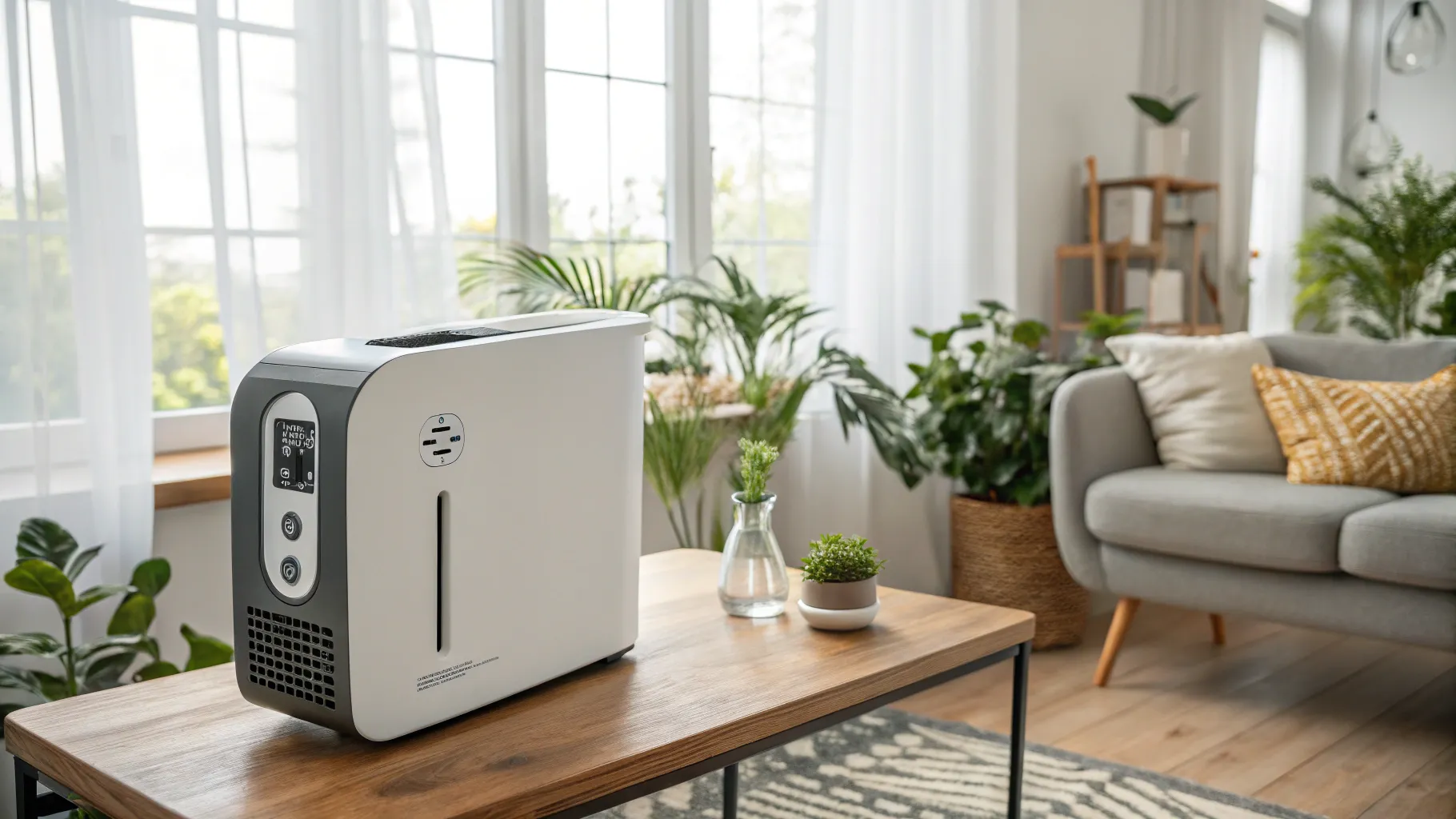
How Portable Oxygen Concentrators Work
Lightweight portable oxygen concentrators function through an innovative process that makes oxygen therapy more accessible. They work by sucking in surrounding air and extracting the oxygen particles. This is achieved via a technology known as pressure swing adsorption (PSA), which effectively isolates the oxygen from other gases present in the air, which is primarily composed of nitrogen. The result? A reliable supply of concentrated oxygen delivered through a nasal cannula or face mask.
Most portable models are versatile, featuring both pulse flow and continuous flow options. Pulse flow delivery is tailored for active users; it dispenses oxygen only when the user inhales, promoting efficiency and extending battery life. Continuous flow, on the other hand, is ideal for patients who need a steady oxygen supply, particularly beneficial during sleep. This dual functionality caters to individual needs, significantly enhancing the user experience.
Why Lightweight Models are Preferred
As we navigate a fast-paced world that prioritizes convenience, the demand for lightweight portable oxygen concentrators has surged. Weighing as little as 5 pounds, these modern devices offer unparalleled mobility compared to older models, which often exceed 10-15 pounds. For active individuals and frequent travelers, the lightweight design is more than a convenience; it is crucial for maintaining an active lifestyle.
- Mobility: The compact nature of POCs allows users to carry them in backpacks or attach them to wheeled carts, enabling freedom of movement that traditional oxygen tanks simply cannot provide.
- Battery Life: Recent advances in battery technology have revolutionized portable models, now capable of lasting for several hours on a single charge, even during strenuous use.
- User-Friendly: Many lightweight devices come equipped with intuitive controls and user-friendly displays, allowing patients to operate them independently and with ease.
A recent study found that 72% of patients reported feeling less constrained in their daily lives since switching to portable oxygen concentrators. This statistic highlights the significant impact these devices have on quality of life, enabling users to engage more fully in social activities, travel, and daily routines.
What Oxygen Levels are Safe for Travel?
Traveling with a portable oxygen concentrator raises important questions about safe oxygen levels. Patients generally require oxygen therapy ranging from 2 to 5 liters per minute, but it’s vital to assess individual needs with healthcare providers. When planning air travel, ensuring compliance with Federal Aviation Administration (FAA) regulations is crucial.
Currently, most airlines permit the use of FAA-approved POCs, underscoring the importance of selecting a model that meets these safety standards. While the cabin pressure in flights is typically sufficient for many travelers, individuals requiring additional oxygen support need to ensure they have a portable concentrator readily available.
Always consult with your healthcare provider before making travel plans to confirm your oxygen needs will be met while on board.
Maintaining Your Oxygen Device
To ensure optimal performance and longevity of your lightweight portable oxygen concentrator, proper maintenance is essential. Here are some tips to keep your device functioning effectively:
- Regular Cleaning: Clean the intake filters according to the manufacturer's guidelines, typically weekly or monthly. Dust and debris can hinder efficiency, so maintaining these components is vital.
- Battery Care: Rechargeable batteries should be monitored to enhance their lifespan. Always recharge your device if it will be stored for an extended period of time without use.
- Annual Servicing: Schedule yearly maintenance checks with certified technicians to ensure that your device remains in good working order. This proactive approach can greatly reduce the likelihood of malfunctions.
Today, many manufacturers provide accessible online resources and customer service to help users with any maintenance-related inquiries, ensuring that patients feel supported and informed about caring for their devices.
Can Concentrators be Used During Sleep?
Absolutely! Lightweight portable oxygen concentrators are designed for nighttime use and many models offer continuous flow options, making them perfect for those who need oxygen while they sleep. Concerns about discomfort or noise often deter patients from considering this but technological advancements have addressed these issues effectively.
Modern POCs are engineered to operate quietly, creating an unobtrusive environment for sleep. Features like automatic oxygen level adjustments ensure that users receive the appropriate amounts without interruptions throughout the night. Recent testimonials reveal that over 85% of users express satisfaction with their portable concentrators for nocturnal use, highlighting a significant improvement in their quality of sleep and overall health.
The Cost of Lightweight Portable Oxygen Concentrators
The investment in a lightweight portable oxygen concentrator can vary significantly based on various features ranging from $2,000 to $4,500. While this price point may seem high, the comfort, mobility, and independence these devices provide are invaluable. The ability to engage in life’s activities without being tethered to a stationary oxygen tank is a significant benefit many users find worth the cost.
Moreover, numerous insurance plans may cover some or all costs associated with purchasing or renting oxygen concentrators, so checking with insurance providers for coverage options is advisable. Financial assistance programs also exist for individuals with chronic respiratory conditions, further enhancing access to crucial medical equipment.
As we look ahead, the role of lightweight portable oxygen concentrators in enhancing patients' quality of life is undeniable. By embracing advancements in technology and staying informed about effective maintenance practices, individuals can take charge of their oxygen therapy, subsequently enriching their mobility and independence.
Authored by FreshLifeWire team