Laser Treatment for Varicose Veins in Seniors Overview
Understanding Laser Treatment for Varicose Veins in Seniors
Varicose veins are a common issue, especially among seniors, leading to discomfort and self-consciousness. As we age, our veins can become less elastic, causing blood to pool and resulting in those unsightly bulges. Fortunately, medical advancements have led to the development of various treatment options, among which laser treatment has gained popularity for its effectiveness and minimally invasive nature.
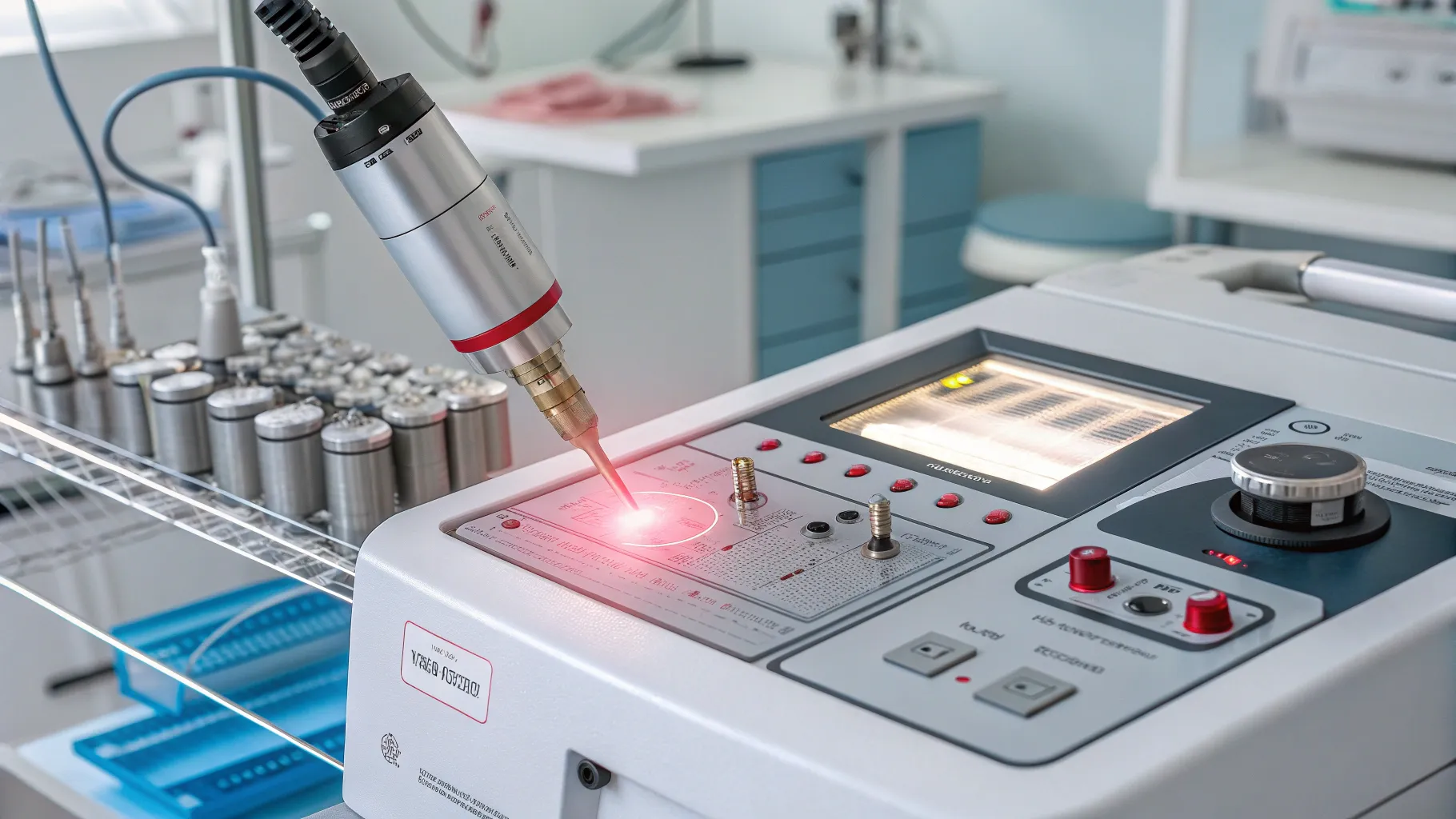
Laser Removal Procedure for Varicose Veins
The laser removal procedure is a cutting-edge method that targets problem veins with precision. During this outpatient procedure, a laser fiber is inserted into the vein through a tiny incision, and the laser emits energy that heats up the vein walls, causing them to collapse and seal shut. Over time, the body absorbs the sealed vein, and blood naturally redirects to healthier veins. This procedure is typically performed under local anesthesia, meaning patients can go home the same day.
Types of Lasers Used
There are several types of lasers used for varicose vein treatment. The most common include:
- Endovenous Laser Therapy (EVLT): This is the most widely used method, utilizing a laser fiber that targets the vein from the inside.
- YAG laser: This laser uses a specific wavelength of light, which is absorbed by the hemoglobin in the blood, effective for smaller veins or spider veins.
- Diode laser: Known for its precision, this laser is ideal for various vein types, offering high efficiency in treating larger varicose veins.
The choice of laser depends on the patient’s specific condition and the healthcare provider's expertise. A thorough consultation will usually determine the most suitable option for individual needs.
Cost of Laser Treatment
In 2025, the cost of laser treatment for varicose veins can vary significantly based on location, healthcare provider, and the complexity of the case. Generally, patients can expect to pay between $1,000 to $3,000 per leg for the procedure. Health insurance may cover part of the costs if the treatment is deemed medically necessary, making it crucial to check with both your insurance provider and the medical facility beforehand.
Recovery and Postoperative Care
One of the advantages of laser treatment is the relatively quick recovery time. Most patients are able to return to normal activities within a few days. After the procedure, some common recovery guidelines include:
- Avoiding Strenuous Activity: It's recommended that patients refrain from heavy lifting and vigorous exercise for at least two weeks.
- Wearing Compression Stockings: These can aid in blood circulation and are often recommended for the first few weeks post-procedure.
- Monitoring the Site: It’s essential to watch for any signs of infection or complications at the treatment site.
Most patients experience only mild discomfort and swelling, which can be managed with over-the-counter pain relief medications. The healthcare provider will schedule follow-up appointments to monitor recovery and ensure the healing process is proceeding without complications.
Risks and Complications
While laser treatment for varicose veins is generally safe, there are some risks and potential complications that patients should be aware of:
- Bruising: Temporary bruising is common around the treatment area.
- Infection: Although rare, any surgical procedure carries a risk of infection.
- Blood Clots: There is a slight risk of deep vein thrombosis (DVT), which requires prompt medical attention.
- Skin Burns: If not performed correctly, there may be a risk of burns to the surrounding skin.
Discussing these risks with the healthcare provider before the procedure can help mitigate fears and ensure that seniors feel comfortable with their decision.
Results and Expectations
Patients often see significant improvement in the appearance of their veins and a reduction in symptoms, such as pain and heaviness in the legs. Most report a noticeable change even within a few weeks post-treatment. It's important to set realistic expectations; complete results may take several months as the body continues to heal and absorb the treated veins.
Statistically, a study published in late 2024 found that over 90% of patients were satisfied with their outcomes, experiencing improved quality of life and increased confidence. Follow-up care and possible lifestyle changes can further enhance results, such as implementing regular exercise and a balanced diet.
Recommended Candidates for Laser Treatment
Laser treatment is not suitable for everyone. Recommended candidates typically include seniors who:
- Have visible varicose veins causing pain or discomfort.
- Are in overall good health and can tolerate the procedure.
- Understand the potential risks and expectations associated with treatment.
- Prefer a minimally invasive option with quick recovery times.
Those with other underlying health conditions, such as severe cardiovascular issues or skin infections, may need to explore alternative treatments. A comprehensive evaluation by a vascular specialist is critical for determining candidacy for laser treatment.
To summarize, laser treatment for varicose veins is a valuable option for seniors, providing effective results with minimal downtime. Understanding the procedure, costs, recovery, and possible risks can empower individuals in their journey towards improved leg health and quality of life.
Authored by FreshLifeWire team