Laser Eye Surgery for Seniors Understanding LASIK and PRK
Laser Eye Surgery for Seniors: Transforming Vision After 60
Vision tends to change as we age, and many seniors find themselves relying on glasses or contact lenses to navigate daily life. Fortunately, laser eye surgery offers a proven pathway to improved eyesight for individuals over 60. In 2025, advancements in procedures like LASIK and PRK have made these options more appealing and safer than ever. This article delves into LASIK for seniors, closely compares PRK vs LASIK, evaluates eligibility criteria, discusses associated costs, recovery times, visual outcomes, and potential risks.
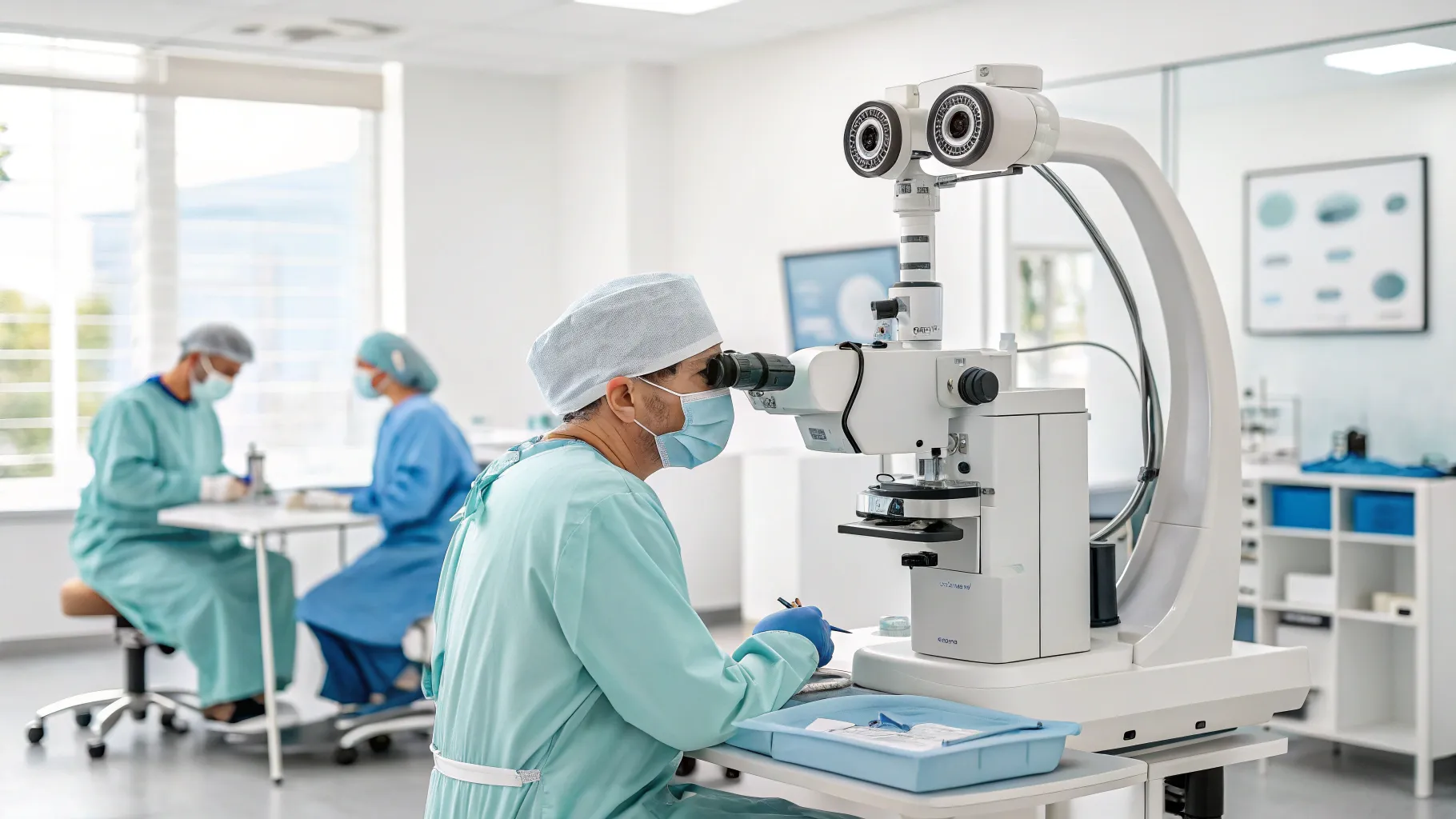
Understanding LASIK and PRK for Seniors
With substantial advancements in laser technology, LASIK (Laser-Assisted In Situ Keratomileusis) and PRK (Photorefractive Keratectomy) are leading options for correcting vision issues such as nearsightedness, farsightedness, and astigmatism. While both procedures are highly effective, their techniques differ significantly, making it essential for seniors to understand the subtleties of each option.
LASIK for Seniors: A Closer Look
LASIK surgery involves creating a thin flap in the cornea, which is then lifted to allow a precise laser to reshape the underlying corneal tissue. One of the key advantages of LASIK is the minimal discomfort and quick recovery time. Most patients report clear vision shortly after the procedure, some as quickly as within a few hours. Imagine waking up the next day and seeing your alarm clock—this is a reality for many who choose LASIK.
PRK vs LASIK: Key Differences for Seniors
PRK, on the other hand, entails the removal of the outer epithelium of the cornea entirely, which enables laser reshaping of the cornea directly. Though it may sound more invasive, PRK can actually be beneficial for seniors with corneas that are too thin for LASIK. Deciding between these two approaches might depend on your specific eye structure and vision needs.
- Corneal Thickness: If your corneas are thinner than average, PRK may be the recommended choice, ensuring the best results without compromising eye health.
- Long-term Considerations: Both procedures yield outstanding results, but PRK might offer a lower risk of complications related to the corneal flap, making it a safer long-term choice for some individuals.
- Recovery Time: LASIK typically involves a rapid recovery process, often allowing patients to return to their daily activities within 24 hours, whereas PRK generally takes a few days longer as the cornea heals naturally.
Eligibility for Laser Eye Surgery Over 60
Age does not automatically disqualify seniors from opting for laser eye surgery, but there are several important factors to determine eligibility that seniors should be aware of:
- Stable Vision Prescription: Candidates should have a stable vision prescription for a minimum of one year before considering surgery. Significant changes prior to this period could indicate ongoing eye health issues.
- Overall Health: Conditions like diabetes or severe dry eye can interfere with the surgical process and healing. An ophthalmologist will assess your overall health as part of the pre-operative examination.
- Cataracts: If cataracts are present, it’s advisable to address them before considering laser surgery. Treating cataracts can improve the surgical outcome and overall vision quality.
A thorough pre-operative evaluation is crucial for seniors—it ensures you have the best understanding of your surgical options and helps tailor the plan to your specific needs.
Cost of Laser Eye Surgery
The financial aspect of laser eye surgery can be a significant consideration for many seniors. In 2025, the cost of LASIK typically ranges between $2,000 and $3,000 for each eye, while PRK may be slightly less, often due to reduced technology fees. While these costs might seem lofty, many insurance policies have started covering parts of these procedures. Furthermore, numerous clinics offer flexible payment plans to make them more attainable for seniors.
Recovery Timeline and Vision Outcomes
Being informed about recovery timelines is essential for setting realistic expectations. After LASIK, most patients experience noticeable vision improvement within a day. For PRK, recuperation can take a little longer due to the need for the outer layer of the cornea to regenerate, but the long-term vision outcomes are typically equally impressive.
Many seniors report a clear vision sensation that greatly enhances daily life without the reliance on corrective eyewear. While LASIK patients might regain their vision significantly faster, both groups achieve excellent clarity over time, leading to a newfound freedom.
Long-Term Vision Results
Recent studies indicate that around 95% of LASIK patients achieve 20/25 vision or better post-surgery, which is adequate for most daily activities without glasses. For PRK, similarly high satisfaction rates are reported, with many patients enjoying substantial improvement with fewer incidences of complications like dry eye. Regular follow-up appointments with an ophthalmologist are essential after surgery to monitor eye health and ensure optimal results.
Potential Risks and Side Effects
As with any medical procedure, laser eye surgery comes with potential risks and side effects. Being aware of these allows for informed decision-making:
- Dry Eyes: Many patients experience dryness post-surgery, but this is typically temporary and resolves within a few months as the eyes adjust.
- Visual Disturbances: Some seniors report seeing halos or experiencing glare, particularly at night. These visual effects often lessen with time as the eyes heal.
- Correction Outcomes: Occasionally, the desired vision correction might not be achieved, and some patients may require additional adjustments or enhancements.
Having an open conversation with your eye surgeon regarding potential risks helps to weigh them against the prospects of enhanced vision. Always prioritize your eye health and seek professional guidance tailored to your unique situation.
The Bottom Line on LASIK for Seniors
For seniors hoping to bid farewell to glasses or contacts, laser eye surgeries like LASIK and PRK represent highly effective options in 2025. By understanding eligibility requirements, costs, recovery times, vision outcomes, and potential risks, seniors can make informed choices about their vision health. With continuous technological advancements, now is an exciting time for seniors to explore their options and rediscover the joy of clear eyesight.
Authored by FreshLifeWire team