Landscaping Ideas for Massachusetts Homes: A New England Guide
Facts:
- Massachusetts is home to over 2,000 native plant species.
- Sustainable, low-water garden design is a top trend for yard design New England.
Crafting Your Perfect Massachusetts Landscape: Blending Tradition and Trends
Designing an outdoor space in the Bay State offers a unique opportunity to blend classic charm with modern functionality. The right Massachusetts Landscaping Ideas can transform your property into a personal oasis, increasing both its value and your enjoyment. Whether you have a sprawling suburban yard or a compact city garden, a thoughtful approach to landscaping design MA is key to creating a beautiful, sustainable, and resilient environment that thrives in the region's distinct four-season climate. This guide explores foundational concepts and current trends to help you achieve the perfect New England landscape.
Embracing Native Flora: The Heart of Massachusetts Garden Design
One of the most impactful and sustainable garden ideas Massachusetts homeowners can adopt is the integration of native plants. These species, such as New England Aster, Joe Pye Weed, and Lowbush Blueberry, are perfectly adapted to the local soil, rainfall, and climate. This means they require less water, fertilizer, and overall maintenance once established. Beyond the practical benefits, native plants provide critical food and habitat for local pollinators like bees and butterflies, contributing to the ecological health of your neighborhood. A well-planned native garden offers a succession of blooms from spring through fall, ensuring your landscape is always vibrant. This approach to outdoor home improvement not only creates a beautiful aesthetic but also fosters a deeper connection to the natural heritage of Massachusetts.
Classic New England Hardscaping: Stone Walls, Patios, and Walkways
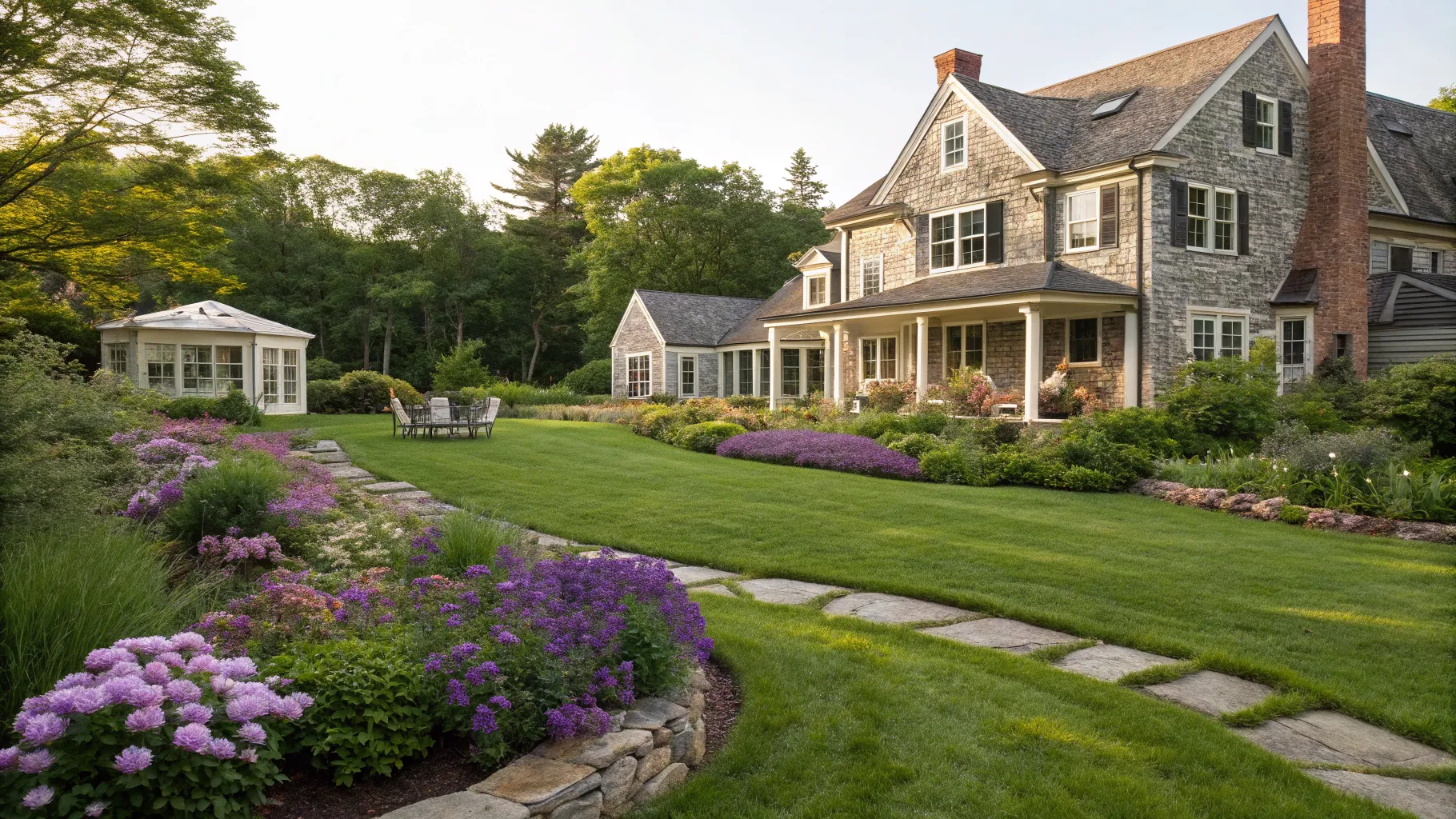
The quintessential yard design New England is often defined by its hardscaping—the non-living elements of the landscape. Fieldstone and granite are iconic materials that echo the region's history and geology. A low, meandering fieldstone wall can define a garden bed, create a terraced slope, or simply add timeless character to your property line. For patios and walkways, bluestone or pavers offer a durable and elegant surface for outdoor living and dining. Thoughtful hardscaping provides the foundational structure of your landscape, creating functional spaces and year-round visual interest long after the flowers have faded. A successful landscaping design MA project expertly balances these strong structural elements with softer plantings for a harmonious look.
Current Massachusetts Garden Trends to Elevate Your Outdoor Space
While tradition is cherished, contemporary Massachusetts garden trends are focused on enhancing lifestyle and sustainability. The concept of the 'outdoor room' remains incredibly popular, with homeowners creating dedicated zones for cooking, dining, and relaxation, often complete with pergolas, fire pits, and comfortable seating. Another major trend is water-wise landscaping, or xeriscaping, which utilizes drought-tolerant plants and smart irrigation to conserve water. Rain gardens are also gaining traction as an attractive way to manage stormwater runoff. Integrating these modern ideas into your outdoor home improvement plan can result in a more usable, eco-friendly, and stylish space that reflects current design philosophies.
Actionable Massachusetts Landscaping Ideas for Every Season
A truly successful landscape offers beauty and function throughout the year. The key is planning for each of Massachusetts' distinct seasons. Here are some actionable ideas to ensure your yard is always at its best:
- Spring: Focus on renewal. This is the time to prune winter damage from shrubs, divide perennials, and plant early-blooming bulbs like daffodils and tulips. It's also the ideal time to apply a fresh layer of mulch to garden beds to retain moisture and suppress weeds for the coming summer.
- Summer: Emphasize vibrant color and outdoor living. Plant long-blooming perennials and annuals. Ensure your patio and seating areas are clean and inviting. This is the peak season for enjoying your outdoor home improvement investments, so keep up with watering, especially during dry spells.
- Fall: Celebrate the harvest and rich colors. Plant fall-blooming asters and chrysanthemums. This is also the best time to plant trees and shrubs, allowing their roots to establish over the winter. The iconic fall foliage makes this season a highlight for any yard design New England.
- Winter: Focus on structure and texture. The 'bones' of your garden are on full display. Incorporate evergreens for year-round color and plants with interesting bark or branching structures, like Red Twig Dogwood or River Birch. Berrying plants like Winterberry provide a pop of color and food for birds.
Frequently Asked Questions
What is the best low-maintenance landscaping design MA for busy homeowners?
The best low-maintenance design focuses on native plants, which are adapted to the local climate and require less care, and extensive use of hardscaping like patios and stone mulch beds. Reducing lawn size in favor of groundcovers or garden beds also significantly cuts down on mowing and upkeep time.
How can I incorporate four-season interest into my garden ideas Massachusetts?
To achieve year-round interest, you need a layered planting strategy. Use a backbone of evergreen trees and shrubs for winter structure. Add flowering trees and spring bulbs for the early season, long-blooming perennials for summer, and shrubs with brilliant fall foliage. Finally, include plants with winter interest, such as ornamental grasses and berry-producing shrubs like winterberry.
What are the key elements of a classic yard design New England?
A classic New England yard often features a blend of formal and informal elements. Key components include natural stone walls (fieldstone), bluestone or brick walkways, white picket fences, and informal planting beds filled with a mix of traditional flowers like hydrangeas, roses, and lilacs alongside native species. The overall feel is one of timeless, understated elegance.
References
- Massachusetts Horticultural Society Planting Guides
- University of Massachusetts Amherst Extension, Landscape and Nursery Program
- New England Wild Flower Society Publications
- Homeowner's Guide to Landscape Design
Authored by FreshLifeWire team