Knee Replacement Surgery for Seniors Options Costs Recovery
Knee Replacement Surgery for Seniors: Understanding Your Options
Knee replacement surgery has become a common procedure among seniors dealing with chronic knee pain and mobility issues. As we age, the wear and tear on our joints can lead to conditions such as osteoarthritis, forced by years of physical activity, injuries, and natural degeneration. In 2025, more seniors than ever are considering knee surgery as a solution to reclaim their active lifestyles. This article dives deep into the different types of knee replacement surgeries, costs associated with these procedures, recovery timelines, and important factors to consider when choosing an implant.
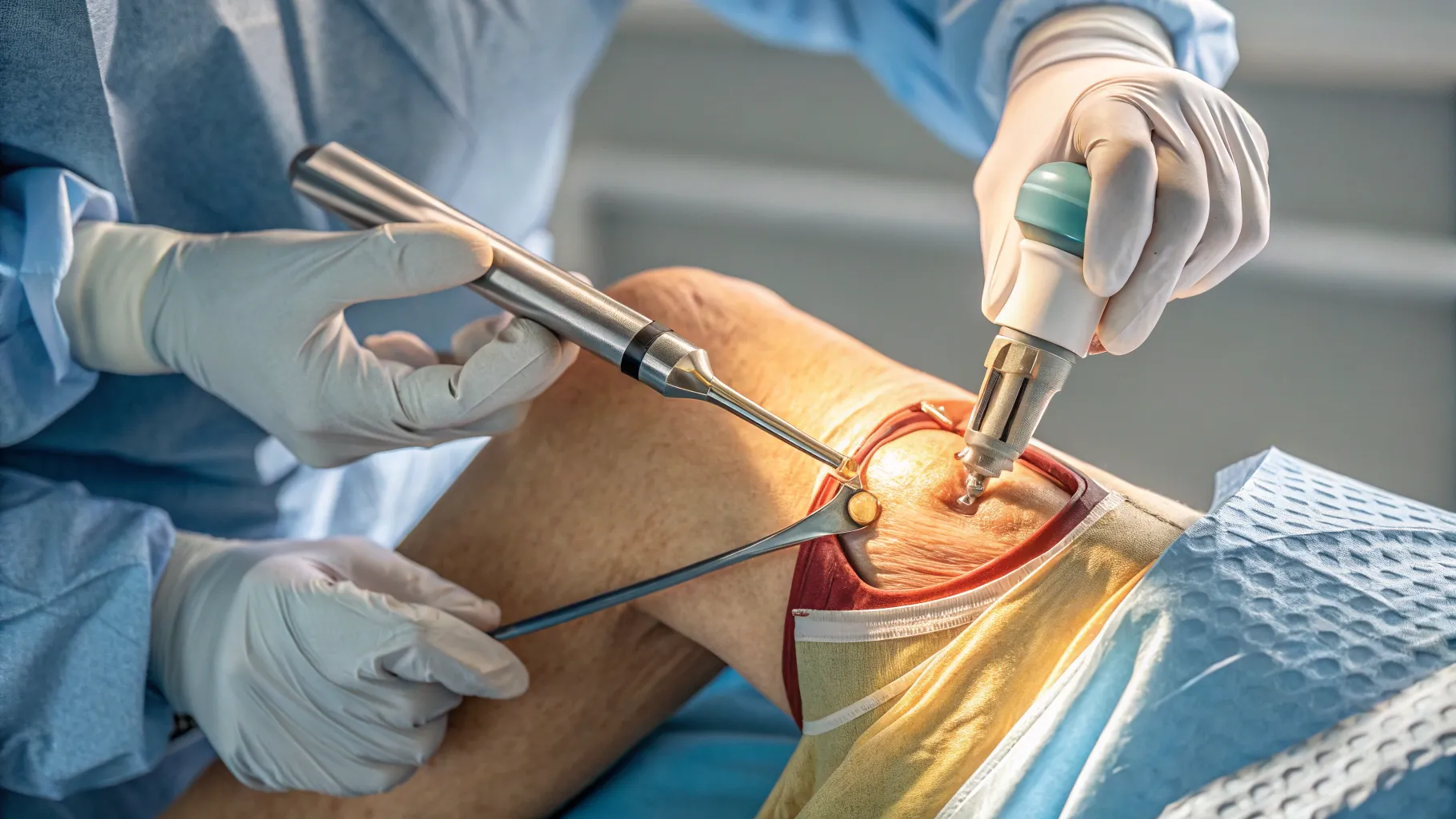
Types of Knee Replacement: Total vs Partial Knee Replacement
When it comes to knee replacement surgeries, there are primarily two options available: total knee replacement (TKR) and partial knee replacement (PKR).
- Total Knee Replacement: This procedure involves replacing all of the knee joint surfaces. It's often recommended for patients whose arthritis impacts the entire joint, leading to severe pain and dysfunction. A total knee replacement can significantly reduce pain and improve functionality in the knee.
- Partial Knee Replacement: Also known as unicompartmental knee arthroplasty, this procedure replaces only the damaged part of the knee joint. It is ideal for patients with limited arthritis in only one part of the knee. The recovery is often faster compared to total replacement, and patients typically experience less pain afterward.
Choosing between TKR and PKR often depends on the extent of the damage to the knee, age, activity level, and overall health. For instance, in a recent study conducted by the Journal of Orthopedic Research in early 2025, it was found that around 25% of knee replacement surgeries were partial, indicating a trend toward more conservative options when feasible.
The Cost of Knee Surgery
One of the primary concerns for seniors considering knee replacement surgery is the cost. The price can vary widely based on several factors, including the type of surgery, geographic location, and whether the procedure is performed in a hospital or outpatient setting.
As of 2025, total knee replacement surgery can range from $40,000 to $70,000, while partial knee replacements generally cost between $30,000 and $50,000. It's important to note that many insurance plans cover a significant portion of these costs. According to a recent report from the American Academy of Orthopaedic Surgeons, almost 85% of patients have some form of health insurance that alleviates the financial burden of the procedure.
Recovery Timeline After Knee Surgery
The recovery timeline for knee replacement surgery, both total and partial, varies from one individual to another. However, most patients can expect a similar general timeline:
- Hospital Stay: Most patients stay in the hospital for one to three days post-surgery.
- Initial Recovery: After discharge, it's common for seniors to experience pain and swelling for several weeks. Pain management is critical during this period.
- Physical Therapy: Engaging in physical therapy is crucial to regain strength and improve range of motion. Therapy typically begins within a few days of surgery and continues for several weeks. Most patients attend therapy sessions for about 8 to 12 weeks.
- Returning to Daily Activities: Many patients return to light activities within 6 to 8 weeks post-surgery, but high-impact sports may take 6 months or longer.
Each recovery process is unique, with many factors influencing how quickly someone heals. Active engagement in rehabilitation exercises and following the surgeon's post-operative guidelines can significantly enhance recovery outcomes.
Physical Therapy After Knee Surgery
Physical therapy is essential after any knee replacement surgery. It helps to restore movement and strength while minimizing complications. Physical therapists often work on specific goals such as:
- Improving range of motion to allow for daily activities like walking and climbing stairs.
- Increasing strength in the muscles supporting the knee.
- Teaching patients how to use assistive devices, if necessary.
Most rehabilitation programs include exercises that focus on flexibility and strength. It’s essential for seniors to remain consistent with their therapy sessions and practice at home under professional guidance.
Surgery Risks and Complications
Like any major surgery, knee replacement carries risks and potential complications. While serious complications are rare, it’s important for seniors to be informed. The potential risks include:
- Infection: While advanced surgical techniques have reduced the incidence of infection, it remains a potential risk.
- Blood Clots: After surgery, some patients may develop blood clots in their legs, which can lead to pulmonary embolism.
- Joint Stiffness: A common post-operative issue, stiffness may limit movement but can often be reduced with physical therapy.
Recent statistics show that around 1% of patients may experience severe complications stemming from knee replacement, emphasizing the importance of choosing a qualified surgeon and hospital.
How to Choose an Implant
Choosing the right implant is crucial for your overall satisfaction and mobility post-surgery. With a plethora of options available, engaging with your orthopedic surgeon is vital.
- Types of Implants: There are variations like fixed-bearing, mobile-bearing, and custom implants tailored to individual anatomy.
- Material Composition: Most implants are made from metal alloys and high-grade plastic, but it’s essential to understand what materials fit best for your specific condition and lifestyle.
- Surgeon’s Experience: Surgeons often have preferences based on their expertise and the outcomes they've observed. Discuss this openly with your provider.
Ultimately, understanding the various options, costs, recovery, and potential risks makes the decision about knee replacement surgery easier for seniors. The goal of these procedures is not just pain relief but restoring the ability to engage in cherished activities, and living life to the fullest is a priority worth pursuing.
Authored by FreshLifeWire team