Knee Replacement Surgery for Seniors Guide and Options
Knee Replacement Surgery for Seniors Understanding the Options
Knee replacement surgery has gained popularity as a solution for seniors dealing with chronic pain, arthritis, and limited mobility. As of 2025, medical advancements have allowed many older adults to experience significant relief and enhanced quality of life through this procedure. This guide will delve into the types of knee replacement surgeries available, the costs involved, potential risks, and recovery protocols aimed at helping seniors regain their independence.
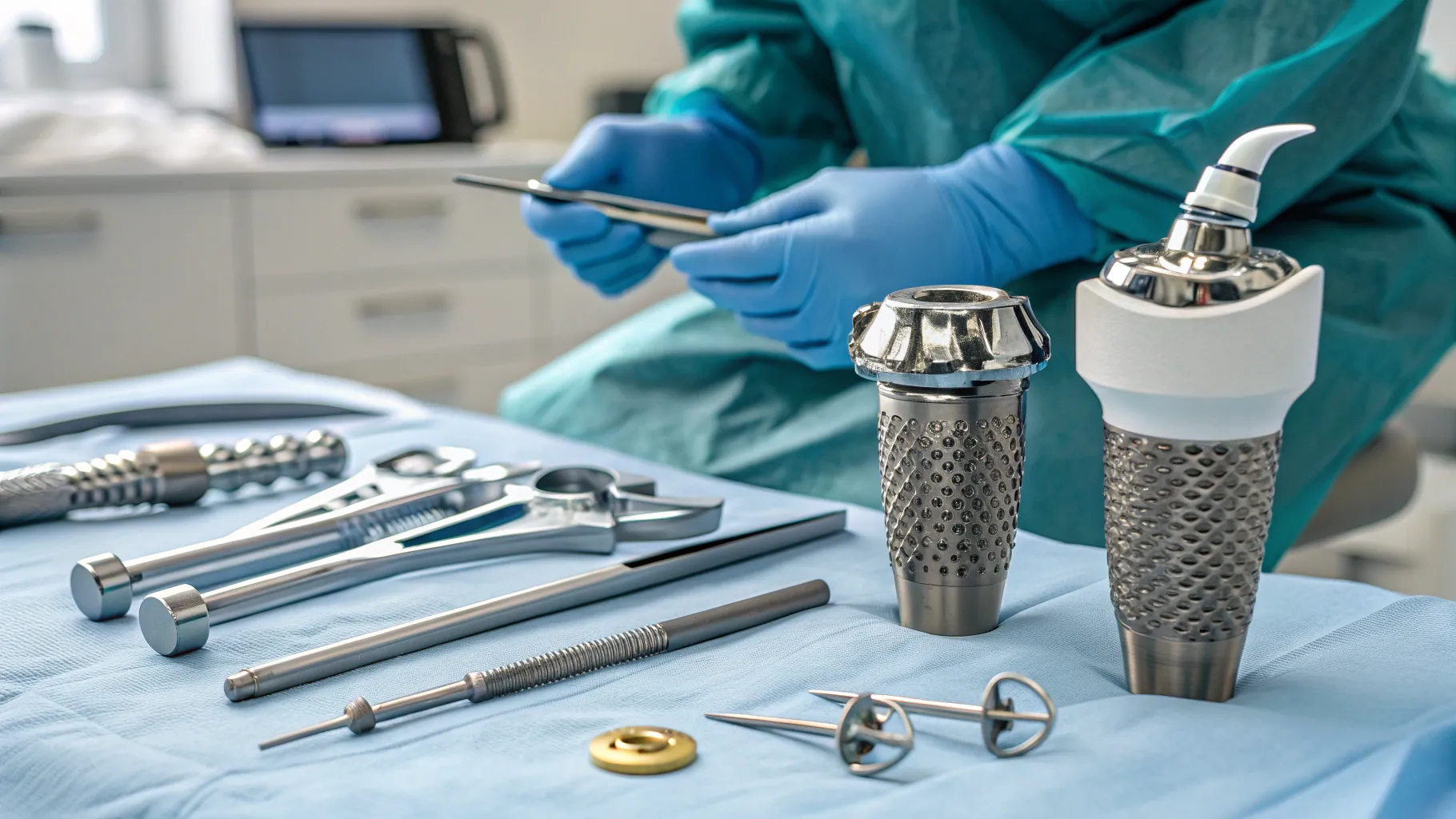
Types of Knee Replacement for Seniors
When considering knee replacement surgery, it's important for seniors to understand the two primary types of procedures: total knee replacement and partial knee replacement. Each option serves different needs and conditions, making it essential for patients to choose wisely.
Total Knee Replacement
Total knee replacement (TKR) is a procedure in which the damaged or arthritic parts of the knee joint are removed and replaced with artificial components. This type of surgery is often recommended for seniors who suffer from severe arthritis or significant joint damage. Total knee replacement can dramatically reduce pain and enhance mobility, enabling seniors to return to enjoying everyday activities, such as walking or dancing.
Partial Knee Replacement
Partial knee replacement (PKR) is an alternative for senior patients whose arthritis is localized to a specific area of the knee. By only replacing the damaged section, surgeons aim to preserve as much of the natural knee structure as possible. Many older adults favor this option due to a typically quicker recovery period and less postoperative pain compared to full knee replacement. If you have a limited range of knee damage, a partial knee replacement may allow you to regain mobility and return to your routine sooner.
The Cost of Knee Surgery
Costs associated with knee replacement surgery can differ widely based on several factors, including geographic location, the type of procedure performed, and the standard of care provided. As of 2025, the average cost for a total knee replacement in the United States ranges from $30,000 to $50,000, while partial replacements are generally less expensive, landing between $20,000 and $30,000. Many health insurance policies cover a significant portion of the expenses, but seniors should carefully check their policies and be prepared for any out-of-pocket costs.
Moreover, financing options or medical loans can also ease the burden of these costs, making knee replacement an attainable option for more seniors. It's vital to have a clear understanding of the expenses involved and explore financial support that may be available.
Surgery Risks and Complications
Knee replacement surgery, while generally safe and effective, carries certain risks that seniors must consider. Potential complications can include, but are not limited to:
- Infection
- Blood clots
- Nerve damage
- Prosthetic joint loosening or failure
Recent data reveals that about 2% of individuals undergoing knee replacement surgeries may experience serious complications. However, after weighing the risks against the potential benefits—specifically improved mobility and pain relief—most healthcare professionals deem the advantages to be substantial. Before proceeding with surgery, it's critical for seniors to engage in a detailed discussion with their orthopedic surgeon about the associated risks, ensuring they are well-informed and comfortable with the path ahead.
Recovery After Knee Replacement
The period following knee replacement surgery is crucial for achieving optimal results. Seniors can generally expect to spend one to three days in the hospital to manage pain, monitor recovery, and initiate rehabilitation protocols. Adhering strictly to the doctor's instructions during this phase is vital for healing effectively.
Physical Therapy After Knee Replacement
Physical therapy is integral to the recovery journey after knee replacement surgery. A few days post-surgery, patients typically meet with a licensed physical therapist to begin tailored rehabilitation exercises focusing on strength, flexibility, and overall mobility. This can include gentle stretches progressing to more intensive strengthening workouts. The aim is to help seniors regain their independence rapidly and safely.
Research suggests that a well-structured rehabilitation program can significantly decrease the risk of complications. Many seniors report feeling stronger and more mobile within six weeks of surgery, thanks to physical therapy. This support is essential not just for healing but also in regaining the confidence needed to return to daily activities and hobbies they love.
Best Orthopedic Clinics for Knee Replacement
Choosing the right clinic for knee replacement surgery is an essential step for seniors. When searching for the best facilities, consider their reputation, the experience of the surgeons, and patient outcomes. A facility’s location can also be important for convenient follow-up appointments and rehabilitation sessions.Some of the most renowned orthopedic clinics, known for their excellence in knee replacement procedures, include:
- Mayo Clinic
- Cleveland Clinic
- Johns Hopkins Hospital
These institutions offer advanced surgical techniques and comprehensive post-operative care tailored to each patient's unique needs. This commitment to quality enhances the likelihood of successful surgery and smooth recovery, helping seniors get back to their vibrant lives.
In summary, if you are among the many seniors seeking relief from chronic knee pain, exploring the various options for knee replacement surgery provides valuable insights into improving your quality of life. By understanding the types of knee replacements, examining costs, being aware of potential risks, and adhering to recovery protocols, seniors can take vital steps toward enhanced mobility and overall well-being. Embracing the support from top orthopedic clinics ensures a higher chance of a successful surgery and rehabilitation, paving the way for renewed independence and broader horizons in life.
Authored by FreshLifeWire team