Ultimate Kitchen Chimney Buying Guide
Kitchen Chimney Buying Guide
Cooking can be a delightful yet messy affair, especially when it comes to Indian cuisine, which often involves frying and grilling. A good kitchen chimney not only enhances the aesthetics of your cooking space but also ensures that smoke, odors, and grease are effectively removed, leaving your kitchen fresh. However, with so many options available in the market, choosing the right kitchen chimney can seem overwhelming. This comprehensive kitchen chimney buying guide will provide you with the insights to make an informed decision.
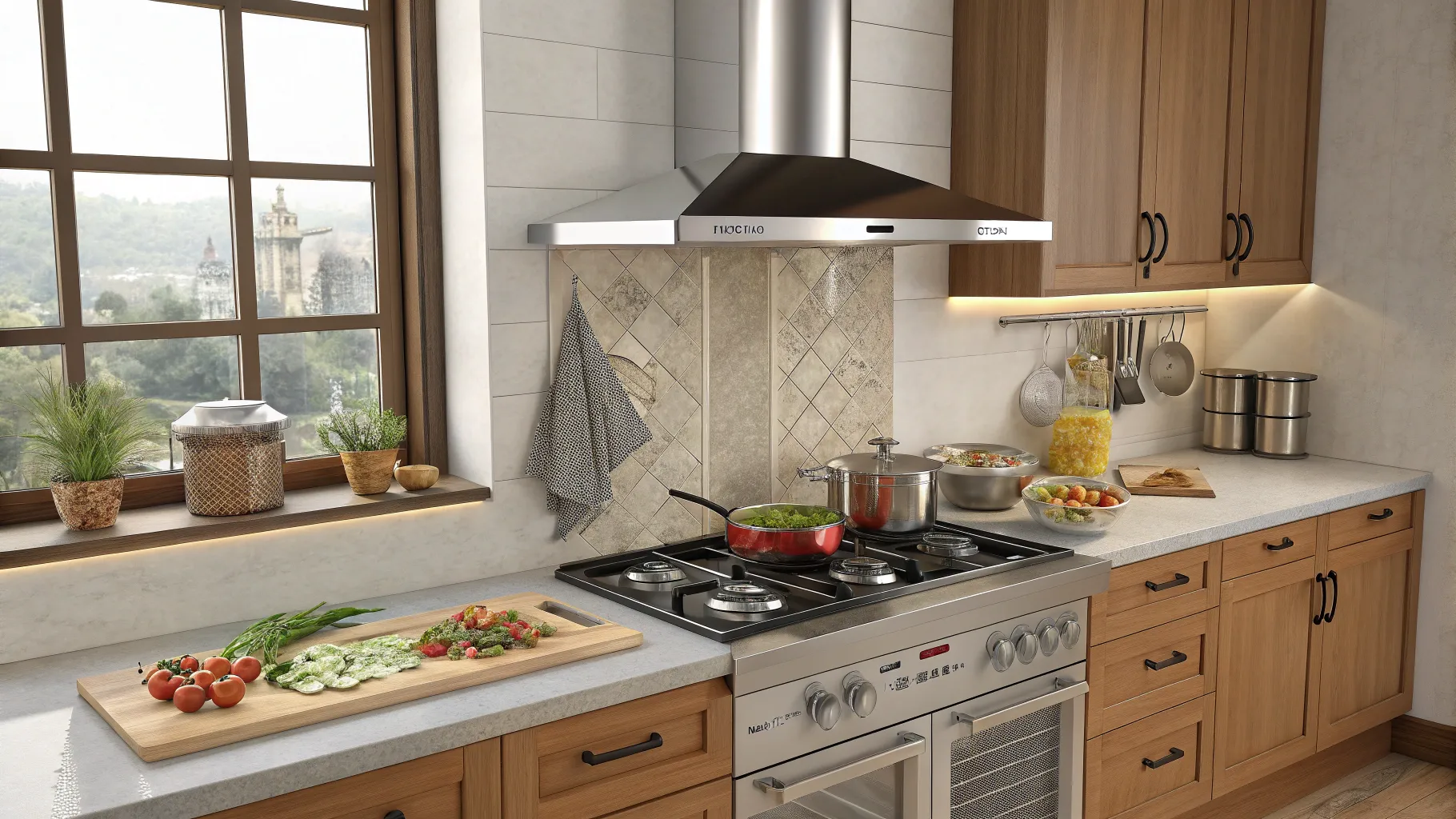
Types of Kitchen Chimneys for Home
When selecting a kitchen chimney, it's crucial to understand the different types available. The two primary types of kitchen chimneys are:
- Ducted Kitchen Chimneys: These are designed to vent smoke and fumes outside through ducting. They are highly effective for Indian cooking, where a lot of smoke and grease is generated. Ducted chimneys usually offer better suction power and filtration efficiency.
- Ductless Kitchen Chimneys: Also known as recirculating chimneys, these filter and recycle the air back into the kitchen after trapping grease and odors in filters. While easier to install and maintain, they generally have less suction power, making them less ideal for heavy cooking.
How to Choose Kitchen Chimney
Choosing the right kitchen chimney involves considering several factors, particularly if you are an avid cook who often prepares spicy Indian dishes. Here are key points to focus on:
1. Size and Placement:The size of the chimney should complement your stove size. A general guideline is to select a chimney width that matches or is wider than your cooking range. For standard four-burner gas stoves, a chimney that is 60 cm wide is ideal.
2. Suction Power:Suction power is measured in cubic meters per hour (m3/h). For Indian cooking, look for a chimney with a minimum suction power of 1000 m3/h to efficiently remove smoke and odors. Brands like Faber and Elica provide excellent options in this regard.
3. Filter Type:Chimneys come with different types of filters: baffle filters, mesh filters, and activated carbon filters. Baffle filters are preferred for their ability to trap larger particles and allow for higher airflow, making them more suitable for heavy cooking.
4. Noise Levels:It’s essential to check the noise levels of the kitchen chimney. Many models claim to operate quietly, with noise levels around 55 dB being considered acceptable for a comfortable cooking experience.
Common Mistakes When Buying Kitchen Chimneys
Many buyers make hasty decisions when purchasing a kitchen chimney. Here are common mistakes to avoid:
- Ignoring Kitchen Size: Selecting a chimney that is too small for your kitchen size can result in inadequate ventilation.
- Underestimating Suction Needs: Opting for a model with insufficient suction power for heavy cooking will lead to an unsatisfactory kitchen environment.
- Overlooking Maintenance: Choosing a chimney with filters that are difficult to clean or replace can add to the long-term upkeep costs.
Kitchen Chimney Installation Tips
Installing your kitchen chimney correctly is just as important as choosing the right model. Here are some installation tips to consider:
- Height Placement: Ideally, a chimney should be installed 24 to 30 inches above the cooktop. This height ensures optimal suction without interfering with cooking.
- Ducting: If you opt for a ducted chimney, ensure that the ducting pathway is as straight and short as possible. This maximizes airflow and efficiency.
- Electrical Requirements: Ensure that the area where you install the chimney has a nearby power outlet to avoid using extension cords.
Ducted vs. Ductless Kitchen Chimney
As you consider your kitchen chimney options, evaluating the advantages and disadvantages between ducted and ductless systems is crucial:
Ducted Advantages:- Higher suction capacity
- Better odor elimination
- Ideal for Indian cooking
- Easy installation with no ductwork required
- Lower overall cost
- Suitable for apartments and homes without external exhaust options
Kitchen Chimney Size Guide
Choosing the right size chimney not only improves aesthetics but also optimizes functionality. If you have a cooking range that’s 3-4 burners, a chimney width of 60 cm is typical. However, for larger setups, consider sizing up to 90 cm. Always ensure the height corresponds to the height of your cooktop.
Kitchen Chimney Price Comparison
The price of kitchen chimneys can vary significantly based on brand, model, and features. On average, ducted chimneys range from $200 to $800, while ductless ones may cost between $150 and $500. Top brands like Bosch, Elica, and Kajaria offer various price points, so it’s advisable to compare before making a decision.
In recent months, models equipped with smart technology that can be controlled via mobile apps have emerged in the market, although these often come at a premium price. Investing in a quality kitchen chimney is crucial, especially for those who cherish the ambience of a smoke-free cooking experience. Remember, your kitchen chimney is more than just an appliance; it’s an essential part of your cooking journey.
Authored by FreshLifeWire team