Complete Kitchen Chimney Buying Guide for Home Cooks
Kitchen Chimney Buying Guide
When it comes to maintaining a fresh and clean kitchen, a kitchen chimney is a vital appliance for any home cook. With cooking styles evolving, particularly in Indian households where rich and aromatic dishes are often prepared, understanding the various types of kitchen chimneys now available is essential. In this comprehensive kitchen chimney buying guide, we’ll walk you through everything you need to know—from the types available to installation tips, avoiding common mistakes, and how to choose the perfect chimney for your home.
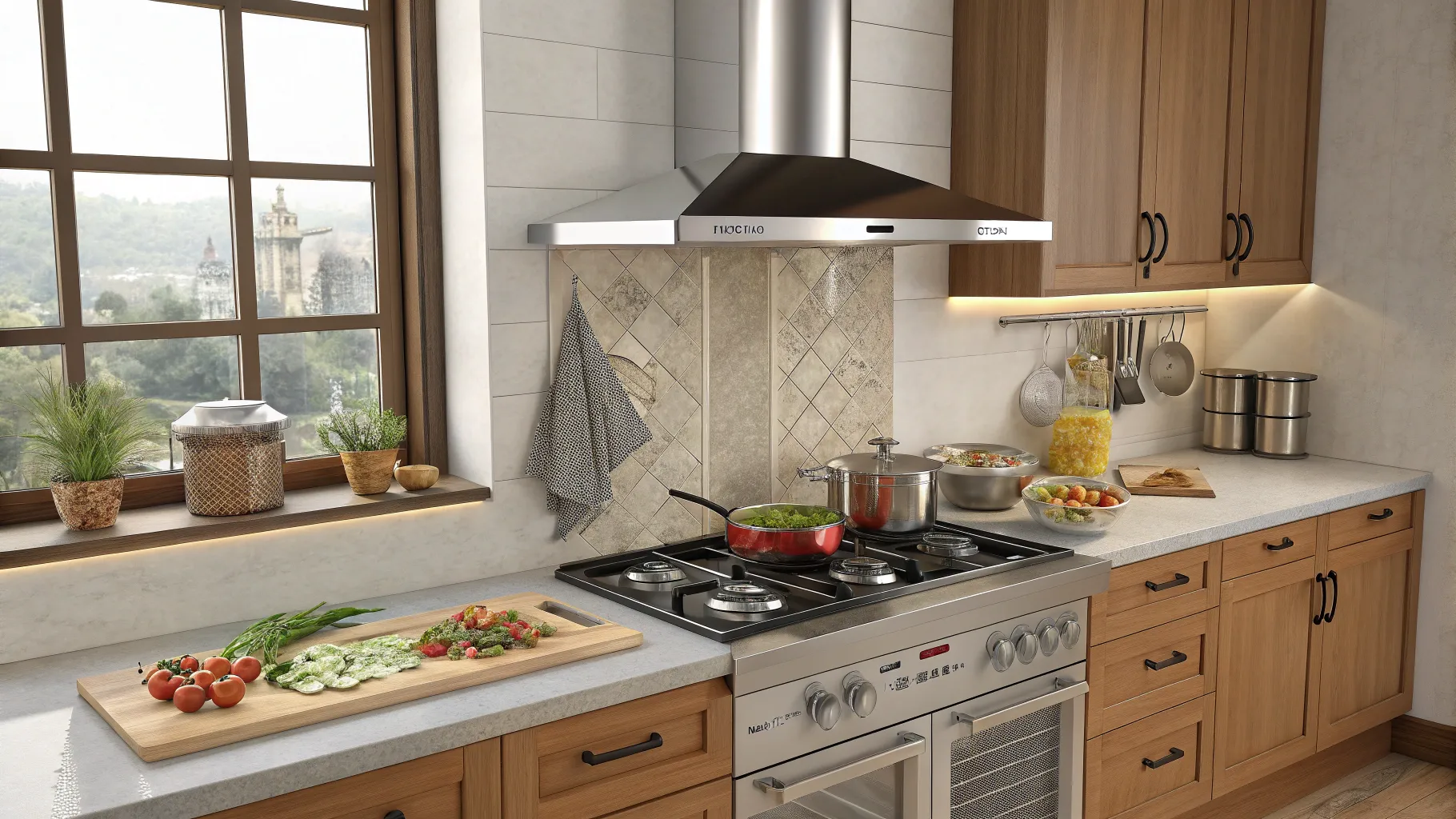
Types of Kitchen Chimneys for Home
- Ducted Kitchen Chimney: This type vents the smoke and odors outside through ducts. It’s very effective for heavy cooking styles like those typical in Indian kitchens. Ducted chimneys come in both wall-mounted and island models.
- Ductless Kitchen Chimney: Ideal for apartments or homes where duct installation is not feasible. These chimneys use filters to clean the air and recirculate it back into the kitchen. Recent models have made significant advancements in filtration systems.
- Wall-Mounted Kitchen Chimneys: Mounted on the wall above the cooking range, these chimneys are a practical choice for smaller kitchens.
- Island Kitchen Chimneys: If your stove is in the middle of the kitchen island, an island chimney will be a stylish and functional choice that adds a modern touch.
- Built-in Kitchen Chimneys: These are integrated into your kitchen cabinetry, offering a seamless look while maintaining efficiency.
How to Choose Kitchen Chimney
When selecting a kitchen chimney, consider several factors:
- Type of Cooking: If your cooking involves a lot of frying and grilling, opt for ducted models as they can effectively handle the smoke and odors.
- Size: The size of the chimney should correlate with your cooking area. Ideally, the chimney should be at least as wide as the cooking range for optimal performance.
- CFM Rating: The CFM (Cubic Feet per Minute) rating indicates the airflow capacity. For Indian cooking, choose a chimney with a higher CFM rating (around 600 to 1200 CFM) to effectively clear out fumes.
- Noise Levels: Look for models that operate quietly. Modern chimneys now feature noise levels as low as 50 decibels, which promotes a peaceful cooking experience.
- Filter Type: Baffle filters are great for heavy cooking because they are easier to clean and more efficient compared to mesh filters.
Common Mistakes When Buying Kitchen Chimney
Purchasing a kitchen chimney without adequate research can lead to dissatisfaction. Here are some frequent errors to avoid:
- Ignoring Kitchen Size: Choosing a chimney that’s too small for your kitchen can lessen efficiency. Always check your kitchen's air size before making a decision.
- Not Considering Ventilation Options: Many homeowners neglect to analyze whether a ducted or ductless option is the best fit for their kitchen setup.
- Overemphasizing Aesthetics: It’s easy to get swayed by stylish designs, but functionality should take precedence. The chimney’s ability to effectively capture smoke is essential.
- Neglecting Installation Requirements: Be sure to understand the installation needs and costs associated with ducted and ductless options, as this could affect your overall selection.
Kitchen Chimney for Indian Cooking
Indian cooking often involves high heat and extensive frying, which can create significant smoke. Therefore, selecting the right kitchen chimney for Indian cooking requires careful thought. Here’s what to keep in mind:
- High CFM Rating: A higher CFM rating is prudent. Most expert recommendations suggest a minimum of 800 CFM for Indian kitchens.
- Durable Filters: Opt for baffle filters due to their efficacy in trapping grease while ensuring easy cleaning. Stay away from mesh filters, given their tendency to clog.
- Design Orientation: Wall or island installations should fit comfortably with your cooking arrangement. Not only do they need to complement the overall kitchen design, but they also need to be at an adequate height above your stovetop.
Kitchen Chimney Installation Tips
Proper installation is crucial for the successful operation of your kitchen chimney. Consider the following tips:
- Height Adjustment: Ensure the chimney is installed at the right height. Typically, it should be 24 to 30 inches above the cooktop.
- Seal Ducts Properly: If you are using a ducted chimney, making sure the ducts are sealed can prevent air leaks, enhancing efficiency.
- Regular Maintenance: To ensure longevity, clean your filters regularly, ideally every 30 to 60 days. This is crucial for maintaining airflow and capturing cooking odors effectively.
Ducted vs. Ductless Kitchen Chimneys
Both ducted and ductless kitchen chimneys serve the same purpose but achieve it differently. Here’s a quick comparison:
- Ducted: Vents out smoke and odors outside, making it more effective for heavy Indian cooking. Installation is more complex and often more costly due to required ductwork.
- Ductless: Circulates air through filters and back into your kitchen, making it easier to install. However, it may require more frequent filter changes.
Kitchen Chimney Size Guide
Choosing the right size chimney is critical. Start by measuring the width of your cooking range. It's recommended that your chimney be at least the same width as the cooking area. If your kitchen is larger, consider going wider for enhanced performance. Furthermore, the height of the chimney should be adjustable based on your kitchen layout—whether it’s a compact or spacious kitchen.
Ultimately, selecting the right kitchen chimney can transform your cooking experience, especially for Indian cooking, where flavor and aroma are central to the cuisine. By following this buying guide, you can make an informed choice and enjoy a fresher, cleaner cooking environment for years to come.
Authored by FreshLifeWire team