The Ultimate Guide to Kimberley Coast Expedition Cruises for Seniors
The Kimberley region in Western Australia is one of the last true wilderness areas on the planet. A Kimberley coast cruise provides an unparalleled opportunity to see ancient geological formations, cascading waterfalls, and rich Indigenous rock art. For seniors, an expedition cruise offers a comfortable yet adventurous way to explore this vast coastline without the need for rugged overland travel.
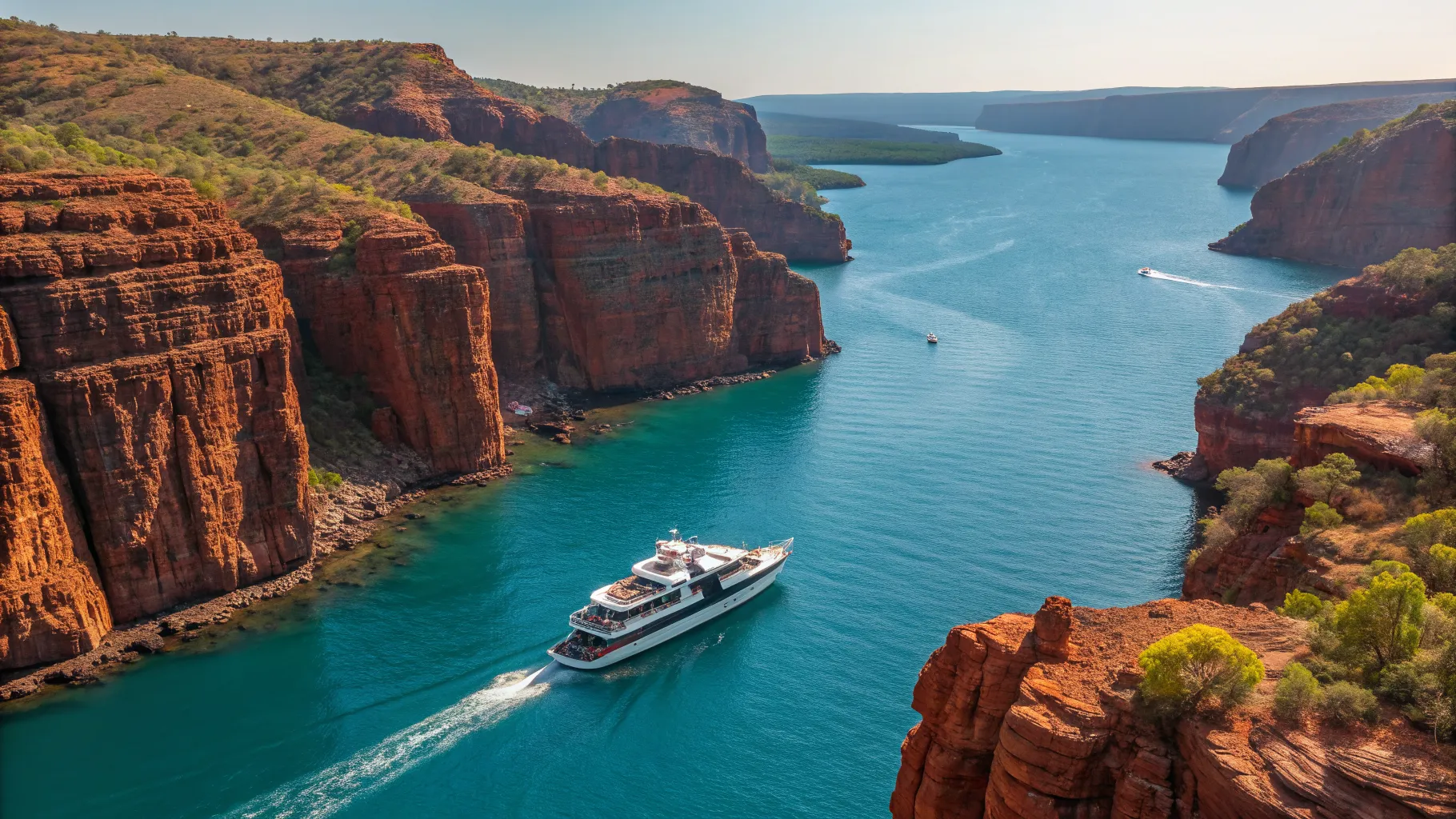
Understanding the Kimberley Coast Cruise Experience
Unlike traditional ocean cruising, a Kimberley expedition cruise focuses heavily on destination immersion. Passengers spend their days exploring hidden inlets on small tender boats, known as Zodiacs, and observing the diverse marine and bird life. The onboard experience is typically intimate, featuring expert guides who provide daily lectures on the history, geology, and ecology of the region.
This style of travel is highly educational and heavily focused on nature. Days start early to catch the best tides and lighting for photography. While the days are filled with structured excursions, the evenings are generally relaxed, allowing travelers to unwind and discuss the day over dinner with fellow passengers.
Choosing the Right Expedition Ship
Selecting the appropriate vessel is a critical step when planning a Kimberley cruise for seniors. Ships navigating this region generally range from small, boutique vessels carrying fewer than forty passengers to larger, purpose-built expedition ships that can accommodate over a hundred guests. Smaller ships can access shallower bays and narrower river systems, offering a highly personalized experience.
Larger expedition vessels often provide more onboard amenities, which can be highly beneficial for older travelers. These amenities might include spacious lounges, elevators between decks, medical facilities, and multiple dining options. When researching a kimberley expedition cruise package, it is important to review the deck plan and mobility accommodations of the specific ship to ensure it meets your comfort requirements.
Typical Western Australia Cruise Itineraries
A standard Western Australia cruise itinerary along the Kimberley coast usually spans between ten and fourteen days, operating primarily between the towns of Broome and Darwin. These routes are meticulously planned to showcase the most iconic natural landmarks of the region, though schedules remain flexible to account for the dramatic tidal shifts that dictate coastal navigation.
- Horizontal Falls: A natural phenomenon where massive tidal currents squeeze through narrow coastal gorges, creating a breathtaking visual effect.
- Montgomery Reef: An expansive reef system that appears to rise out of the ocean as the tide recedes, revealing cascading water and abundant marine life.
- King George Falls: The highest twin waterfalls in Western Australia, offering a spectacular sight early in the season when the water flow is at its peak.
- Vansittart Bay: Home to ancient Gwion Gwion rock art and fascinating historical remnants from World War II.
Accessibility and Physical Requirements
While an expedition cruise is designed to be accessible, navigating the Kimberley coast does require a certain level of physical mobility. Daily excursions almost always involve stepping into and out of rigid inflatable boats. These transfers require passengers to have adequate balance and leg strength, although crew members are always present to provide a steadying hand.
Shore excursions frequently involve walking over uneven terrain, navigating rocky shorelines, or climbing slight inclines to reach rock art sites and swimming holes. Many cruise operators offer excursions graded by difficulty, allowing passengers to choose activities that match their fitness levels. Seniors should consult with cruise operators about their physical limitations prior to booking to ensure the chosen itinerary aligns with their capabilities.
Kimberley Coast Cruise Pricing Guide
Understanding the costs associated with these voyages is essential, as the remote nature of the region makes these expeditions a significant investment. A comprehensive kimberley coast cruise pricing guide will show that fares vary widely based on the size of the vessel, the duration of the trip, and the level of luxury provided. Budget-friendly options might offer shared facilities, while luxury vessels provide spacious suites with private balconies.
Many travelers opt for an all inclusive kimberley cruise to simplify their travel budget. These comprehensive packages generally cover onboard meals, select beverages, daily excursions, and expert guide services. However, it is vital to read the fine print to determine if additional expenses, such as scenic helicopter flights, pre-cruise hotel stays, or specific premium beverages, are excluded from the initial fare.
Best Times of Year to Travel
The Kimberley cruise season operates during the dry season, which typically runs from April to October. Travelling at the beginning of the season, in April or May, means the region will be lush and green from the recent wet season. The waterfalls will be flowing at their maximum capacity, providing spectacular viewing opportunities from the ship and tender boats.
As the season progresses into June, July, and August, the weather becomes cooler and more comfortable, which is often preferred by senior travelers. This mid-season period is peak time for tourism in Western Australia due to the predictable, sunny days and lower humidity. By September and October, the temperatures begin to rise again, and while the waterfalls may be reduced to a trickle, the wildlife viewing, particularly whale watching, is often exceptional.
What to Pack for a Kimberley Expedition
Packing correctly can significantly enhance your comfort during a Kimberley expedition. The climate is tropical, meaning lightweight, breathable, and sun-protective clothing is essential for daytime excursions. Moisture-wicking fabrics and long-sleeved shirts offer excellent protection against the intense Australian sun.
- Footwear: A pair of sturdy, comfortable walking shoes for dry landings and a pair of water shoes or amphibious sandals for wet landings.
- Sun Protection: A wide-brimmed hat, high SPF sunscreen, and polarized sunglasses to reduce the glare from the water.
- Evening Wear: Casual, comfortable clothing for dinner on board, as most expedition ships maintain a relaxed dress code without the need for formal attire.
- Camera Gear: A good quality camera with a zoom lens to capture wildlife from a distance, along with protective waterproof bags to keep electronics safe on the small boats.
Authored by FreshLifeWire team