Kidney Disease Symptoms and Prevention Strategies for Adults
Understanding Kidney Disease Symptoms in Adults
Kidney disease continues to be a significant health concern for adults across the United States in 2025, impacting approximately one in seven individuals. Chronic kidney disease (CKD) is all too common and frequently progresses without noticeable symptoms until it reaches critical stages. Raising awareness about kidney health, recognizing symptoms early on, and advocating for prompt medical intervention are essential steps towards combating this pervasive issue.
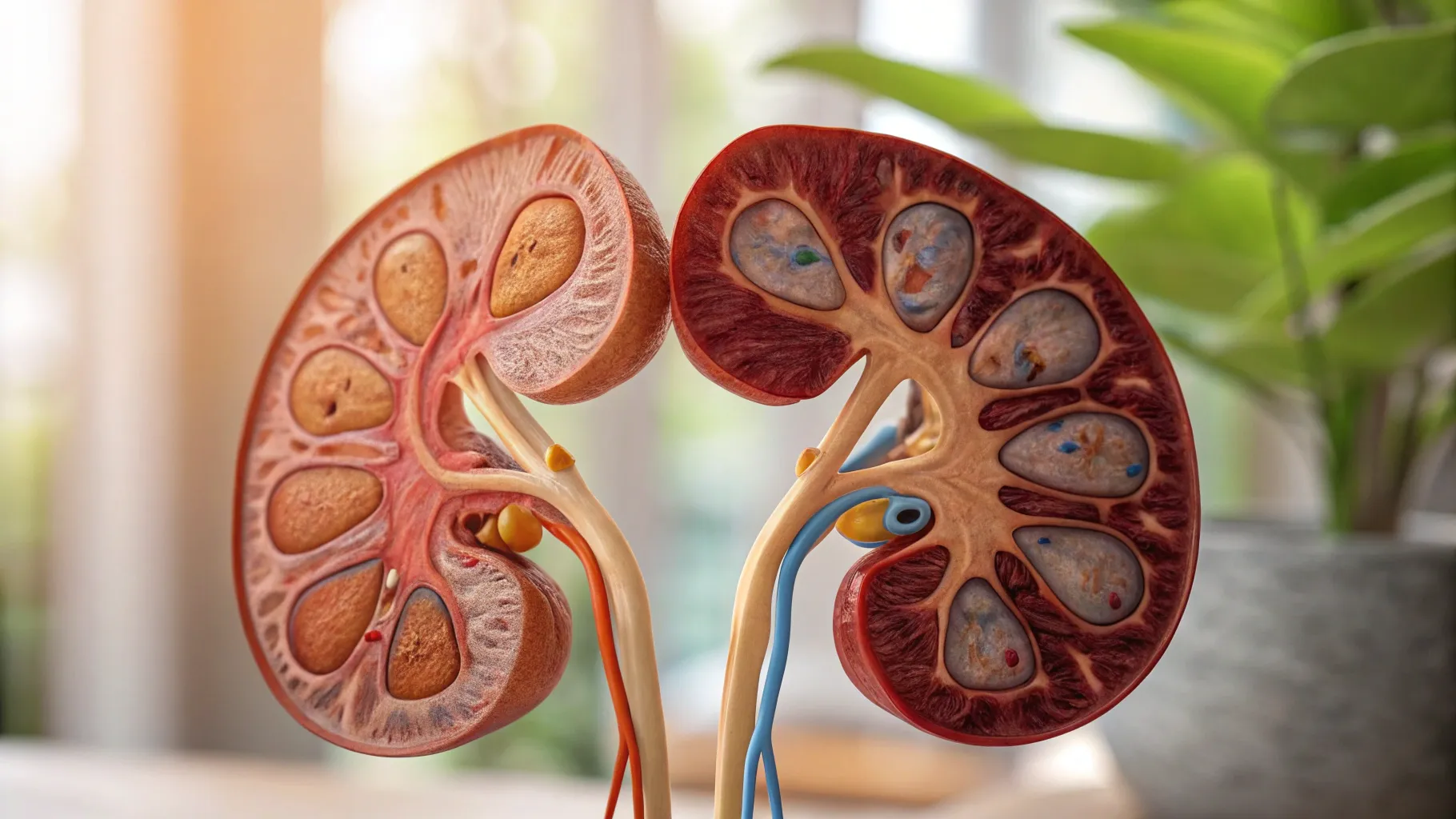
Common Symptoms of Kidney Disease
Being able to identify kidney disease symptoms plays a crucial role in securing timely diagnosis and effective management. Below are some common symptoms that adults should watch for:
- Fatigue and Weakness: As kidneys begin to falter in eliminating wastes from the bloodstream, toxic substances can accumulate, leading to fatigue that does not improve with rest. Many adults report chronic tiredness that becomes a part of their daily life, often attributing it to stress or lack of sleep without recognizing potential underlying kidney issues.
- Changes in Urination Patterns: Pay attention to any unusual changes in urination. Increased frequency, urgency, or nocturia—waking up during the night to urinate—can all indicate potential kidney problems. Additionally, if you notice your urine color changing to darker shades or even becoming cloudy, this might signal something concerning.
- Swelling: Fluid retention, or edema, can occur when kidneys function poorly, causing swelling in the legs, ankles, and sometimes in the face. This can lead to discomfort and reduced mobility, making daily activities more difficult and signaling the need for a medical evaluation.
- High Blood Pressure: The kidneys have an essential role in regulating blood pressure. Damaged kidneys can contribute to hypertension, making regular blood pressure checks a vital part of managing kidney health. In fact, recent studies indicate that nearly 50% of patients with CKD also suffer from hypertension, compounding their health risks.
- Metallic Taste in the Mouth: Accumulating waste products like urea can alter taste, often resulting in a metallic taste in the mouth. This symptom, often accompanied by bad breath known as "uremic breath," typically intensifies as kidney function declines, impacting nutrition and quality of life.
- Skin Rashes and Itching: Dry, itchy skin and unexplained rashes may be direct consequences of toxin buildup due to inadequate kidney function. Individuals may find that these skin changes provide essential clues about their kidney health, presenting opportunities for discussions with medical professionals.
Paying attention to these symptoms can significantly improve the likelihood of receiving timely medical intervention. Should you observe any of these signs, seeking a kidney function test from a healthcare professional is imperative.
What is a Kidney Function Test?
As of 2025, kidney function tests have become increasingly accessible and precise in evaluating how well your kidneys filter blood. These tests are critical for assessing kidney health and identifying potential issues early. Key types of kidney function tests include:
- Blood Tests: Blood tests that measure levels of serum creatinine and blood urea nitrogen (BUN) provide crucial insights into kidney function. Abnormalities in these levels might indicate the presence of kidney disease, necessitating follow-up tests.
- Urine Tests: A urinalysis can offer valuable information about your kidney and urinary tract health. By analyzing the presence of protein, electrolytes, and waste products in the urine, healthcare providers can paint a clearer picture of kidney functionality.
- Imaging Tests: Advanced imaging techniques, such as ultrasounds and CT scans, allow physicians to visualize the structure of the kidneys. These tests can help highlight abnormalities, such as cysts or tumors, that may require further medical attention.
Preventing Dialysis through Healthy Lifestyle Choices
In light of the increasing rates of kidney disease, proactive preventive measures have become vital in delaying, or potentially averting, the need for dialysis. Here are some lifestyle choices that can help bolster kidney health:
- Stay Hydrated: Proper hydration supports optimal kidney functioning by aiding in waste elimination. However, individuals with pre-existing kidney issues should consult their healthcare providers to determine their ideal fluid intake.
- Eat a Balanced Diet: Emphasizing a diet rich in fresh fruits, vegetables, and whole grains while minimizing processed foods and salt can significantly benefit kidney health. Following a low-sodium diet allows the kidneys to function more effectively.
- Maintain Healthy Blood Pressure and Sugar Levels: Regular monitoring of blood pressure and blood sugar remains essential, especially for at-risk individuals with conditions like diabetes or hypertension. Keeping these levels in check can help reduce the strain on your kidneys.
- Incorporate Regular Exercise: Engaging in at least 150 minutes of moderate exercise per week can help maintain a healthy body weight and control blood pressure. Physical activity also positively influences overall well-being, benefiting both kidney function and cardiovascular health.
Monitor Your Kidney Health with Urine Color
An easy yet effective way to assess kidney wellness is by closely monitoring urine color and consistency. Here’s a quick guide to help you understand the implications of different urine colors:
- Light Yellow: This indicates proper hydration and reflects healthy kidney function.
- Dark Yellow: This shade may signal dehydration, suggesting the need for increased fluid consumption.
- Brown: This color might point towards liver issues or severe dehydration; seek immediate medical advice if this arises.
- Red or Pink: Typically indicates blood in the urine, necessitating prompt medical evaluation to rule out serious conditions.
- Cloudy or Murky: This appearance may suggest a urinary tract infection or kidney stones, requiring healthcare consultation for further investigation.
Maintaining awareness about urine color changes can facilitate early medical intervention, potentially avoiding serious health complications. Educating yourself about these signs and symptoms is not only critical for recognizing potential health issues but also plays a vital role in taking charge of your kidney health.
Increasing awareness, making informed lifestyle choices, and prioritizing medical check-ups are indispensable for maintaining kidney health. By actively managing one’s renal well-being, adults today can significantly enhance their quality of life while supporting ongoing kidney functionality.
Authored by FreshLifeWire team