Key Symptoms of Liver Cirrhosis You Should Know
Understanding the Symptoms of Liver Cirrhosis
Cirrhosis, a serious condition impacting the liver, involves the gradual replacement of healthy tissue with scar tissue. This process not only disrupts the liver's critical functions but can also lead to a range of severe health complications.
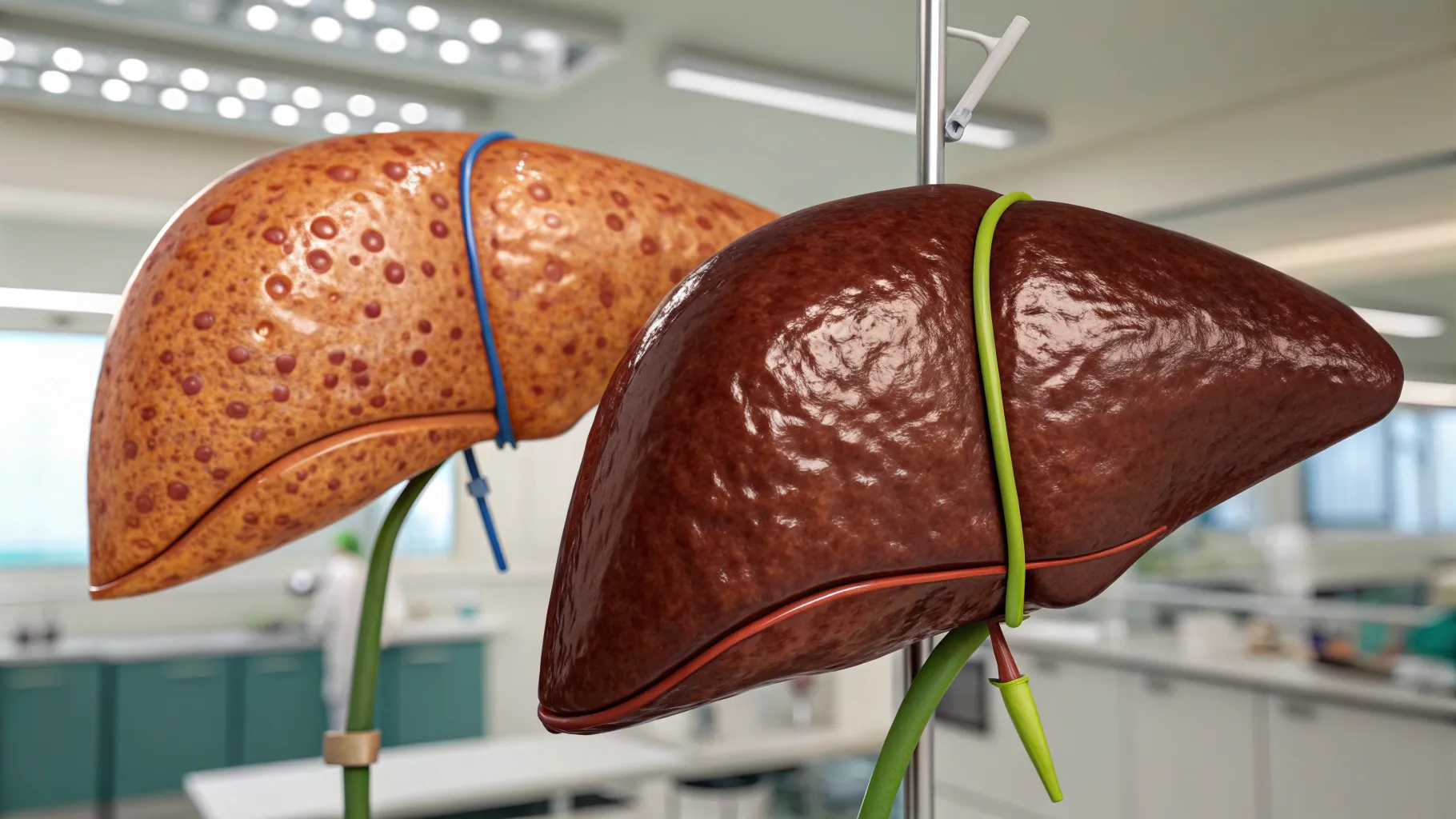
As individuals become more aware of the complexities surrounding liver health in 2025, understanding the symptoms associated with liver cirrhosis is crucial for early detection and intervention.
Common Symptoms of Liver Cirrhosis
The symptoms of liver cirrhosis can differ greatly depending on the individual and the stage of the disease. Some sufferers may experience mild effects while others face severe consequences. Here are the key symptoms to be vigilant about:
- Fatigue and Weakness: Persistent fatigue is one of the earliest signs of liver cirrhosis. Patients often feel more tired than usual, which does not improve with rest. This exhaustion is related to the liver's reduced efficacy in processing nutrients and managing metabolic waste.
- Loss of Appetite: Individuals with cirrhosis frequently experience a significant decline in appetite, which can lead to unintended weight loss. This reduced interest in food can compound nutritional deficiencies, exacerbating overall health deterioration.
- Abdominal Pain: Abdominal discomfort is common among cirrhosis patients, often resulting from liver swelling or complications such as ascites, which is the buildup of fluid in the abdominal cavity.
- Swelling of Legs and Abdomen: Patients may notice noticeable swelling, called edema, in their legs and abdomen as cirrhosis progresses. This swelling is primarily due to fluid retention stemming from increased pressure in the liver's blood vessels.
- Jaundice: One of the hallmark indicators of liver dysfunction is jaundice, which manifests as yellowing of the skin and the whites of the eyes. This condition occurs because the liver struggles to process bilirubin, a substance formed during the breakdown of red blood cells.
- Itchy Skin: Patients often report intense itching, known as pruritus. Though the underlying cause—likely the accumulation of bile salts in the bloodstream—is not entirely understood, it significantly impacts the quality of life.
- Mental Changes (Encephalopathy): Severe liver damage may lead to hepatic encephalopathy, resulting in confusion, forgetfulness, and altered consciousness. Such symptoms are due to the accumulation of toxins, affecting mental health and cognitive function.
It’s important to note that these symptoms can vary in severity and may intensify over time. Recognizing any combination of these signs and seeking medical advice can significantly influence treatment outcomes.
The Importance of Early Detection
Recognizing liver cirrhosis symptoms early is vital because it can greatly improve both the management and treatment of the disease. Recent advancements in medical technologies have made early diagnosis much easier, allowing for prompt interventions that can prevent complications from developing.
A recent study published in early 2025 found that early intervention can effectively prevent severe complications in over 60% of liver cirrhosis cases. Making minor adjustments to one’s lifestyle, like maintaining a balanced diet, avoiding alcohol, and exercising regularly, can significantly benefit liver health.
Healthcare providers increasingly endorse a comprehensive approach to liver health, which involves regular screenings for individuals at higher risk, such as those with a history of alcohol abuse or chronic viral hepatitis. The proactive approach can include different diagnostic tests such as blood tests, imaging studies, or even liver biopsies to evaluate liver function and extent of damage.
Statistics on Liver Cirrhosis
The numbers surrounding liver cirrhosis are startling. As of early 2025, an estimated 4.5 million people in the United States are living with this serious condition. This reflects an alarming growth rate of about 2% annually in recent years. What's more troubling is that liver disease has become the leading cause of mortality, surpassing traditional threats to public health.
Globally, the situation is equally concerning. In 2023, approximately 2 million deaths were attributed to liver diseases, a statistic that continues to rise. To combat this, public health initiatives worldwide are starting to focus more on educational campaigns aimed at increasing awareness about liver health, the risks associated with cirrhosis, and preventive measures.
For effective management, the medical community encourages individuals to remain alert to potential symptoms and to seek appropriate medical consultation without delay. With access to helpful resources and medical expertise, those impacted can significantly improve their quality of life.
When to Seek Medical Advice
If you are experiencing persistent symptoms related to liver cirrhosis or if you are in a high-risk category, it is crucial to consult a healthcare professional. It is generally recommended that individuals get evaluated whenever they notice unusual changes in health status. Such changes might include prolonged fatigue, difficulty maintaining appetite, or any signs of jaundice.
Medical evaluations often involve blood tests to assess liver function, imaging studies to visualize the liver structure, and other diagnostic measures with the aim to understand the extent of the damage. Depending on the findings, timely referrals to specialists, such as hepatologists, may be necessary to ensure tailored care that addresses individual health needs.
Listening to your body is fundamental. Every symptom serves as a signal that should prompt concern. Regular check-ups, notably for high-risk individuals, can lead to early detection and favorable treatment options which significantly impact overall health outcomes. Being informed can fortify your proactive measures against liver cirrhosis, granting you more control over your health journey.
Living with liver cirrhosis requires a multifaceted approach. By being vigilant about symptoms and obtaining medical guidance promptly, you can take essential steps toward ensuring better liver health and a better quality of life.
Authored by FreshLifeWire team