Is Social Media Harmful to Your Mental Health Effects
Exploring the Effects of Social Media on Your Mental Health
In the vibrant digital landscape of 2025, social media platforms are more than just tools for communication; they are deeply woven into the fabric of our everyday lives. Approximately 4.5 billion people across the globe now engage with these platforms, cultivating connections and sharing experiences. However, as we immerse ourselves in this virtual world, concerns about the impact of social media on mental health come to the forefront. Could the outlets that offer connection also lead to feelings of anxiety, loneliness, and depression? This article seeks to unpack this complicated relationship.
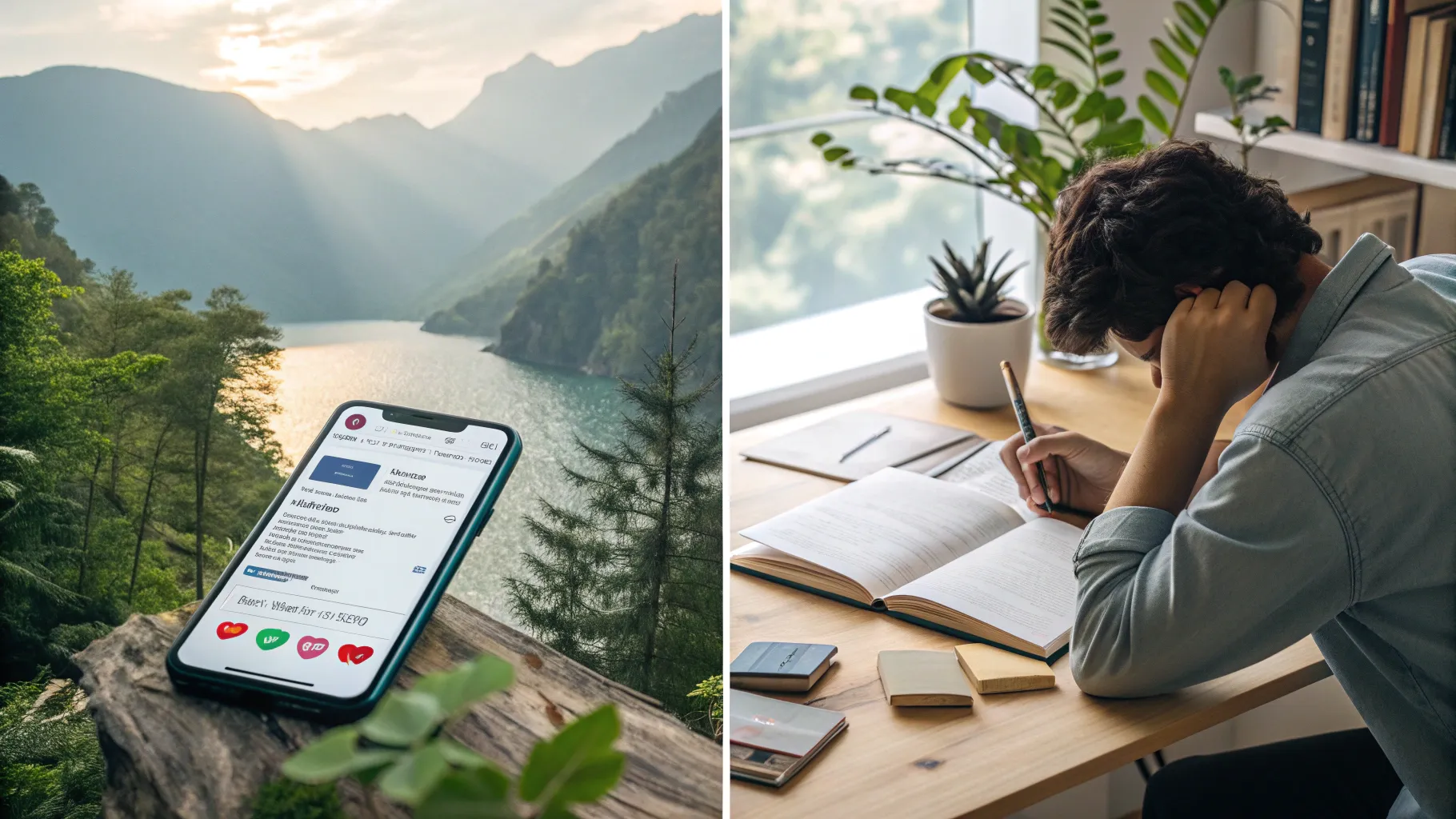
The Double-Edged Sword of Connectivity
On one hand, social media facilitates seamless interaction among friends and family, serving as a bridge across geographical divides. A recent study conducted in early 2025 found that 73% of participants reported increased happiness when connecting with friends online. This evidence underscores how social media can nurture relationships, sparking joy and a sense of belonging.
On the flip side, there are significant downsides to excessive use. Research from the Journal of Social and Clinical Psychology published in late 2024 indicated a troubling connection between prolonged social media engagement—specifically more than three hours daily—and escalated levels of depression, anxiety, and feelings of isolation. The phenomenon of users crafting idealized versions of themselves often leaves others feeling inadequate, deepening mental health struggles.
Impact on Self-Esteem and Body Image
One of the most profound effects of social media lies in its impact on self-esteem and body image. A staggering 56% of teenagers today frequently compare their appearances to those seen on their social media feeds. Particularly for young women, who are constantly bombarded with unrealistic beauty ideals presented by influencers, this comparison can result in a pronounced decline in self-esteem. The relentless pursuit of “likes” can create a false narrative, leading individuals to believe that their value hinges on engagement metrics.
The prevalence of edited images exacerbates this issue. Many users find themselves feeling less attractive when faced with the polished portrayals of others. Campaigns like #RealBeauty have emerged to counteract this trend by encouraging participants to post unfiltered photos, leading to a notable 30% increase in body positivity amongst participants. This reflects a growing movement towards embracing authenticity in online interactions, emphasizing that real beauty is not just skin-deep.
Cyberbullying and Its Consequences
Alongside the pressures of social comparison lies the alarming rise of cyberbullying. Anonymity and physical distance can embolden unkind behavior, making the digital world a hostile environment for many. Reports indicate that approximately 37% of adolescents aged 12 to 17 have encountered cyberbullying, with serious consequences for their mental well-being. Victims often experience heightened levels of anxiety and depression, which can sometimes lead to thoughts of self-harm.
In recent months, educational institutions and parents alike have recognized the pressing need for programs that promote digital citizenship and empathy. Initiatives launched in 2025 aim to equip young individuals with the skills necessary to navigate online interactions responsibly, fostering a culture characterized by kindness and respect. However, this responsibility does not lie solely with schools; it is equally vital for parents to monitor social media habits and maintain open dialogues about online experiences.
Creating Balance: Mindful Social Media Use
With the evident risks associated with social media usage, the question remains: how can we harness its benefits while minimizing adverse effects on mental health? Mindfulness in social media use emerges as a crucial theme. Here are some actionable strategies:
- Set Time Limits: Establish clear boundaries regarding daily social media use. Limiting engagement to a reasonable timeframe can diminish exposure to harmful content while reclaiming precious time for real-life relationships and interests.
- Curate Your Feed: Be selective with the accounts you follow. Prioritizing content that uplifts and inspires can significantly enhance your online experience, enabling you to focus on positivity.
- Engage Authentically: Shift from passive consumption to genuine interaction. Engage with friends by sending supportive messages and commenting on posts, thus fostering real connections.
- Unplug Regularly: Designate specific times each week to be entirely offline. This break can encourage reconnection with the immediate world around you, ultimately promoting mental clarity and overall well-being.
The Role of Social Media Companies
As the awareness surrounding mental health grows, social media platforms in 2025 have begun to implement measures aimed at protecting their users. Newly introduced features across major platforms are designed to help users manage their mental health experience while engaging online. For example, Instagram has made it possible for users to hide likes on their posts, easing the pressure associated with social validation.
Moreover, social media companies are increasingly active in addressing harmful content, including acts of cyberbullying and misinformation. By running mental health awareness campaigns and providing users with access to helpful resources, these platforms acknowledge their significant influence on user well-being.
As we navigate the constantly shifting world of social media, understanding its impact on mental health remains a pivotal aspect of our digital experience. Striking a balance in social media use may be the key to enjoying its benefits while safeguarding our emotional health. Through conscientious engagement and open conversations, we can create a healthier, more supportive online environment for everyone.
Authored by FreshLifeWire team