Is Social Media Harmful to Your Mental Wellbeing Effects
Understanding the Effects of Social Media on Your Mental Health
In today's digital landscape, social media has become more than just a tool for communication; it's a global phenomenon that significantly influences our daily lives. As of now, approximately 4.9 billion people utilize social media platforms, engaging in everything from connecting with friends to seeking out the latest news. However, this widespread engagement begs an essential question: what are the effects of social media on mental health?
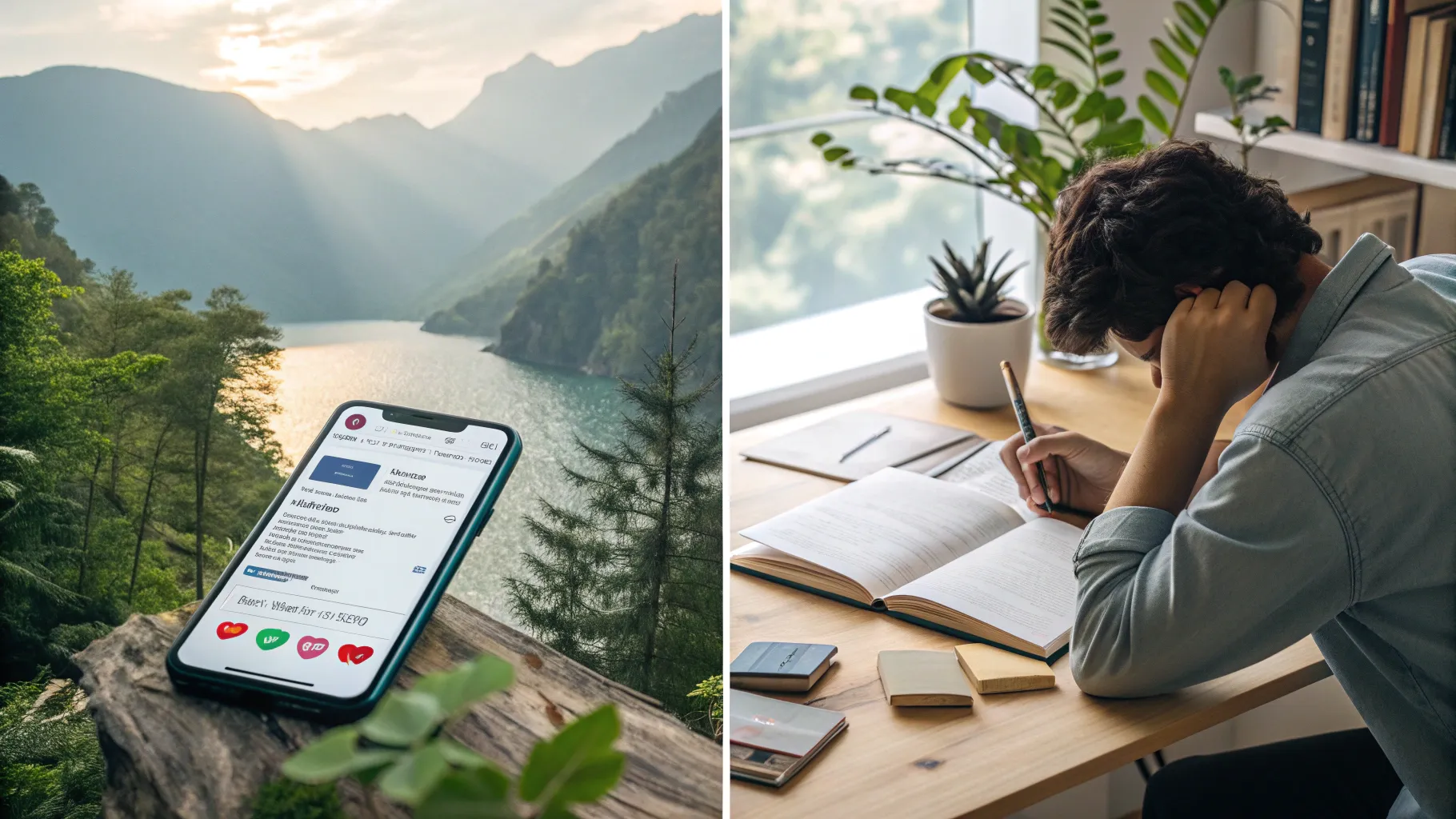
Balancing the Positive and Negative Aspects of Social Media
While social media undeniably provides several advantages, such as fostering connection and accessibility to information, it also brings with it a myriad of challenges that can adversely affect our mental well-being. By exploring both the positive and negative effects, we can better navigate this complex landscape.
Positive Effects of Social Media
- Enhanced Connectivity: One of the most significant benefits is the ability to stay in touch with loved ones regardless of where they are in the world. Whether it’s through instant messaging or video calls, social media creates stronger relationship bonds.
- Access to Mental Health Resources: Social media platforms often serve as valuable outlets for people seeking mental health support. Users can find self-help tips, professional advice, and connect with support groups, allowing them to address their mental health needs.
- Awareness and Advocacy: Numerous campaigns on social media have successfully raised awareness about mental health issues. For example, major movements aimed at destigmatizing mental illness have gained substantial traction, creating a community around shared experiences.
Negative Effects of Social Media
- Comparison and Envy: With the curated snapshot of life that social media presents, many users feel pressured to compare themselves against these idealized images. This constant comparison can result in feelings of inadequacy and a dip in self-esteem.
- Cyberbullying: The anonymity of social media can sometimes encourage negative behavior, such as bullying. The emotional toll of cyberbullying can be significant, leading to long-term mental health issues, including anxiety and depression.
- Addiction and Distraction: Social media platforms are designed to be engaging, which can lead to compulsive usage patterns. Users might find themselves spending hours online, resulting in detachment from real-life interactions and responsibilities.
Statistics Reflecting Social Media’s Impact on Mental Health
Recent surveys and studies substantiate the significant effects social media has on mental health. In a 2025 study, approximately 60% of respondents revealed that social media interactions heightened their anxiety levels. This anxiety frequently arises from the relentless pursuit of validation through likes and comments.
Furthermore, research published by the Global Mental Health Foundation indicated a concerning trend: individuals dedicating more than three hours a day to social media are 25% more likely to report symptoms of depression compared to those who use these platforms less frequently. This data calls attention to the necessity for greater awareness about healthy social media engagement.
Real-World Implications of Social Media on Mental Health
To comprehend the impact of social media fully, we can look at several real-world examples and case studies from just the past six months.
In one notable case, a prominent influencer recently opened up about her own battles with anxiety and depression, despite maintaining a glamorous, picture-perfect life online. Her experience highlights the discrepancy between social media portrayals and real-life struggles, reiterating that no one is exempt from mental health challenges.
Another compelling story involved a teenager who suffered grievous emotional distress due to relentless cyberbullying. She articulated the overwhelming loneliness and despair generated by the online harassment, a poignant reminder of the far-reaching consequences of negative social media interactions. Such narratives underscore the critical need for educational programs focused on ensuring that young users understand both their risks and responsibilities in the digital world.
On a positive note, numerous organizations have launched online initiatives aimed at promoting healthier interactions on social media. By encouraging supportive communities and directing users toward mental health resources, these campaigns work actively to dilute the negative experiences often amplified by social media narratives.
Strategies for Managing Social Media Use
Understanding the effects of social media on mental health is pivotal, but equally crucial is learning how to manage our engagement with these platforms effectively. Here are some strategies that may help maintain a healthy balance:
- Establish Time Limits: Devise a schedule for checking social media that restricts usage time. Limiting exposure can significantly help mitigate adverse experiences.
- Cultivate a Positive Feed: Take charge of your social media experience by unfollowing accounts that evoke negative feelings. Instead, curate your feed to include people and content that uplift and inspire you.
- Prioritize Meaningful Engagement: To combat the chase for likes, focus on fostering genuine interactions. Strengthening real connections can offer a richer and more fulfilling online experience.
The discourse surrounding social media's effects on mental health is ongoing, with every new piece of research providing deeper insights into how we interact with these platforms. It is imperative that we cultivate a healthy relationship with social media, recognizing its unique advantages while remaining vigilant about its potential downsides.
In light of these insights, remember that social media possesses the capacity to connect us around the globe; however, it also holds the potential to affect our mental wellbeing profoundly. By striving for authenticity and promoting a supportive online culture, we can leverage social media's strengths while minimizing its risks, ultimately enhancing our mental health in this interconnected age.
Authored by FreshLifeWire team