Iron Deficiency Symptoms Causes and Effective Treatments
Understanding Iron Deficiency Symptoms
Iron deficiency is not just a medical term; it's a significant health challenge that impacts millions of people worldwide. In 2025, the World Health Organization (WHO) reports that around 30% of the global population suffers from anemia caused by iron deficiency. This condition is especially prevalent among women and children who are particularly vulnerable due to various physiological factors. Iron plays a crucial role in our bodies by helping produce hemoglobin, which is essential for transporting oxygen in the blood. As iron levels decline, the symptoms can range from subtle to severe, affecting daily life.
Recognizing the Signs of Iron Deficiency
- Extreme Fatigue and Weakness: The most common symptom and often the first noticeable sign of iron deficiency is a profound sense of tiredness. Many individuals describe their fatigue as debilitating; they feel drained even after a good night’s sleep. Recent studies show that nearly 80% of people with iron deficiency anemia report overwhelming fatigue.
- Pale Skin and Brittle Nails: Visual clues are also indicators of iron deficiency. Individuals may notice paleness in their skin, particularly on the face and inner eyelids, as well as brittle nails that chip or break easily.
- Shortness of Breath: People with iron deficiency may experience shortness of breath during everyday activities, like climbing stairs. This happens because the body struggles to get enough oxygen, highlighting the impact of low hemoglobin levels.
- Restless Legs Syndrome: A fascinating and somewhat lesser-known link has been established between iron deficiency and restless legs syndrome. Research indicates that around 40% of individuals suffering from this disorder have some level of iron deficiency, which disrupts sleep patterns as they find it hard to keep their legs still.
- Heart Palpitations: Iron deficiency can lead to an increase in heart rate or irregular heartbeats. This occurs as the heart compensates for reduced oxygen levels, placing additional stress on the cardiovascular system.
- Headaches and Dizziness: Insufficient oxygen can result in headaches or feelings of dizziness, making it crucial to pay attention to these warning signs, especially if they are accompanied by other symptoms.
Complications of Untreated Iron Deficiency
Ignoring the symptoms of iron deficiency can lead to severe health issues. Recent findings from early 2025 highlight that untreated iron deficiency anemia can result in cognitive difficulties, a higher susceptibility to infections, and serious problems during pregnancy. Pregnant women have increased iron requirements due to the dual demands of supporting their health and their developing baby's needs.
For example, consider a recent case study of a 30-year-old pregnant woman experiencing extreme fatigue and shortness of breath. After tests revealed dangerously low iron levels, she was placed on a regimen of dietary changes and iron supplements. By the end of her pregnancy, her energy levels had significantly improved, showcasing the importance of early detection and intervention in managing iron deficiency.
Identifying At-Risk Populations
Knowing which groups are particularly at risk for iron deficiency is essential for prevention. Several categories of individuals are more likely to experience this deficiency:
- Women: This group, particularly those who are menstruating, pregnant, or breastfeeding, has higher daily iron requirements—18 mg compared to just 8 mg for men. Blood loss during menstruation and increased iron demands during pregnancy contribute significantly to this disparity.
- Children: Growing children and teenagers often fail to get enough iron, especially if their diets are limited or do not include a variety of iron-rich foods.
- Vegetarians and Vegans: Those who follow plant-based diets might not consume sufficient iron since plant sources contain non-heme iron, which is less efficiently absorbed by the body. Therefore, it is vital for these individuals to include a variety of iron-rich foods and consider supplements if necessary.
- Athletes: Endurance athletes may face heightened risks of iron deficiency due to losses through sweat and footstrike hemolysis during exercise.
Diagnosing Iron Deficiency
If you suspect you may have iron deficiency symptoms, consulting a healthcare provider is a proactive step. Diagnosis typically involves blood tests to measure hemoglobin, hematocrit, and serum ferritin levels. A low serum ferritin level is often one of the first indicators of iron deficiency, sometimes occurring before anemia develops. With innovations in diagnostic techniques available in 2025, the process of detecting iron deficiency has become quicker and more reliable, enabling individuals to seek timely treatment.
Effective Treatment Strategies
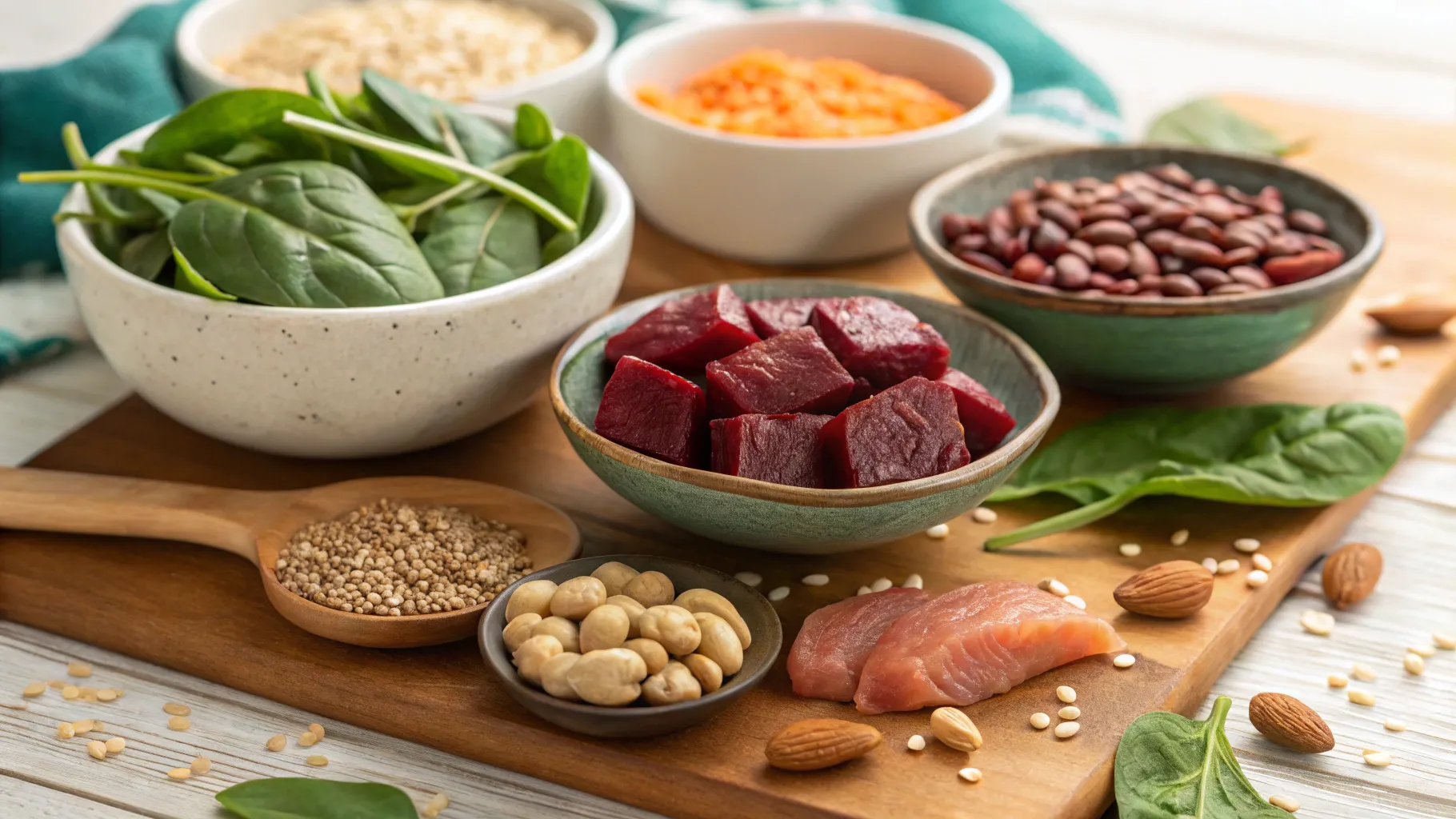
Fortunately, addressing iron deficiency is usually a straightforward process. Treatment typically involves a combination of dietary modifications and supplementation. Including iron-rich foods is essential. Here are some examples:
- Red meat, poultry, and fish
- Leafy vegetables like spinach and kale
- Legumes such as lentils and chickpeas
- Fortified cereals and grains
- Nuts and seeds
For more severe cases, healthcare providers often recommend iron supplements, which can significantly boost iron levels. It is vital to take these supplements under medical supervision, as improper intake can lead to health issues such as iron overload. Maintaining a balanced diet while actively monitoring symptoms is essential for those at risk of deficiency.
Regular check-ups with healthcare professionals can greatly enhance well-being, ensuring that symptoms of iron deficiency are managed effectively. Being informed about this condition empowers individuals to take charge of their health and avoid the serious complications associated with untreated iron deficiency anemia.
Authored by FreshLifeWire team