Iron Deficiency Symptoms Understanding Causes and Effects
Understanding Iron Deficiency Symptoms
Iron is an essential mineral that plays a pivotal role in various bodily functions. It is crucial for the creation of hemoglobin, the substance in red blood cells that transports oxygen from your lungs to the rest of your body. In 2025, iron deficiency remains a prominent health issue affecting millions of people worldwide. Understanding the symptoms associated with iron deficiency can help individuals recognize the condition early and seek appropriate treatment.
Common Iron Deficiency Symptoms
Recognizing the signs of iron deficiency is essential, as they can sometimes be subtle and mistaken for fatigue or stress. Here are some of the most common symptoms:
- Fatigue and Weakness: One of the first signs of iron deficiency is often overwhelming fatigue. With insufficient iron, your body struggles to produce enough hemoglobin, leading to reduced oxygen transport. People often find themselves unable to perform daily tasks that they usually manage with ease.
- Pale Skin: A noticeable drop in your energy levels can lead to paler skin. If your skin looks unusually pale, particularly in contrast to the color of your gums or the inner eyelids, it could indicate a lack of iron.
- Shortness of Breath: Even slight exertion may leave someone with iron deficiency feeling breathless. This is due to the body’s inability to transport adequate oxygen, which can lead to a feeling of breathlessness during activities that once felt manageable.
- Cold Hands and Feet: Poor circulation stemming from low iron levels may manifest as cold extremities. This symptom can often be overlooked or attributed to other causes, but it is a classic sign that your body isn’t functioning optimally.
- Dizziness or Lightheadedness: When your body isn't receiving enough oxygen, particularly to control balance and stability, you may experience dizziness or fainting spells. Such symptoms should be evaluated attentively.
- Brittle Nails: Iron deficiency can also affect your nails, making them brittle and more prone to breaking. If you notice an increase in nail fragility, it may be wise to consult a healthcare provider.
- Craving for Non-Food Items: A peculiar symptom often associated with iron deficiency is pica, where individuals have cravings for non-nutritive substances like dirt, ice, or clay. This is a strong indicator that your body is lacking essential minerals.
- Restless Leg Syndrome: This uncomfortable sensation in the legs can disrupt sleep and leads to an irresistible urge to move, often intensifying in the evening.
Statistics and Current Trends in Iron Deficiency
Iron deficiency is not just a personal health concern; it’s a public health issue recognized globally. According to recent studies from 2024, approximately 30% of the global population suffers from iron deficiency anemia. This statistic underscores the prevalence of the condition and highlights the need for awareness and proactive measures.
In particular, women, especially those who are pregnant or menstruating, are at a higher risk. Recent findings show that around 40% of pregnant women worldwide experience iron deficiency, which can significantly impact both maternal and fetal health.
In many cases, dietary intake is a considerable contributing factor. In 2025, studies indicated that inadequate dietary iron intake remains a critical problem, with many people not consuming the recommended daily allowance of iron, which is 18 mg for women and 8 mg for men. This often occurs in regions where diets are predominantly plant-based without adequate iron sources.
What Causes Iron Deficiency?
To better address the symptoms of iron deficiency, it is also vital to understand the underlying causes. There are several reasons someone might develop this condition:
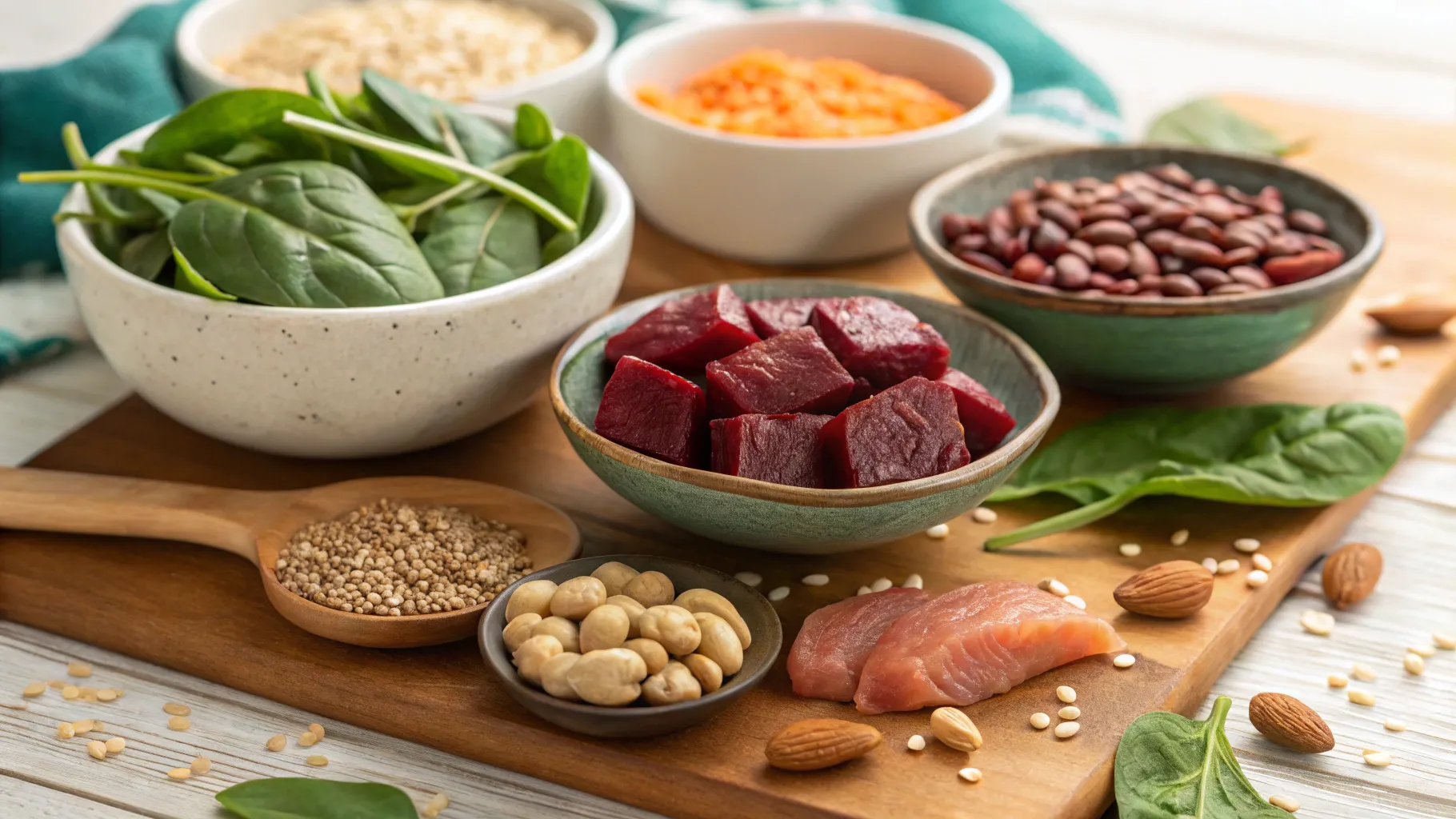
- Inadequate Dietary Intake: Consuming too few iron-rich foods is a primary reason behind iron deficiency. Vegetarians and vegans, in particular, may need to be more mindful of their iron sources, making sure to include lentils, chickpeas, spinach, and fortified foods in their diets.
- Increased Need for Iron: During certain life stages, such as growth spurts in children or pregnancy, the body’s demand for iron increases significantly. If dietary intake doesn’t keep pace, deficiency can occur.
- Loss of Blood: Conditions that cause heavy menstruation, or health issues like ulcers, cancers, or gastrointestinal disorders, can lead to significant blood loss and subsequent iron deficiency.
- Absorption Issues: Some people have difficulty absorbing iron due to conditions like celiac disease or after certain surgeries. This can create a scenario in which dietary iron is insufficient, even if intake seems adequate.
Getting adequate support from healthcare professionals is crucial. Regular blood tests, particularly for at-risk individuals, can help monitor iron levels. The addition of iron supplements can sometimes be necessary for those with severe deficiencies, but it's important to approach supplementation cautiously and under the guidance of a healthcare provider.
For individuals suspecting they may have iron deficiency, a simple yet effective step is to keep a food journal. Documenting what you eat can help identify gaps in dietary intake. Coupled with proactive medical support, awareness of symptoms and causes can empower individuals to take charge of their iron health.
In 2025, while science offers new insights into nutritional deficiencies, being informed and attentive to our body's signals is paramount. Whether it is fatigue, paleness, or unusual cravings, recognizing these symptoms early can lead to better health outcomes and ensure that everyone can lead a vibrant and active life full of energy.
Authored by FreshLifeWire team