Iron Deficiency Causes Symptoms Diagnosis Treatment Tips
Understanding Iron Deficiency: Causes and Symptoms
Iron deficiency is a growing health concern that affects millions globally. As of January 2025, it is estimated that over 1.6 billion people are affected by iron deficiency worldwide, with young children and women of childbearing age particularly at risk. This article will explore the causes of iron deficiency, highlight the symptoms to watch for, and provide guidance on diagnosis and treatment options available today.
Causes of Iron Deficiency
Iron deficiency can arise from various factors. Understanding these can help in prevention and necessary interventions. Here are some key causes:
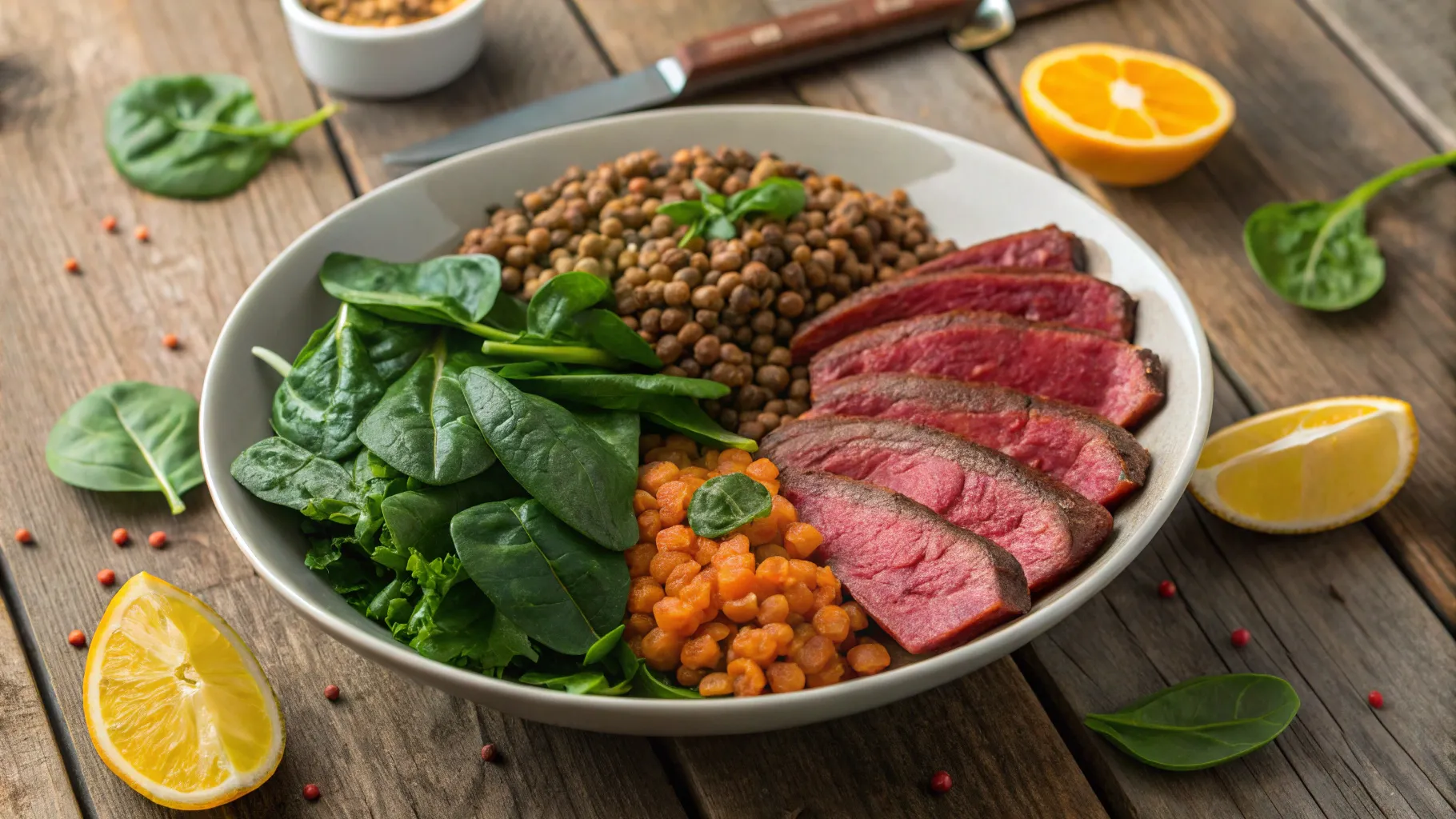
- Inadequate Dietary Intake: One of the most common reasons for iron deficiency is insufficient iron intake from the diet. Foods rich in iron include red meat, poultry, fish, lentils, and spinach. Many people, particularly those following vegetarian or vegan diets, might struggle to obtain enough iron.
- Increased Demand: Certain life stages demand higher iron levels, particularly during pregnancy and childhood. Pregnant women require more iron to support fetal development, placing them at a higher risk for deficiency.
- Blood Loss: Chronic blood loss is a significant cause of iron deficiency. This can occur due to heavy menstrual periods, internal bleeding, or conditions like peptic ulcers. Reports indicate that women with menorrhagia are especially prone to iron deficiency anemia.
- Malabsorption Issues: Conditions such as celiac disease, inflammatory bowel disease, or post-gastric surgery can impair the body’s ability to absorb iron from food. This means that even a balanced diet may not provide adequate iron for some individuals.
Symptoms of Iron Deficiency
Recognizing the symptoms of iron deficiency is crucial for early intervention. Common symptoms include:
- Fatigue: One of the first signs is persistent fatigue or weakness. This fatigue is caused by a decrease in red blood cell production, leading to reduced oxygen transport in the body.
- Pale Skin: A noticeable pallor, especially in the face and inside the lower eyelids, may indicate low iron levels.
- Shortness of Breath: Individuals may experience shortness of breath or a racing heart, particularly during physical exertion, due to inadequate oxygenation.
- Cold Hands and Feet: Poor circulation resulting from iron deficiency can lead to cold extremities.
- Headaches and Dizziness: Frequent headaches and dizziness may signal insufficient oxygen to the brain due to low hemoglobin levels.
Iron Deficiency Diagnosis Process
The diagnosis of iron deficiency typically begins with a thorough medical history and physical examination. Following this, healthcare providers may recommend specific blood tests, including:
- Complete Blood Count (CBC): This test measures various components of your blood, including hemoglobin and hematocrit levels that help indicate anemia.
- Serum Ferritin Test: Ferritin is a protein that stores iron in the body. Low levels suggest that iron stores are depleted.
- Serum Iron and Total Iron-Binding Capacity (TIBC): These tests assess the amount of iron in the blood and the blood’s capacity to bind iron, respectively.
Timely diagnosis is paramount, especially since untreated iron deficiency can lead to serious health issues, including severe anemia and other complications.
Treatment Options for Iron Deficiency
Once diagnosed, there are various treatment options available to address iron deficiency:
- Oral Iron Supplements: The most common treatment involves iron supplements, which can help replenish iron stores. Ferrous sulfate is often prescribed, as it is both effective and generally well tolerated.
- Dietary Changes: Incorporating iron-rich foods into your diet can significantly improve your iron levels. Pairing these foods with vitamin C-rich items (like citrus fruits) enhances iron absorption.
- Intravenous Iron Therapy: For individuals who cannot tolerate oral iron supplements or have severe deficiency, intravenous iron may be necessary. This method allows for rapid repletion of iron stores.
- Treating Underlying Causes: Addressing any underlying conditions causing the deficiency, such as ulcers or heavy menstrual bleeding, is vital for long-term recovery and prevention.
Prevention Tips for Iron Deficiency
Prevention of iron deficiency is feasible through several lifestyle adjustments:
- Consume a Well-Balanced Diet: Ensure your diet includes a variety of iron-rich foods. Include both heme iron sources (like animal products) and non-heme sources (like legumes and nuts).
- Increase Vitamin C Intake: As mentioned, vitamin C can enhance iron absorption. Foods such as oranges, strawberries, and bell peppers are excellent choices.
- Be Mindful of Iron Inhibitors: Certain foods and beverages can inhibit iron absorption, including tea, coffee, and calcium-rich foods. Try to consume these at different times from iron sources.
- Regular Check-Ups: Routine blood tests can help monitor iron levels, especially for those at risk. Early detection leads to better management.
- Stay Educated: Learn more about iron deficiency, its symptoms, and the importance of nutrition. Awareness is key to prevention.
In summary, iron deficiency is a significant health issue that can be effectively managed through a combination of dietary strategies, supplements, and addressing underlying causes. By understanding the causes, symptoms, and treatment options, individuals can take proactive measures to maintain optimal iron levels for better health and well-being.
Authored by FreshLifeWire team