Interior Design Scholarships Funding Portfolio Requirements
Understanding Interior Design Scholarships
Embarking on a journey in the world of interior design can be both thrilling and challenging, particularly when it comes to funding a formal education. Thankfully, interior design scholarships offer a lifeline to aspiring designers seeking to hone their skills and bring their creative visions to life. These scholarships provide crucial financial support, enabling talented individuals to pursue degrees in design programs without the overwhelming burden of student debt. In 2025, the landscape of available scholarships continues to grow, with numerous options tailored to meet the diverse needs of students.
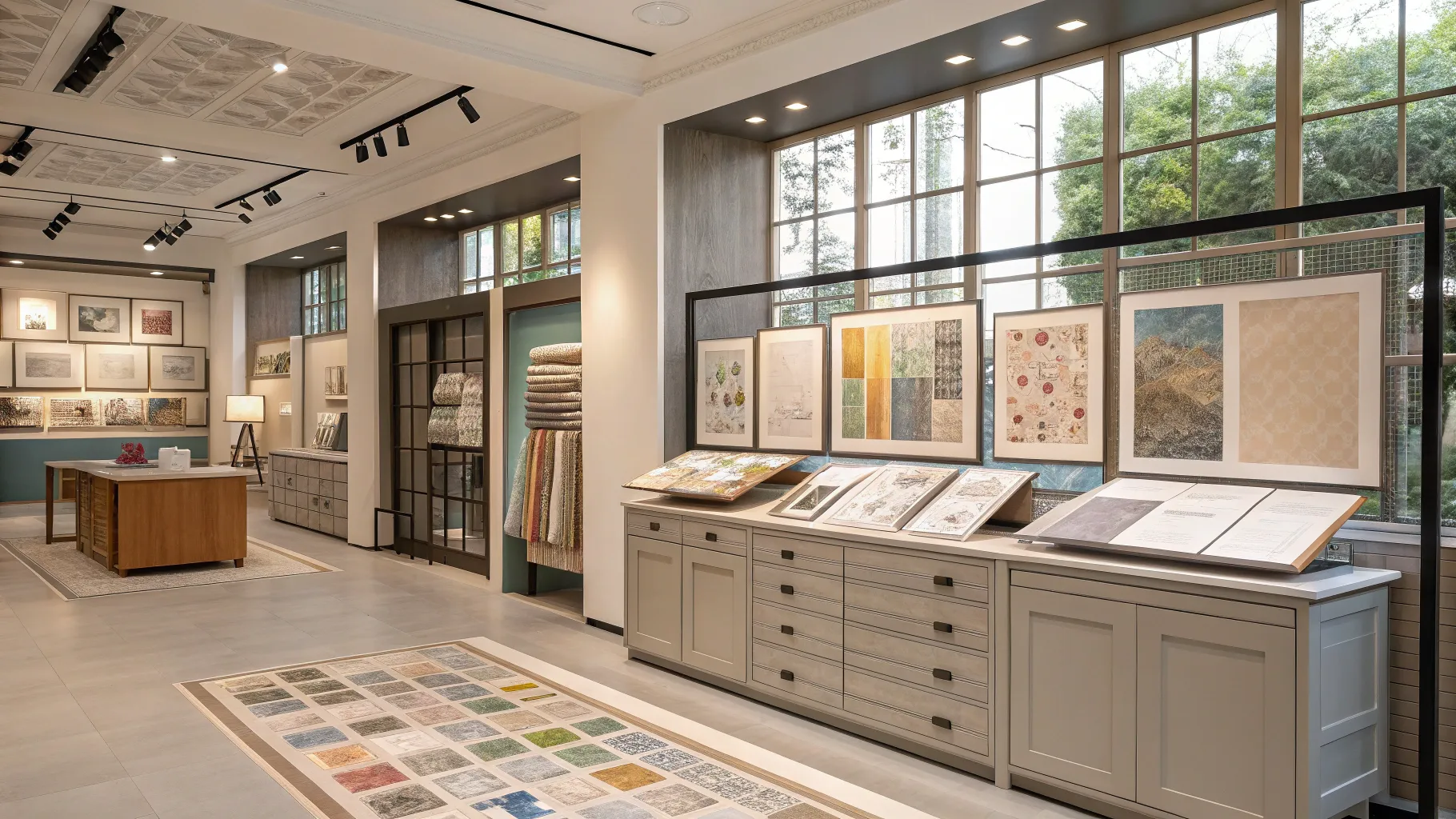
Types of Interior Design Scholarships
Generally, interior design scholarships fall into a few key categories, each with its unique set of criteria:
- Academic Scholarships: These are awarded based on a student’s academic performance, typically requiring a strong GPA and standardized test scores. For example, a top performance in high school could qualify students for significant funding at prestigious design schools.
- Portfolio-Based Scholarships: Many institutions require students to submit a portfolio showcasing their design work. This is where creativity shines, as schools look for innovative ideas and the ability to conceptualize effectively. Strong portfolios not only demonstrate a student’s existing skills but also their potential to grow in the field.
- Need-Based Scholarships: For students from lower-income families, need-based scholarships can significantly ease financial pressures. These scholarships are awarded based on the financial status of the student and their family, ensuring that talent is not stifled by financial barriers.
- Creative Study Grants: In addition to scholarships, some organizations offer creative study grants aimed specifically at individuals wishing to pursue unique projects or studies within interior design. These funds can help students work on projects that align with personal interests, which might not be covered by conventional scholarship programs.
Funding for Design Programs
As of 2025, research shows that the demand for skilled interior designers is soaring, driven by trends in urban development and sustainability. This trend has prompted educational institutions to expand their scholarship offerings significantly. A survey conducted in early 2025 reveals that approximately 70% of design schools now offer some form of financial aid or scholarships to incoming students, compared to just 50% five years ago.
Moreover, the association of interior design professionals has also launched several scholarships aimed at promoting diversity in the field, providing funding specifically for underrepresented groups. These initiatives reflect an understanding that a diverse group of designers can bring fresh perspectives to the industry.
Portfolio Requirements for Scholarships
When applying for portfolio-based scholarships, meeting the specific requirements set by each institution is critical. Here are some general guidelines that many schools follow:
- Content Variety: While each portfolio can look unique, it typically includes a variety of projects demonstrating a range of skills—from sketching and digital renderings to completed designs.
- Personal Style: Students are encouraged to showcase their individual aesthetic, which is crucial in the design world. This personal touch can differentiate one portfolio from another.
- Process Documentation: Schools often look for insight into a designer’s creative process. This can be illustrated through sketches, mood boards, or project timelines that trace the development from concept to finished design.
The emphasis on portfolios means that aspiring interior designers should dedicate ample time to developing their work, continuously honing their skills and exploring new design trends. For instance, in recent months, several geography-specific design competitions have been launched, allowing students to create portfolio pieces while gaining industry exposure.
Application Guidance for Interior Design Scholarships
First and foremost, reading the scholarship application guidelines thoroughly is crucial. Each scholarship typically has specific eligibility criteria, required documentation, and deadlines. Students should keep the following tips in mind:
- Start Early: Engaging the application process in advance affords additional time for revisions and inquiries.
- Seek Guidance: Whether from teachers, mentors, or professional designers, getting feedback on application essays and portfolios can help refine work and enhance submissions.
- Organize Documentation: Keeping applications well-organized can help streamline the submission process, ensuring that nothing is overlooked. This should include any transcripts, letters of recommendation, and personal essays required by the scholarship committee.
Particularly in 2025, the competitive nature of scholarship applications underscores the importance of a well-crafted personal essay. Sharing personal experiences, motivations for pursuing interior design, and future career aspirations can resonate with scholarship committees looking for passionate candidates. Additionally, illustrating how a scholarship will impact your educational journey can add a compelling layer to the application.
Real-World Examples of Successful Scholarship Recipients
Looking at recent scholarship recipients can provide valuable insights. For instance, Samantha Lee, a recent graduate of the Rhode Island School of Design, received a scholarship that covered 75% of her tuition, allowing her to focus on innovative designs for sustainable living environments. She noted that her portfolio, which showcased her interest in environmentally-friendly materials, played a crucial role in her selection.
An increasing number of organizations are pushing boundaries by funding scholarships targeted toward niche areas in interior design. Programs such as the "Women in Design" scholarship have made a significant impact, paving the way for women in a traditionally male-dominated field. By continuing to pursue these opportunities, aspiring designers can unlock their potential and contribute to a more diverse and creative interior design landscape.
Authored by FreshLifeWire team