Innovative Rotor Blades Boost Helicopter Performance
Revolutionizing Flight: The Mechanics of Helicopter Rotor Blades in 2025
In 2025, the era of aviation is undergoing a radical transformation, particularly in the realm of helicopter technology. Helicopter rotor blades are no longer just components; they are the driving force behind advanced aerodynamics and efficiency in modern rotorcraft. These blades blend cutting-edge materials and pioneering technologies to revolutionize how we perceive and experience flights today.
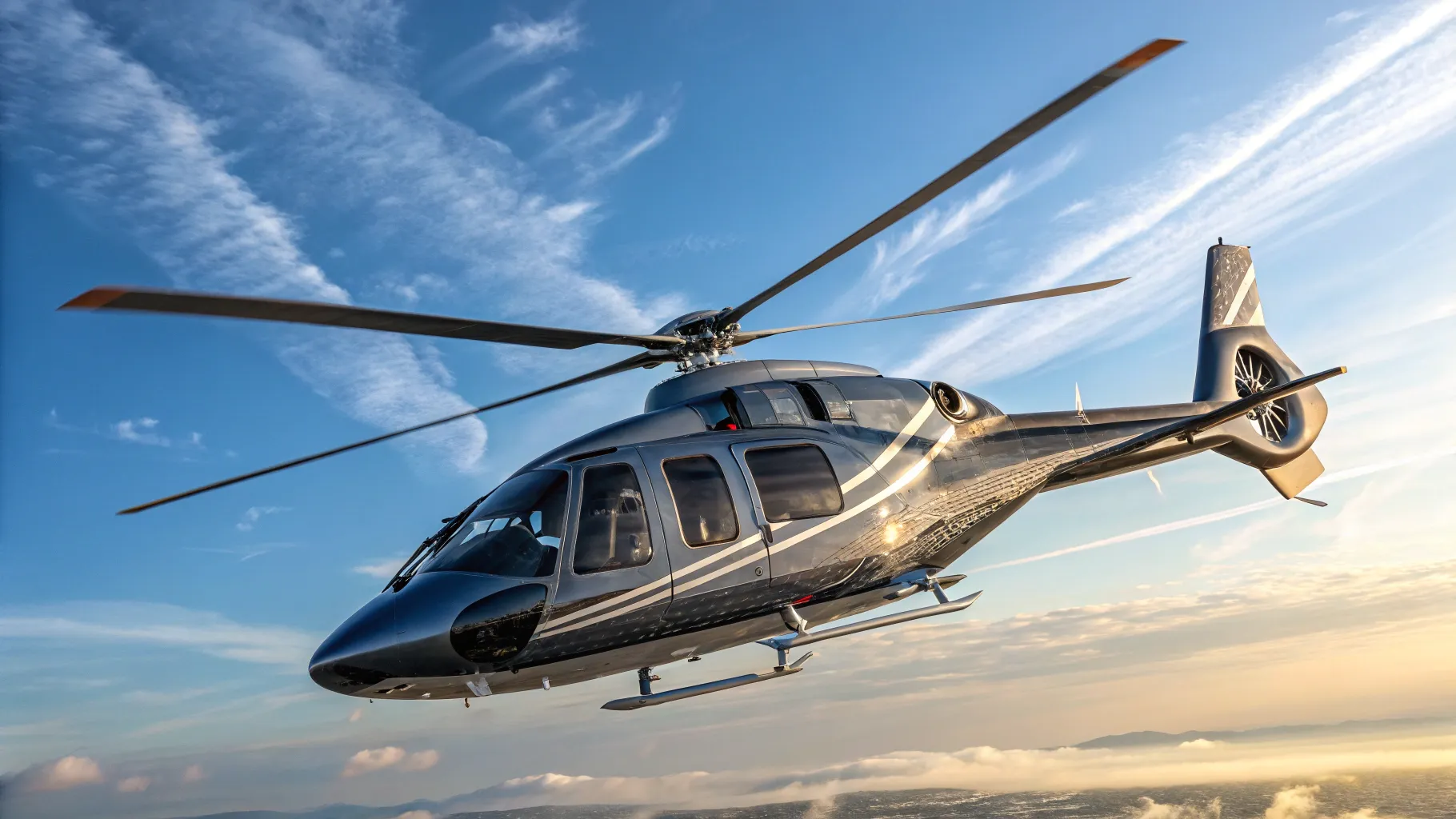
Modern rotor blades are crafted to fulfill the demands of vertical take-offs, hovering, and tight maneuverability - core attributes identified as essential by the International Aeronautics Association's 2024 study. By integrating high-strength composites, such as carbon fiber reinforced polymers, these blades are designed to withstand immense stress while offering optimal reliability.
Enhancing Rotorcraft Operations with Advanced Blade Replacement Strategies
For helicopter owners and operators, ensuring that rotor blades remain in top condition is a priority. Their complex engineering means maintenance involves more than just a visual check. Because rotor blades regularly encounter potential threats like bird strikes and rough weather, they require a level of vigilance outlining the need for strategic maintenance plans.
Operational guidelines issued by agencies such as the Federal Aviation Administration (FAA) suggest comprehensive inspections after every 500 flight hours. Concurrently, manufacturers recommend full blade replacements every 3,000 to 6,000 hours. These preventative maintenance practices are crucial for safety and efficiency, often avoiding the costlier alternatives of emergency repairs or catastrophic failures.
Pioneering Maintenance Protocols: A Holistic Approach
- Regular Inspections: Frequent checks involving visual and ultrasonic methods help in identifying early signs of wear. Spotting delamination or micro-cracks at the forefront minimizes risks and can dictate the success of maintenance efforts.
- Environmental Awareness: With the rise in unpredictable climate patterns, environmental factors such as extreme temperatures are scrutinized closely to mitigate adverse effects on blade material.
- Balancing Best Practices: Balancing acts as a buffer against vibrations, reducing undue strain on the rotor craft's system, thus optimizing fuel use and extending the blades' lifespan.
- Material Preservation: Special cleaning solutions should be employed to safeguard blade materials, especially after exposure to harsh environments, ensuring operational readiness is always a priority.
Innovations in blade technology continue to propel rotorcraft to new heights. In 2025, helicopters increasingly incorporate adaptive rotor blades, which adjust their configurations in flight depending on varying conditions. According to a report by the Aviation Systems Institute, these adaptive blades have reduced fuel consumption by up to 10% and curbed noise pollution by 15%.
Adding to the innovation, digital twins — virtual models that simulate the actual rotor blades in real time — revolutionize rotor maintenance. With predictive analytics powered by AI, they enable early detection of potential failures, facilitating proactive management. Helicopter manufacturers have reported up to a 20% reduction in unscheduled maintenance, illustrating the profound impact of such technologies on operational efficiency.
Furthermore, advancements in thermal imaging paired with AI-driven analytics offer unparalleled insights into blade health. New studies highlight how early-stage damages can be identified with up to 92% accuracy, allowing operators to prepare maintenance interventions well in advance and thus prolong the blades' service life.
The fusion of ecological consciousness with cutting-edge technology defines rotor blade advancements. Helicopter operators are now consciously opting for eco-friendly blades designed with sustainably sourced materials, contributing to a marked reduction in carbon footprints, as highlighted in the Global Green Aviation 2025 report.
In 2025, as helicopters dominate the skies, the aviation industry wholeheartedly embraces innovation, safety, and environmental considerations. The journey of helicopter rotor blade improvements exemplifies how integrating technology, strategic foresight, and eco-friendly methodologies shapes an era of intelligent and responsible flight. With continued advancements, rotorcraft are poised to redefine aviation, marrying operational efficiency with sustainability in air travel better than ever before.
Authored by FreshLifeWire team