Innovative Fat Removal Techniques for 2025 Explained
Learn About Innovations in Fat Removal Techniques
The quest for effective fat removal techniques has taken a remarkable leap in the past few years, shaped by advancements in both technology and our understanding of human biology. As we navigate through 2025, individuals looking to achieve their ideal body shape have more options than ever before. This article provides insights into the most innovative methods currently available and helps to demystify the world of fat removal.
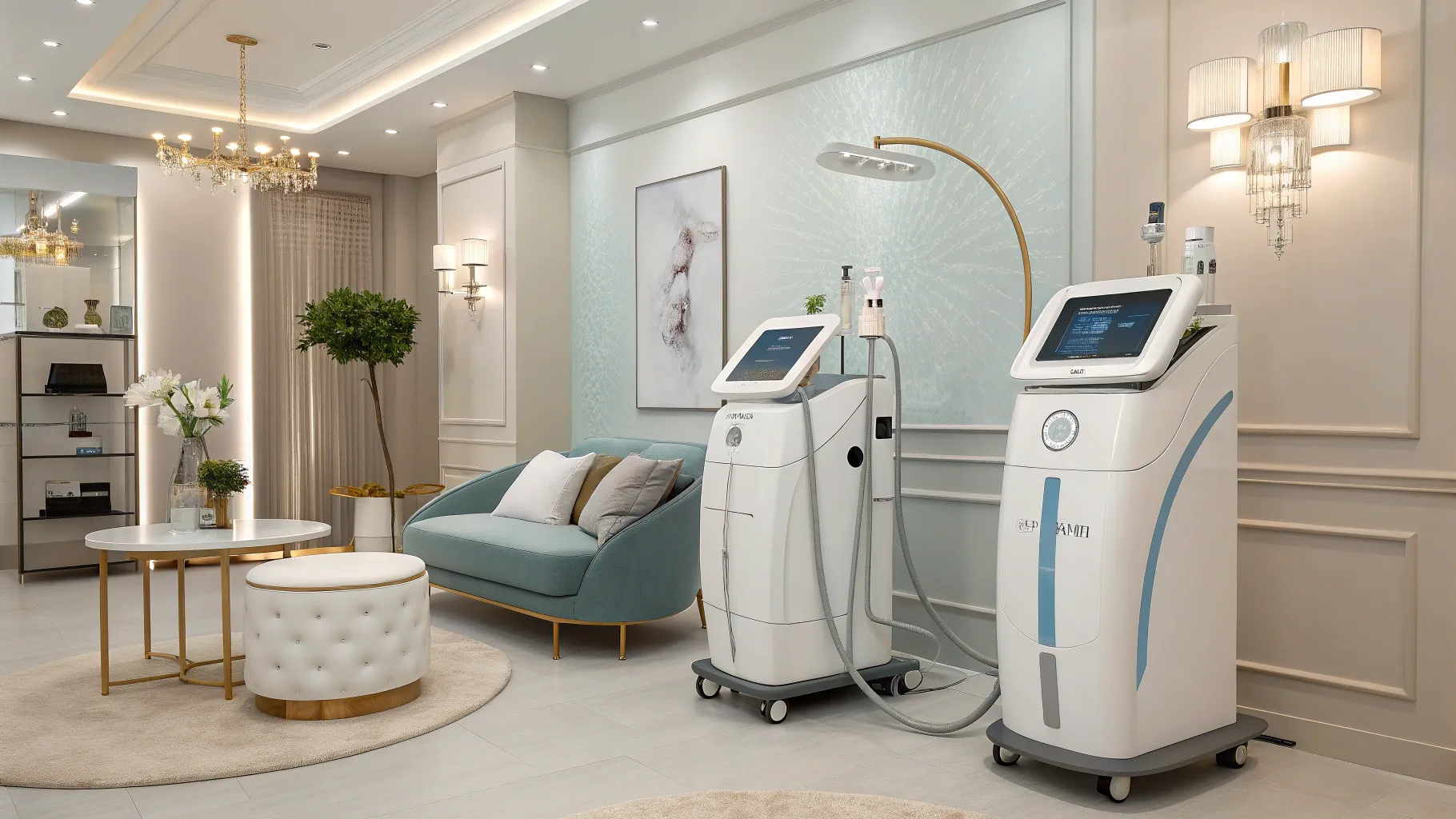
Non-Surgical Fat Removal Techniques on the Rise
With increasing focus on non-invasive cosmetic procedures, non-surgical fat removal techniques have emerged as popular choices among individuals seeking to enhance their body contours without the need for recovery time associated with traditional surgery.
- Cryolipolysis: Also known widely by the brand name CoolSculpting, this technique uses cold temperatures to target and destroy fat cells beneath the skin. Initial studies in 2025 have shown a continued improvement in the precision of the applicators used, which now allow for more customized treatments tailored to individual body shapes and areas.
- Laser Lipolysis: Using laser energy, this method not only helps in fat destruction but also promotes skin tightening. Modern devices now integrate real-time feedback technology that allows practitioners to adjust settings during the procedure for optimal results, leading to a significant reduction in unwanted side effects.
- Radiofrequency Fat Reduction: This technique utilizes radiofrequency energy to heat and reduce fat cells while simultaneously improving skin tone and texture. 2025 has seen the introduction of advanced machines equipped with dual-frequency capabilities, allowing more effective treatment in areas with varying skin compositions.
- Ultrasound Fat Reduction: Employing ultrasound waves to target fat cells deep under the skin, this method has surged in popularity. Recent innovations allow for shortening session times and enhancing comfort levels during treatments, making it an appealing option for many clients.
These methods not only present less risk than traditional liposuction but also allow patients to return to their normal activities shortly after their sessions. The reduced need for downtime often makes non-surgical fat removal more appealing, capturing the interest of busy professionals and parents alike.
Understanding the Science Behind Fat Removal Innovations
The foundation of these fat removal innovations is deeply rooted in scientific advancements. As we explore the mechanisms behind these techniques, it is essential to recognize how they work at a cellular level.
Fat cells, or adipocytes, can be effectively targeted by certain energies, including heat, cold, ultrasound, and laser. When utilizing these modalities, fat cells undergo apoptosis – a form of programmed cell death – without significantly affecting surrounding tissues. This selective targeting is what makes modern techniques safer and more efficient, leading to desirable aesthetic results.
Current data suggests that approximately 25-30% of fat cells can be eliminated in a single treatment, with results typically noticeable within weeks as the body naturally processes the destroyed cells. For many, this means they can enjoy their transformed appearance without invasive surgery.
Moreover, the introduction of combination therapies is a growing trend in 2025, wherein practitioners use multiple techniques in tandem to amplify results. For instance, a patient may have a cryolipolysis treatment followed by radiofrequency therapy to optimize both fat removal and skin tightening.
Recent Statistics and Trends in Fat Removal Techniques
The demand for fat removal techniques continues to rise. In 2025, it is estimated that non-surgical fat reduction procedures have grown by over 40% compared to just two years prior. This surge can be attributed to greater accessibility, increased media coverage, and an ever-expanding pool of qualified practitioners. In a survey conducted in early 2025, nearly 60% of respondents indicated a preference for non-invasive methods over their surgical counterparts due to concerns about safety and recovery time.
Social media has also played an influential role, with platforms showcasing before-and-after results, effectively normalizing aesthetic enhancements. Patients frequently share their experiences and celebrate transformations, driving more people to consider these innovative techniques.
As the array of available treatments expands, practitioners are urged to combine skillful techniques with personalized patient care. It’s not enough to simply choose a method; the clinician's experience and expertise in applying these technologies can significantly affect outcomes.
The Future of Fat Removal in Aesthetic Medicine
Looking ahead, the future of fat removal techniques seems promising. Researchers are continuously exploring new technologies, with exciting prospects on the horizon. For instance, the possibility of utilizing artificial intelligence (AI) in treatments is being studied, which could result in more precise targeting of fat deposits and an enhanced overall patient experience.
Moreover, as we gain more understanding of body types and metabolic responses, there's potential for more customized solutions. With personalized medicine being a key focus in the medical field, it is likely that tailored fat removal plans will become the norm.
In summary, 2025 showcases a variety of innovative, effective, and safe fat removal techniques. Whether someone is exploring options for the first time or has already undergone treatments, there is a wealth of information available. Understanding these modern advancements can empower clients to make informed decisions, leading them towards the body contours they aspire to achieve.
As the field evolves, ongoing research and patient feedback will continue shaping these innovations, ensuring that fat removal techniques remain at the forefront of aesthetic medicine.
Authored by FreshLifeWire team