Impact of Unpaid Bills on Your Financial Future and Credit
Do Unpaid Bills Affect Your Financial Future
In today's fast-paced world, financial management can be a daunting task. Unpaid bills can feel like a minor inconvenience at first, but they can have significant repercussions on your financial future. Ignoring these debts can trigger a domino effect, impacting your credit score, access to loans, and even your mental well-being. In 2025, as many people are still grappling with the aftermath of the previous economic challenges, understanding the consequences of unpaid bills is crucial.
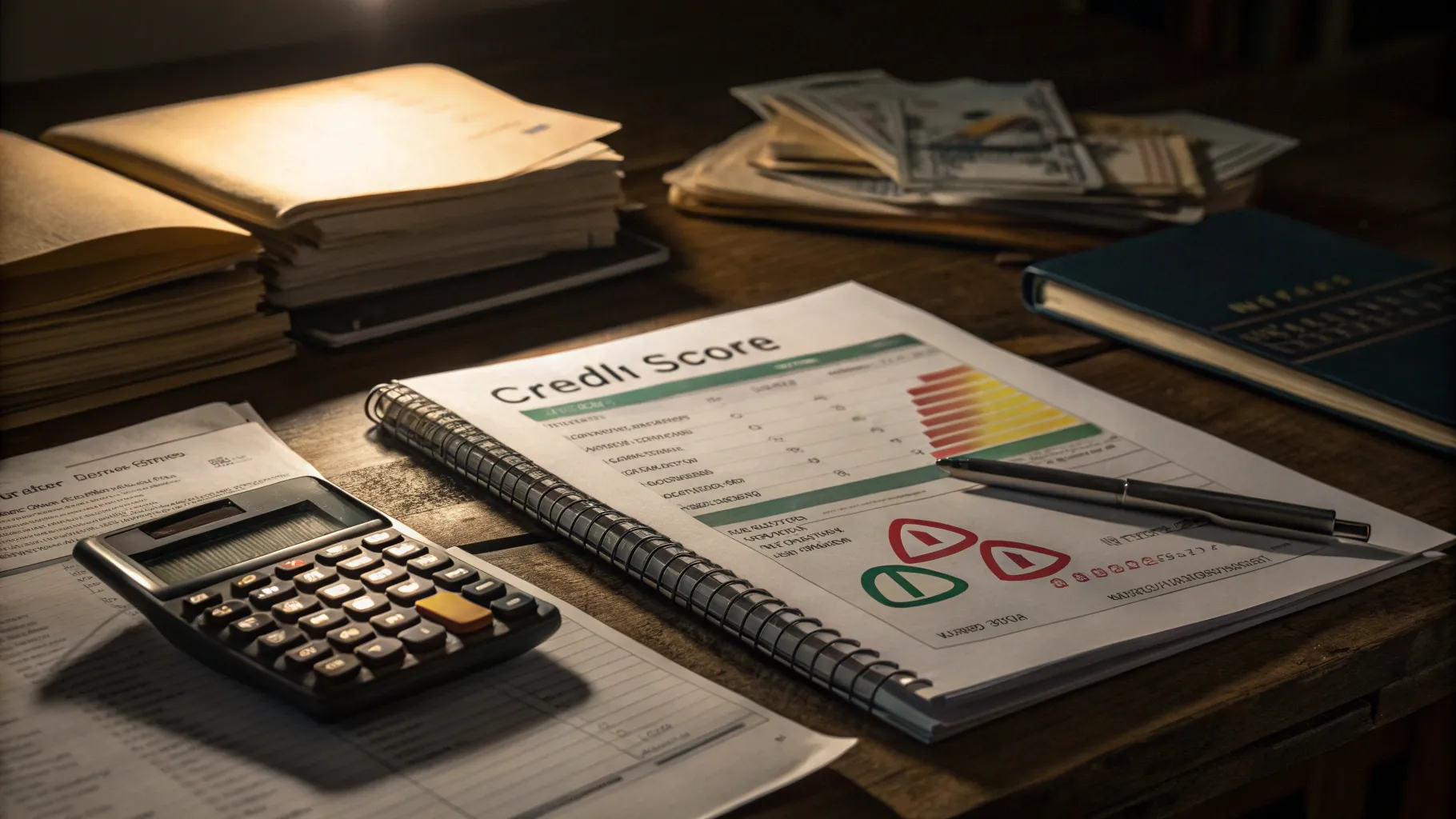
Unpaid Bills Consequences
When bills remain unpaid, a series of events can occur, leading to substantial headaches down the line. For instance, if you default on a utility bill, the company may disconnect your service. This not only results in inconvenience but also sets off a chain reaction that could lead to late fees and additional charges. Research shows that approximately 31% of Americans report they’ve experienced service interruptions due to unpaid bills in the past year.
Moreover, unpaid bills can eventually lead to collections. Debt collectors often begin to contact individuals whose accounts have fallen behind. This adds stress and aggravation to your situation as collectors can be relentless in their pursuit of payment. Here’s the kicker: unpaid bills are also noted on your credit report, which can severely impact your credit score. According to a recent survey, nearly 40% of Americans underestimate the impact that one unpaid bill can have on their credit health.
How Debt Affects Your Financial Future
Debt can be a double-edged sword. While some debt, like a mortgage, can be an investment in your future, unpaid bills can pull you into a cycle of financial strain. A poor credit score caused by unpaid debts can thwart your plans to purchase a home or get a car loan. In 2025, the average credit score in the United States hovers around 700, but individuals with unpaid debts commonly find themselves in the low to mid-600s, significantly raising the interest rates they are offered on loans or, in many cases, outright denial of credit.
- **Impact on Loan Applications**: If you apply for a new credit card or a personal loan, lenders thoroughly check your credit history. Unpaid bills can trigger a red flag, leading to higher interest rates or rejection.
- **Insurance Premiums**: Surprising as it may sound, unpaid bills can even affect your insurance premiums. Insurers often evaluate credit history to determine rates for auto and home insurance, meaning higher rates for those with unpaid debt.
- **Job Prospects**: Some employers conduct credit checks as part of the hiring process, especially in finance-related jobs. A poor financial record could hinder your employment chances.
For instance, a recent case study showcased how a young professional's continuous unpaid student loans resulted in missed opportunities for advancement within her company, simply because her employer considered her financial instability as a liability.
Impact of Late Payments on Credit Score
Credit scores are an essential component of your financial identity, and late payments can wreak havoc on this aspect. A single missed payment can drop your credit score by as much as 100 points, depending on your overall credit health. For many, this represents a significant loss in financial mobility. You might not realize it, but a lower credit score could lead to mortgage rejections, or higher costs for insurance, and unforgiving loan terms.
According to the latest statistics from financial analysts, 35% of your FICO credit score directly correlates to your payment history. This means that consistently unpaid bills may haunt you longer than you anticipate. Staying informed about your credit report and understanding how different factors affect your score can significantly empower you in managing your financial future.
How to Improve Your Credit History
If unpaid bills have impacted your credit history, don’t lose hope. There are several strategic steps you can employ to mend the situation:
- Catch Up on Payments: Prioritizing your due payments will help you start to recover your credit score. Paying off outstanding debts can remove the negative marks from your credit report after a few months.
- Request a Goodwill Adjustment: If you've generally been a reliable payer in the past, consider reaching out to your creditors to request the removal of late payments from your record as a gesture of goodwill.
- Regular Credit Report Checks: Monitoring your credit report will help you identify errors or inaccuracies that may be impacting your score. You are entitled to one free report annually from each major credit bureau.
- Engage in Credit Building Activities: Acquiring a secured credit card, using credit responsibly, and making timely payments on it can improve your score over time.
For example, a recent report showed that individuals who followed a structured plan to clear their debts saw an average improvement of 70 points in their credit scores within six months. This stark contrast illustrates how taking charge of your finances can yield positive results.
Financial Awareness Tips
Being aware of your financial situation is the first step to managing it efficiently. Here are some actionable tips that can help you avoid falling into debt:
- Create a Budget: Drafting a realistic monthly budget is essential for keeping track of your expenses and managing your income accordingly.
- Cut Non-Essential Spending: Assess your spending habits and identify areas where you can reduce expenses. Every dollar saved adds up!
- Set Up Reminders: Utilize technology to set payment notifications on your phone or calendar to ensure you never miss a due date.
- Seek Financial Advice: If you feel overwhelmed, don’t hesitate to contact a financial advisor to help you navigate through your debts.
Staying aware and educated about your financial state is critical. By following these straightforward guidelines, you can steer clear of debt problems and set yourself up for a more secure financial future.
Ultimately, the choices you make today regarding unpaid bills and financial management will shape your tomorrow. By adopting a proactive approach, you can mitigate consequences and pave the way towards financial stability.
Authored by FreshLifeWire team