Identify Common Symptoms of Colitis for Early Treatment
Common Symptoms of Colitis to Watch For
Colitis, which refers to inflammation of the colon, can present a range of symptoms that can be distressing and disruptive to daily life. It is crucial to recognize these symptoms early on to seek appropriate medical help. Some of the most common symptoms include:
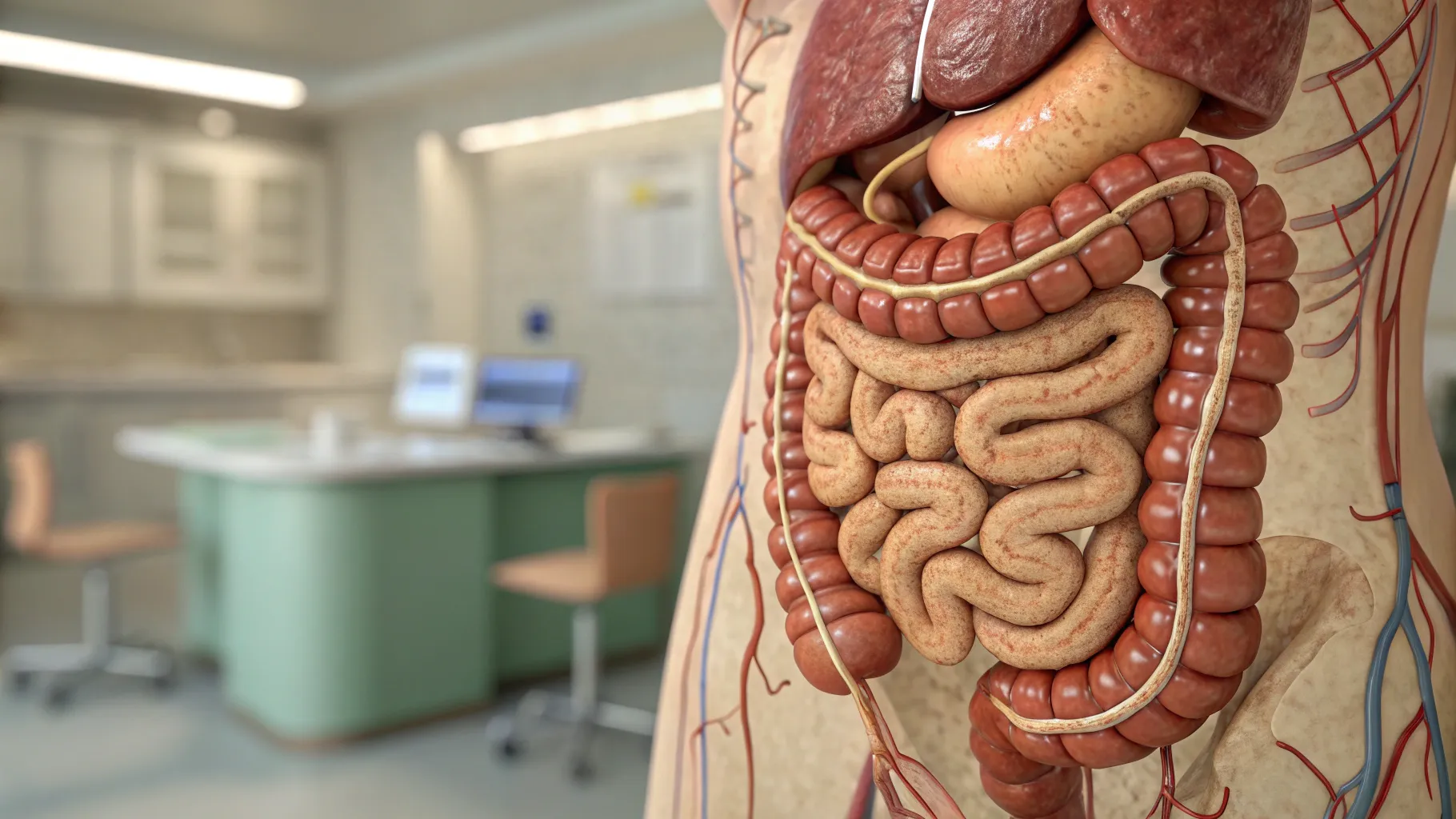
- Diarrhea: Frequent loose or watery stools are among the hallmark signs of colitis. Patients may experience episodes of urgent diarrhea several times a day. This can vary in intensity and, in some cases, can lead to dehydration.
- Abdominal Pain: Cramping or pain in the abdomen is a common symptom. Individuals often describe this pain as sharp or aching, and it can be accompanied by bloating.
- Blood in Stool: This can manifest as bright red blood or dark, tarry stools, indicating bleeding in the digestive tract. It is a concerning symptom that warrants immediate medical evaluation.
- Fatigue: Chronic inflammation can lead to feelings of exhaustion and fatigue. Many patients report that their energy levels are significantly lower than usual.
- Weight Loss: Unintentional weight loss may occur due to reduced appetite or the body's inability to absorb nutrients properly due to inflammation.
Recognizing these symptoms is vital and might trigger a visit to a healthcare provider.
How to Recognize Inflammation of the Colon
Recognizing colitis involves being aware of specific signs and symptoms. Inflammation of the colon can vary in severity and type, ranging from mild cases that may resolve spontaneously to severe cases requiring immediate intervention. In 2025, healthcare providers have emphasized that understanding your body’s signals is essential. Here’s how you can identify colitis:
- Monitoring Bowel Habits: Take note of any changes in your bowel habits—decreased frequency or changes in stool consistency can be red flags.
- Tracking Pain Levels: Pay attention to abdominal pain. If the discomfort persists or worsens after eating, it could indicate an issue.
- Identifying Blood in Stool: If you notice blood in your stool, it’s important to observe the appearance—it may range from bright red to dark brown. Both instances can indicate colitis and should be addressed swiftly.
- Being Attuned to Other Symptoms: Fatigue, weight loss, and a sense of urgency can also accompany colitis. If you’re experiencing these alongside changes in your stool, it’s prudent to reach out to a healthcare professional.
In recent studies, more than 70% of individuals with inflammatory bowel diseases, including colitis, reported having experienced recurring symptoms, indicating the importance of managing this condition.
Does Diarrhea Mean Colitis?
Diarrhea is indeed a common symptom associated with colitis, but it is important to understand that not all diarrhea indicates colitis. Diarrhea can be caused by various factors including viral infections, food intolerances, and gastrointestinal disorders. However, if diarrhea persists for an unusually long period or is accompanied by other symptoms like fever, abdominal pain, or blood in the stool, colitis should be considered as a possibility.
What Abdominal Pain Indicates Colitis?
The type and severity of abdominal pain can vary greatly from person to person. In the context of colitis, individuals may experience:
- Cramping Pain: This may be more prominent during bowel movements as the inflamed colon contracts.
- Localized Pain: Pain may occur in specific areas of the abdomen, particularly in the lower left quadrant where the sigmoid colon is located.
- Acute Pain Episodes: These can occur during flare-ups and may be severe enough to require urgent medical attention.
Understanding these pain indicators is essential for determining the need for further medical evaluation.
What Does Blood in Stool Look Like in Colitis?
Blood in the stool is a distressing symptom and can vary in appearance depending on the severity of the condition. In colitis, patients may notice:
- Bright Red Blood: Typically indicates active bleeding in the lower digestive tract.
- Dark, Tarry Stools: Suggests bleeding higher in the gastrointestinal tract, such as from the stomach or small intestine.
In both cases, the presence of blood should prompt immediate consultation with a healthcare professional to determine the underlying cause and initiate necessary treatment.
Diet and Colitis: Can It Improve with Diet?
Diet plays a significant role in managing the symptoms of colitis. While food cannot cure the condition, certain dietary modifications can help manage symptoms and reduce inflammation. In 2025, nutritionists have identified several dietary strategies that may be beneficial, such as:
- Avoiding Trigger Foods: Common triggers often include dairy, high-fat foods, and refined sugars. Keeping a food diary can help identify personal triggers.
- Increasing Fiber Intake: Soluble fiber, found in oats, apples, and carrots, may help solidify stool and reduce diarrhea.
- Incorporating Anti-inflammatory Foods: Foods rich in omega-3 fatty acids (like salmon and flaxseeds) and antioxidants (like berries and leafy greens) can aid in reducing inflammation.
Choosing the right foods can mitigate symptoms and improve overall health for those living with colitis.
What Are the Most Dangerous Symptoms of Colitis?
While many symptoms of colitis can be bothersome, some can signal serious complications requiring immediate medical attention:
- Severe Abdominal Pain: A sudden increase in the intensity of abdominal pain can indicate complications like perforation or bowel obstruction.
- High Fever: A temperature higher than 101°F is concerning and could indicate an infection.
- Signs of Dehydration: Symptoms such as excessive thirst, dry mouth, or lightheadedness can arise from prolonged diarrhea.
- Severe Rectal Bleeding: Significant blood loss or continued blood in the stool should be treated as a medical emergency.
Recognizing these symptoms and seeking prompt medical attention can be vital for the health and well-being of those affected by colitis.
Authored by FreshLifeWire team