Hyperpigmentation Laser Treatment Options for Dark Skin
Understanding Hyperpigmentation Laser Treatment for Dark Skin
Hyperpigmentation is a common skin condition affecting many people, particularly those with darker skin tones. This condition manifests as darker patches on the skin, which can be disheartening and affect one’s self-esteem. In current skincare practices, specifically in 2025, professionals have developed a range of hyperpigmentation laser treatment options tailored to ensure safety and efficacy for darker skin types.
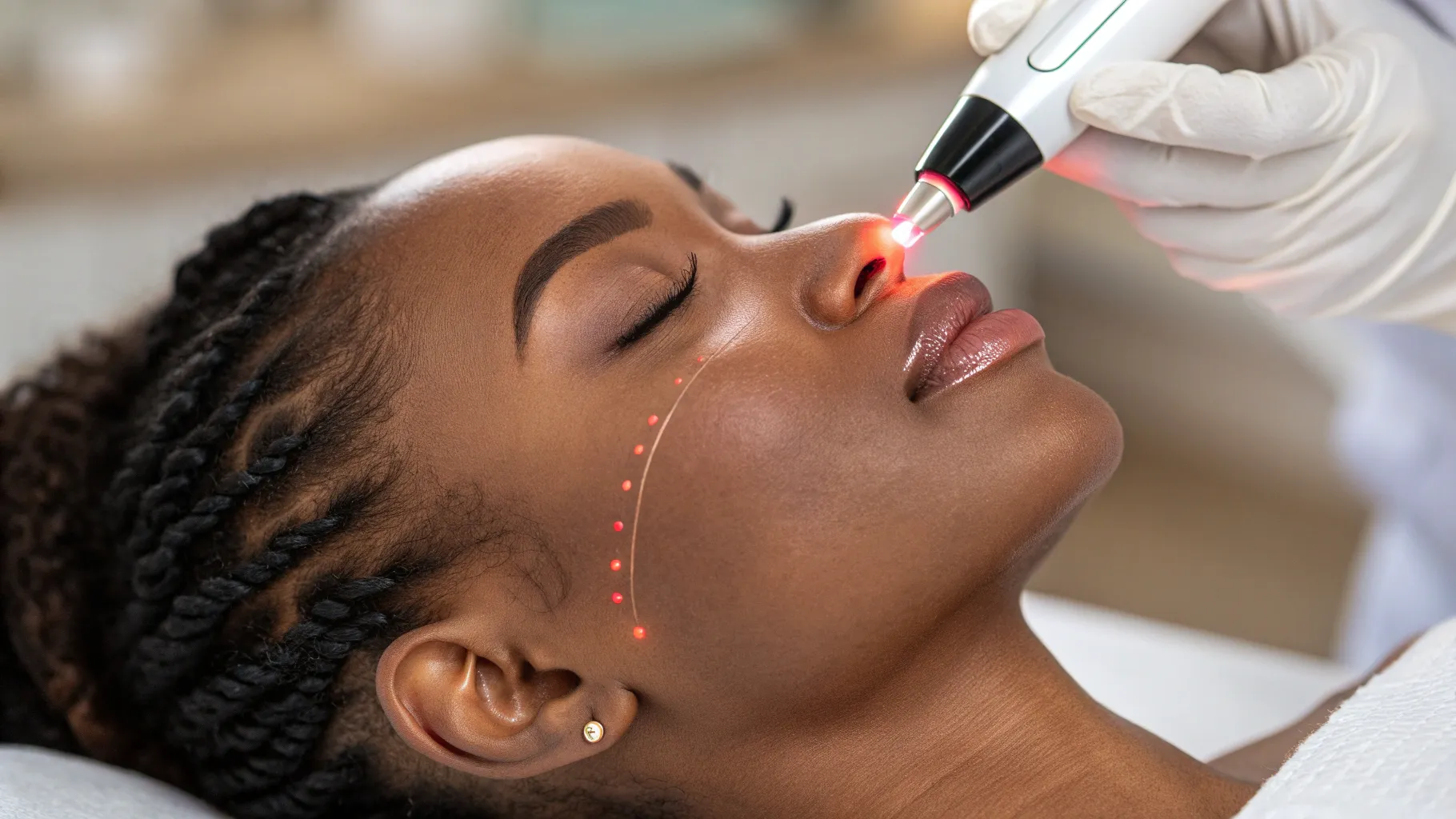
The Laser Treatment Process for Dark Skin
When considering laser treatments for hyperpigmentation, the process typically begins with a comprehensive consultation with a dermatologist. This discussion covers skin type, existing pigmentation challenges, and the desired outcomes from the treatment. The latest advancements in laser technology, such as Nd:YAG lasers and picosecond lasers, have gained traction due to their ability to precisely target hyperpigmented areas without harming surrounding healthy skin.
During the procedure, patients usually receive a topical numbing agent to ensure comfort. The active laser treatment effectively breaks down excess melanin deposits within the skin. Following a session, some patients may experience temporary redness or slight swelling, both of which typically resolve within a few days. Most individuals require several sessions spaced four to six weeks apart to achieve optimal results, allowing the skin to heal and regenerate properly between treatments.
If you're contemplating laser treatment, consulting with a dermatologist experienced in dealing with darker skin is crucial. This specialized expertise not only tailors the technique to your unique skin characteristics but also helps maximize the treatment's benefits while minimizing any associated risks.
Safety Considerations for Laser Treatment
Safety is a fundamental concern in any cosmetic treatment, and hyperpigmentation laser treatments are certainly no exception. Experts in dermatology underscore the importance of conducting patch tests before onset, particularly for individuals with skin types IV to VI on the Fitzpatrick scale. Such tests are vital for assessing how your skin might react to the laser.
A significant concern when treating hyperpigmentation in darker skin is the risk of post-inflammatory hyperpigmentation (PIH), which can temporarily darken treated areas rather than lighten them. To mitigate this risk, dermatologists frequently recommend preparatory treatments with topical agents, including hydroquinone or azelaic acid. These agents work by regulating melanin production prior to the laser sessions, enhancing the treatment outcomes.
In addition to pre-treatment strategies, employing cooling devices during the sessions has become a standard practice aimed at minimizing discomfort. Post-treatment care is equally important; patients are advised to avoid sun exposure and use high-SPF sunscreens to shield treated areas, ultimately promoting quicker recovery. This comprehensive approach helps in managing discomfort while working toward a rejuvenated complexion.
Recovery After Hyperpigmentation Laser Treatment
The recovery process following laser treatments for hyperpigmentation varies substantially among individuals. However, a general outline of the recovery timeline helps set realistic expectations. Initially, patients may observe redness and mild swelling, both of which are normal responses as the skin begins healing. As days progress, a peeling phase may occur—a positive sign indicating that the treatment effectively targets pigmented layers.
To support recovery, dermatologists often recommend maintaining a gentle skincare routine. This routine typically includes hydrating serums, hypoallergenic moisturizers, and mild cleansers. It's essential for patients to refrain from using makeup or exposing their skin to potential irritants, particularly during the first week of healing. This precaution ensures that the skin can recover fully without unintended setbacks.
Cost of Hyperpigmentation Laser Treatment
The financial aspect of hyperpigmentation laser treatments can vary widely based on factors such as location, laser type, and the dermatologist's experience. In 2025, patients might expect to pay anywhere from $250 to $800 per session. Given that achieving full results generally requires multiple sessions, total costs can accumulate to several thousand dollars.
To alleviate financial constraints, many clinics now provide financing options or bundled packages to make treatment more accessible. Moreover, in some cases, insurance may cover a portion of the treatment if hyperpigmentation leads to significant medical concerns or impacts one’s quality of life.
Alternatives to Laser for Hyperpigmentation
While laser treatments present a potent solution for hyperpigmentation, numerous alternatives cater to those seeking non-invasive options or wishing to avoid laser therapy entirely. These alternatives remain popular in 2025 and include:
- Prescription creams: Creams that contain hydroquinone, retinoids, or kojic acid are frequently used to gradually lighten hyperpigmented areas over time, serving as effective treatments that patients can incorporate into their daily routines.
- Chemical peels: These procedures utilize various acids to exfoliate the skin's surface, promote regeneration, and visibly reduce the appearance of dark spots.
- Microneedling: By creating controlled micro-injuries in the skin, this technique stimulates collagen production and encourages the fading of discoloration, making it a popular treatment for many seeking alternatives.
- Natural remedies: Ingredients known for their depigmenting properties, such as vitamin C, licorice extract, and niacinamide, are excellent additions to skincare routines, promoting brightening effects naturally.
Each of these alternatives has its own set of advantages and possible downsides, thus it's essential to converse with a skincare professional to determine which method aligns best with individual skin needs and lifestyle choices.
Authored by FreshLifeWire team