Humvee vs MRAP Protection Cost Durability Comparison
Humvee vs MRAP Protection Comparison
The battle for the best military vehicle protection has been a topic of interest for many, especially with two heavyweights in the ring: the Humvee and the MRAP. These vehicles, designed for different military needs, each have their own protection levels and durability features. Understanding how these vehicles stack up against each other can help us assess not only their military capabilities but also their potential uses in civilian life.
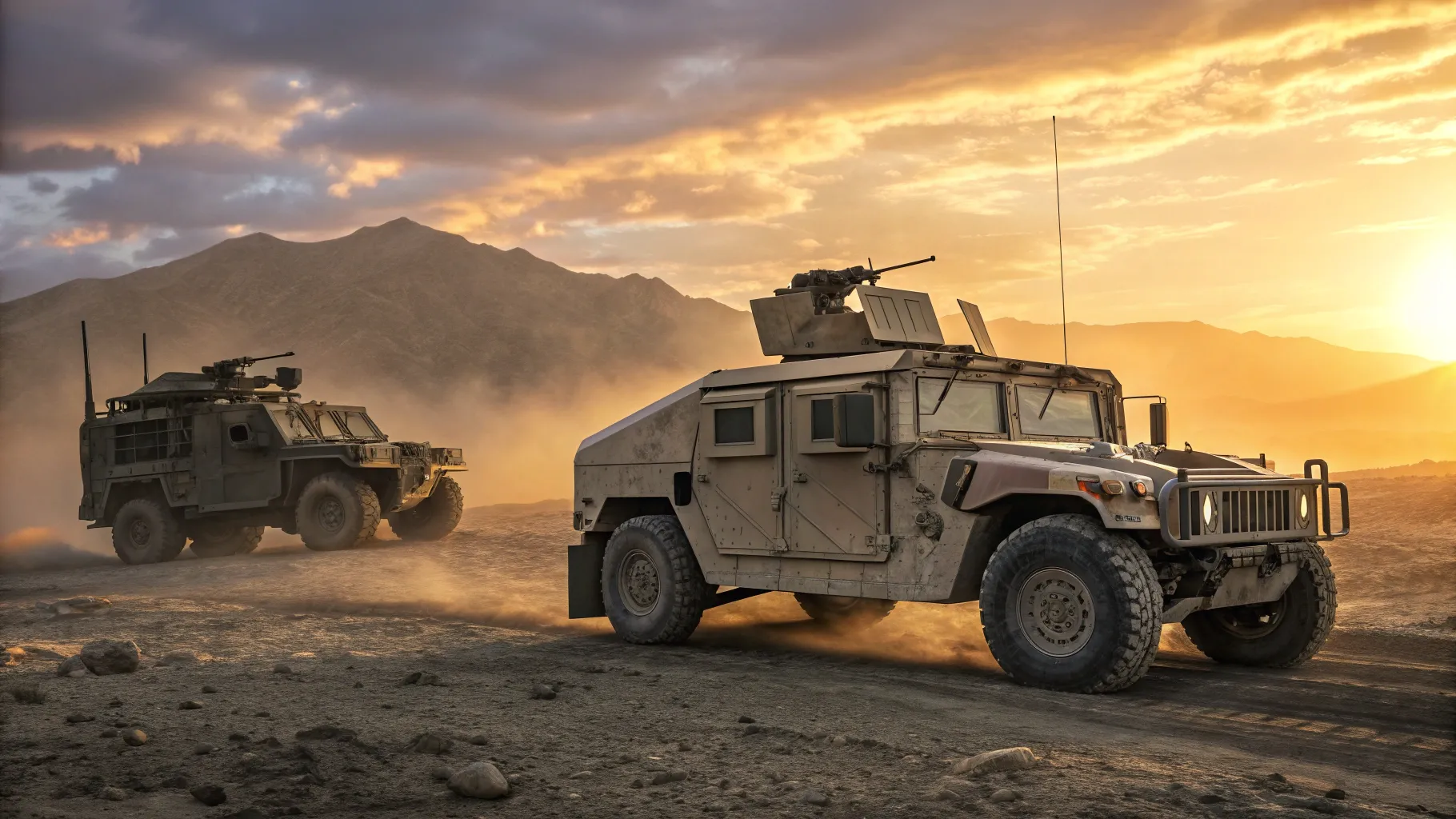
In the realm of military operations, safety often dictates vehicle choice. The Humvee (High Mobility Multipurpose Wheeled Vehicle) has been a staple since the 1980s. It initially had a reputation for versatility and mobility. However, as threats evolved, particularly with the rise of IEDs (Improvised Explosive Devices) during the conflicts in Iraq and Afghanistan, the need for better protection led to the introduction of the MRAP (Mine-Resistant Ambush Protected) vehicles.
Durability and Protection Features
The Humvee, while rugged and reliable, can only provide protection against small arms fire and shrapnel in its standard configurations. With armor upgrades, it can withstand more severe attacks, but it has limitations. For example, the newer models equipped with additional armor can resist 7.62mm rounds, but they are still vulnerable to land mines and IEDs designed to target lighter vehicles.
On the other hand, the MRAP was specifically designed with the current battlefield threats in mind. Its V-shaped hull helps deflect the force of blasts from below, which makes it far superior in protecting against land mines and IEDs. Reports indicate that as of 2025, MRAPs are capable of surviving blasts that would completely destroy a Humvee. This suggests a clear superiority in protective capability when it comes to explosive threats.
- Humvee: Armored against small arms fire, limited protection against explosives.
- MRAP: V-shaped hull offers significant protection against mines and IEDs; more durable under heavy fire.
Cost Analysis: Humvee vs MRAP
While protection and durability are critical, the cost of acquiring and maintaining these vehicles is significant. As military budgets tighten, understanding the financial implications becomes even more vital.
The cost of a new Humvee ranges approximately from $150,000 to $200,000, depending on the model and additional features. These vehicles can be found in surplus markets, with prices often lowering to $50,000 to $100,000 for older models. However, additional armor upgrades can add to the cost, depending on the extent of the enhancements.
In contrast, new MRAPs can cost anywhere from $500,000 to over $1 million. The protection they offer comes at a premium, but many military organizations now view this expenditure as justified given the level of risk involved in modern warfare scenarios.
For civilians considering surplus options, while Humvees are readily available and more affordable, MRAPs are harder to come by and carry a higher price tag. In the last six months, with increased interest in civilian protection vehicles, surplus MRAPs have surfaced, priced around $200,000 to $500,000, largely dependent on condition and modifications.
Real-World Applications in Civilian Life
As of 2025, our world sees increased interest from civilians in military vehicles for personal use, whether for safety, handling rough terrains, or off-road recreational activities. Humvees have been popular among civilian enthusiasts and survivalists. Many owners appreciate their rugged design and off-road capabilities. Additionally, they have become symbols of preparedness, especially in areas prone to natural disasters.
MRAPs are less common in civilian life, largely due to their size and weight, as well as regulatory restrictions in many areas. However, some private security firms and rural law enforcement agencies are exploring their use, especially in regions experiencing high crime rates or threats of civil unrest. Their unmatched protective features make them an appealing option in these contexts, despite their higher costs.
- Humvee: Popular for off-road enthusiasts and prepper communities.
- MRAP: Gaining traction among security firms and certain law enforcement agencies due to superior protection.
Pros and Cons of Humvee vs MRAP
When deciding between a Humvee and an MRAP, it is helpful to weigh the various pros and cons of each vehicle.
- Pros of Humvee:
- More affordable and widely available in surplus markets.
- Versatile design with numerous civilian applications.
- Generally easier to maneuver in urban environments.
- Cons of Humvee:
- Limited protection against explosives.
- Lower durability in extreme combat situations compared to MRAPs.
- Pros of MRAP:
- Excellent protection against IEDs and land mines.
- Highly durable under fire.
- Increasingly recognized for potential civilian applications in high-risk areas.
- Cons of MRAP:
- High acquisition and maintenance costs.
- Less maneuverable in tight spaces.
- Limited availability in surplus markets.
Ultimately, the choice between a Humvee and an MRAP for protection boils down to the specific needs of the user, whether in military operations or civilian applications. While Humvees offer versatility and affordability, MRAPs provide unmatched protection against modern threats. Each vehicle serves its purpose, highlighting the ever-evolving nature of military and personal defense strategies.
Authored by FreshLifeWire team