Understanding How Vacuum Erection Devices (VEDs) Work for ED
Fast Facts:
- Vacuum erection devices are a non-invasive treatment.
- Global demand for erectile dysfunction (ED) solutions is trending upwards for aging populations.
Exploring the Core Mechanics of a Vacuum Erection Device (VED)
For individuals seeking non-pharmacological solutions to achieve and maintain an erection, understanding how vacuum erection therapy systems work is crucial. These mechanical aids, often referred to as a vacuum erection device (VED), offer a reliable and effective treatment for erectile dysfunction (ED) by physically drawing blood into the penis, thereby facilitating a firm and sustainable erection. This comprehensive guide will delve into the operational principles, benefits, and practical application of this widely utilized erection therapy method.
The Science Behind Penile Blood Flow and VEDs
The fundamental principle behind how vacuum erection therapy systems work centers on manipulating penile blood flow. When a vacuum is created around the penis using the device's cylinder and pump, it generates negative pressure. This pressure differential causes a significant influx of blood into the corpora cavernosa, the two sponge-like regions of the penis responsible for erections. This engorgement mimics the natural physiological process of an erection, but instead of relying on nerve signals and neurotransmitters alone, it uses mechanical force to achieve the desired rigidity. For men experiencing compromised blood vessel function due to conditions like diabetes or cardiovascular disease, a vacuum erection device (VED) can bypass some of these biological limitations, providing a direct pathway to improved blood circulation within the penile tissue. The sustained engorgement of the penis is what allows for a firm erection suitable for sexual activity, making it a valuable tool in erection therapy.
Components of a Vacuum Erection Device System
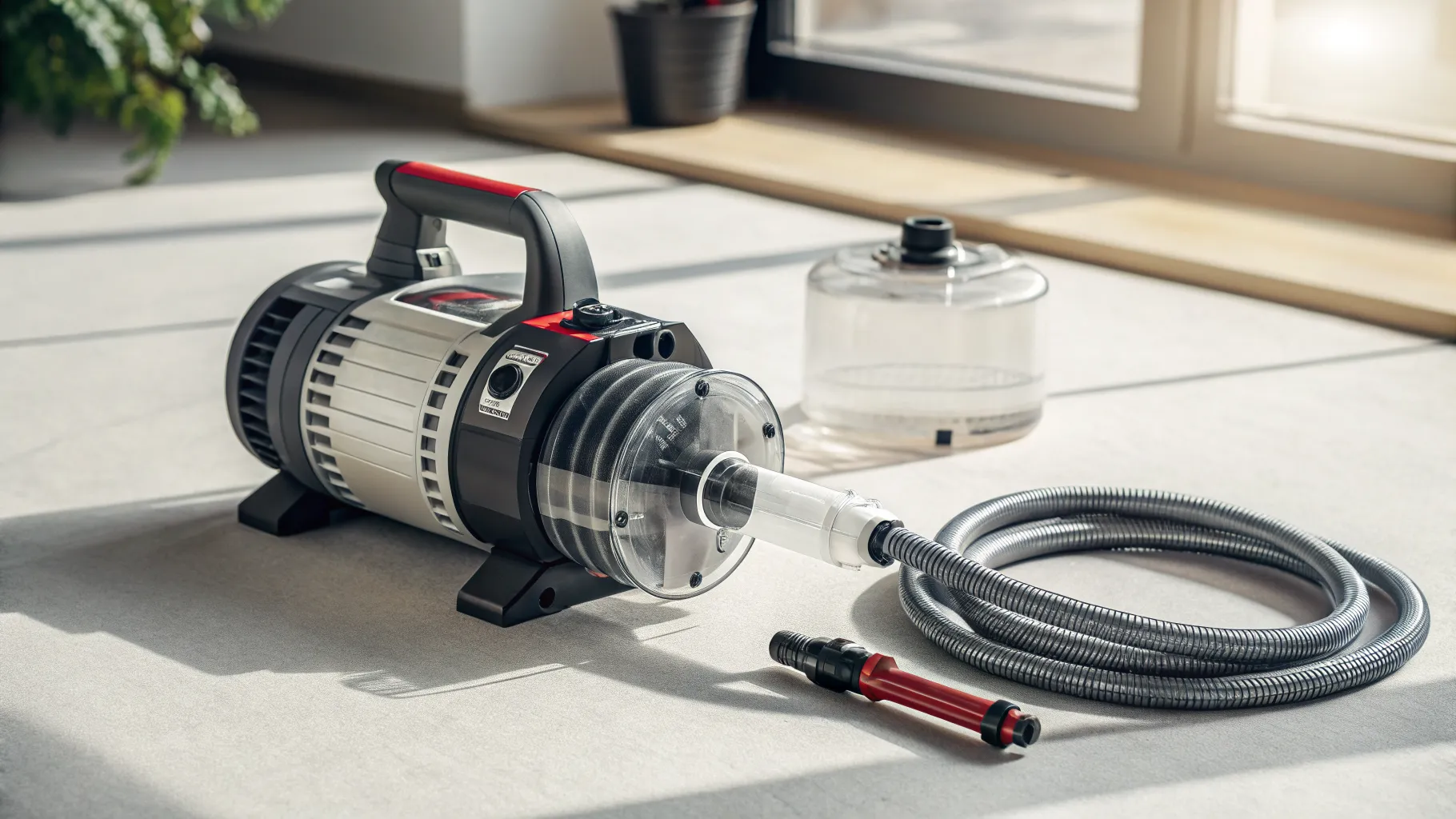
A typical vacuum erection device (VED) consists of several key components that work in concert to facilitate an erection. Understanding each part is essential for proper penis pump operation and maximizing its effectiveness.
The Cylinder
The cylinder is a transparent plastic tube that encloses the penis. It comes in various sizes to ensure a comfortable and effective seal against the body at the base of the penis. The fit of the cylinder is critical; it must be snug enough to create an airtight seal while not being overly tight or uncomfortable. The transparency allows the user to visually monitor the erection process and ensure proper positioning and blood engorgement within the penis. The edges are often smooth or cushioned to prevent skin irritation.
The Pump Mechanism
Attached to the end of the cylinder, the pump mechanism is responsible for creating the vacuum. Pumps can be either manual, operated by hand, or battery-powered, offering different levels of convenience and control. A manual pump typically involves squeezing a bulb or pulling a lever, while an automatic pump uses a motor. Both types are designed to gradually reduce the air pressure inside the cylinder, drawing blood into the penis. Most pumps feature a pressure relief valve, which is a crucial safety feature that allows the user to release the vacuum rapidly if any discomfort or pain occurs, preventing excessive pressure buildup and potential injury during erection therapy.
The Constriction Ring
Once an erection is achieved within the cylinder, a flexible constriction ring (also known as a tension ring or penile ring) is carefully slid from the base of the cylinder onto the base of the penis. The purpose of this ring is to maintain the erection by trapping the blood in the penis, preventing it from flowing back out once the cylinder is removed and the vacuum is released. These rings are available in various sizes and tensions to provide optimal fit and effectiveness without being overly restrictive. It is imperative that the constriction ring is not worn for more than 30 minutes to prevent compromised penile blood flow and potential tissue damage, making proper timing a critical aspect of safe erection therapy.
Step-by-Step Penis Pump Operation: Achieving an Erection
Effective penis pump operation requires a clear understanding of the sequential steps involved in achieving an erection safely and efficiently. Following these instructions carefully is paramount for success and minimizing risks associated with erection therapy.
First, ensure the chosen cylinder size is appropriate for your penis, allowing for a snug but not overly tight fit at the base. Lubricate the opening of the cylinder and the base of your penis with a water-soluble lubricant to create an airtight seal and reduce friction. This preparatory step is vital for the vacuum to form effectively.
Next, place your penis into the cylinder, ensuring it is centered. Begin pumping air out of the cylinder using the manual or automatic pump. Pump slowly and steadily. As the vacuum forms, you will observe your penis gradually engorging with blood and becoming erect. It is crucial to monitor the pressure and stop pumping if you experience any pain or significant discomfort. The goal is a firm erection, not excessive pressure. Most devices have a pressure gauge or indicator to help you maintain a safe level.
Once a satisfactory erection is achieved, typically within a few minutes, carefully slide the pre-selected constriction ring from the end of the cylinder down onto the base of your penis. This ring will maintain the erection by trapping the blood. After the ring is securely in place, release the vacuum in the cylinder using the pressure relief valve and remove the cylinder. The erection should now be maintained by the constriction ring. Remember, the constriction ring should not be worn for longer than 30 minutes to ensure adequate penile blood flow and prevent complications, a crucial guideline for safe erection therapy with a vacuum erection device (VED).
Benefits and Considerations of Erection Therapy with VEDs
Vacuum erection devices (VEDs) offer a unique set of benefits and considerations that patients and healthcare providers must evaluate when choosing an appropriate erectile dysfunction (ED) treatment. Understanding these aspects helps in making informed decisions about erection therapy.
Advantages of VEDs
One of the primary advantages of VEDs is their non-invasive nature. Unlike surgical implants or injections, VEDs do not require any medical procedures or medications, making them an appealing option for men who prefer to avoid pharmaceuticals or have contraindications to other treatments. They are also highly effective, with reported success rates for achieving an erection ranging from 70% to 90%, providing a reliable solution for many individuals struggling with erectile dysfunction (ED). Furthermore, VEDs can be a cost-effective long-term solution, as the initial investment in the device typically outweighs the recurring costs of oral medications. Some men also experience psychological benefits from being able to achieve an erection on demand, which can significantly improve self-confidence and intimacy.
Potential Side Effects and Precautions
While generally safe, VEDs can have potential side effects if not used correctly. These may include bruising or petechiae (small red spots) on the penis, a feeling of numbness or coolness, and a bluish discoloration of the penis below the constriction ring. Rarely, more serious complications like skin tears or prolonged erections (priapism) can occur if the constriction ring is left on for too long. It is crucial to always adhere to the maximum 30-minute wear time for the constriction ring and use a water-soluble lubricant to minimize skin irritation. Individuals with blood clotting disorders, sickle cell anemia, or those on anticoagulant medications should consult their doctor before using a vacuum erection device, as the risk of complications may be higher. Proper education on penis pump operation and adherence to safety guidelines are essential for safe and effective erection therapy.
Comparing VEDs to Other Erectile Dysfunction (ED) Treatments
When considering erection therapy options for erectile dysfunction (ED), it's beneficial to compare vacuum erection devices (VEDs) with other available treatments. Each method has its own mechanism of action, efficacy, convenience, and potential side effects.
Oral medications, such as PDE5 inhibitors (e.g., sildenafil, tadalafil), are often the first-line treatment. They work by enhancing the effects of nitric oxide, a natural chemical your body produces that relaxes muscles in the penis, increasing penile blood flow. While highly effective for many, they require intact nerve function and can have systemic side effects like headaches, flushing, or vision changes. VEDs, in contrast, provide a mechanical solution that is localized, avoiding systemic drug interactions and side effects, and can be effective even when nerve function is compromised. However, VEDs require manual application and are not as spontaneous as taking a pill.
Penile injections (e.g., alprostadil) involve directly injecting medication into the side of the penis, which causes the blood vessels to relax and fill with blood. These are highly effective for most men, even those who don't respond to oral medications. However, the invasiveness of injections can be a deterrent for some, and they carry risks of pain, bruising, or priapism. VEDs offer a non-invasive alternative to injections, avoiding needles but requiring a more involved preparation process for each use of the vacuum erection device.
Penile implants are a surgical option, typically reserved for men who have not responded to other treatments. They provide a permanent solution for achieving an erection but come with surgical risks, potential complications, and irreversible changes to penile anatomy. VEDs, on the other hand, are a reversible and non-surgical approach, allowing men to achieve an erection without permanent alteration, positioning them as a less drastic form of erection therapy before considering surgical options.
Maximizing Effectiveness and Safety with Your Vacuum Erection Device
To ensure the most effective and safest experience with your vacuum erection device (VED), adherence to best practices is paramount. Proper technique and consistent care will enhance the success of your erection therapy.
- Understand the Instructions Thoroughly: Always read the manufacturer's manual completely before attempting to use your vacuum erection device. Familiarize yourself with every component, its function, and specific safety warnings related to penis pump operation.
- Choose the Right Fit: Ensure that both the cylinder and the constriction ring are the correct size for your anatomy. An ill-fitting cylinder may not create an effective vacuum, and an improperly sized ring can be uncomfortable or ineffective at maintaining an erection, or even dangerous if too tight.
- Prioritize Lubrication: Use a generous amount of water-soluble lubricant on the base of your penis and the opening of the cylinder. This creates a better seal for the vacuum and reduces friction, minimizing the risk of skin irritation or bruising during the application of erection therapy.
- Limit Ring Wear Time: Never leave the constriction ring on for more than 30 minutes. Prolonged use can lead to serious complications, including nerve damage or tissue necrosis due to restricted penile blood flow. Set a timer to ensure strict adherence to this crucial safety guideline.
- Start Slowly and Gradually: When initiating the vacuum, pump slowly and gradually increase the pressure. Rapid or excessive pumping can cause discomfort or injury. Allow your penis to engorge naturally and stop pumping once a firm erection is achieved, avoiding unnecessary strain.
- Maintain Device Hygiene: Regularly clean all components of your vacuum erection device with mild soap and water after each use. Proper hygiene prevents bacterial buildup and ensures the longevity and safe function of your device, which is integral to successful erectile dysfunction (ED) management.
- Consult a Healthcare Professional: Before starting any new erection therapy, including the use of a vacuum erection device, consult with your doctor or urologist. They can provide personalized advice, rule out underlying medical conditions, and help you determine if a VED is the most appropriate treatment for your specific case of erectile dysfunction (ED).
Frequently Asked Questions
Is a vacuum erection device (VED) painful to use?
When used correctly, a vacuum erection device (VED) should not be painful. Some users might experience a sensation of coolness, numbness, or mild discomfort, but sharp pain indicates improper use or an ill-fitting device. It's crucial to follow instructions carefully and choose the right size of constriction ring to ensure comfort and effectiveness during erection therapy.
How long can I wear the constriction ring?
The constriction ring should generally not be worn for more than 30 minutes at a time. Prolonged use can restrict penile blood flow excessively, potentially leading to tissue damage. Always adhere to the manufacturer's guidelines and consult with a healthcare professional for personalized advice regarding your erectile dysfunction (ED) treatment plan.
Can VEDs permanently cure erectile dysfunction (ED)?
While VEDs are highly effective in treating the symptoms of erectile dysfunction (ED), they do not typically offer a permanent cure. They are a symptomatic treatment, meaning they help achieve an erection when needed. For underlying causes of ED, other treatments or lifestyle changes may be necessary, and consultation with a doctor is recommended for a comprehensive assessment of erection therapy options.
Are vacuum erection devices covered by insurance?
Coverage for vacuum erection devices varies significantly depending on your insurance provider and specific policy. In some cases, if prescribed by a doctor as a medically necessary treatment for erectile dysfunction (ED), they may be partially or fully covered. It is advisable to contact your insurance company directly to inquire about your specific benefits for erection therapy equipment.
References
- American Urological Association Guidelines.
- Journal of Sexual Medicine studies on VED efficacy.
- National Institute of Diabetes and Digestive and Kidney Diseases (NIDDK).
Authored by FreshLifeWire team