How to Use Salt to Kill Weeds: A Complete Guide for 2026
Facts:
- Salt kills weeds by causing severe dehydration.
- This method is a rising trend for eco-conscious gardeners seeking natural solutions.
Unlocking the Power of Salt for Effective Weed Eradication
For gardeners seeking a powerful, low-cost alternative to chemical herbicides, understanding how to use salt to kill weeds can be a game-changer. This common household item, when applied correctly, acts as a potent, natural desiccant that draws moisture out of unwanted plants, causing them to wither and die. It represents one of the oldest and most effective natural weed control methods available, perfect for tackling persistent weeds in driveways, patios, and walkways. This guide will provide detailed weed killing tips to ensure you achieve successful salt weed removal without harming your garden's overall health.
The Science: How Salt Weed Removal Actually Works
The principle behind salt weed removal is based on osmosis. When a concentrated salt solution is applied to a weed, it creates a hypertonic environment around the plant's roots and on its foliage. This imbalance forces the water from inside the plant cells to move out towards the higher salt concentration in the soil and on the leaves, in an attempt to balance the environment. This rapid loss of water, a process known as desiccation, causes the plant to dehydrate, wilt, and eventually die. This is why learning how to use salt to kill weeds is so effective; it disrupts the plant's most fundamental biological processes. It's a potent method among various garden weed solutions, but its power also necessitates careful application to avoid damaging nearby soil and desired plants.
Step-by-Step Guide: Applying Salt Correctly
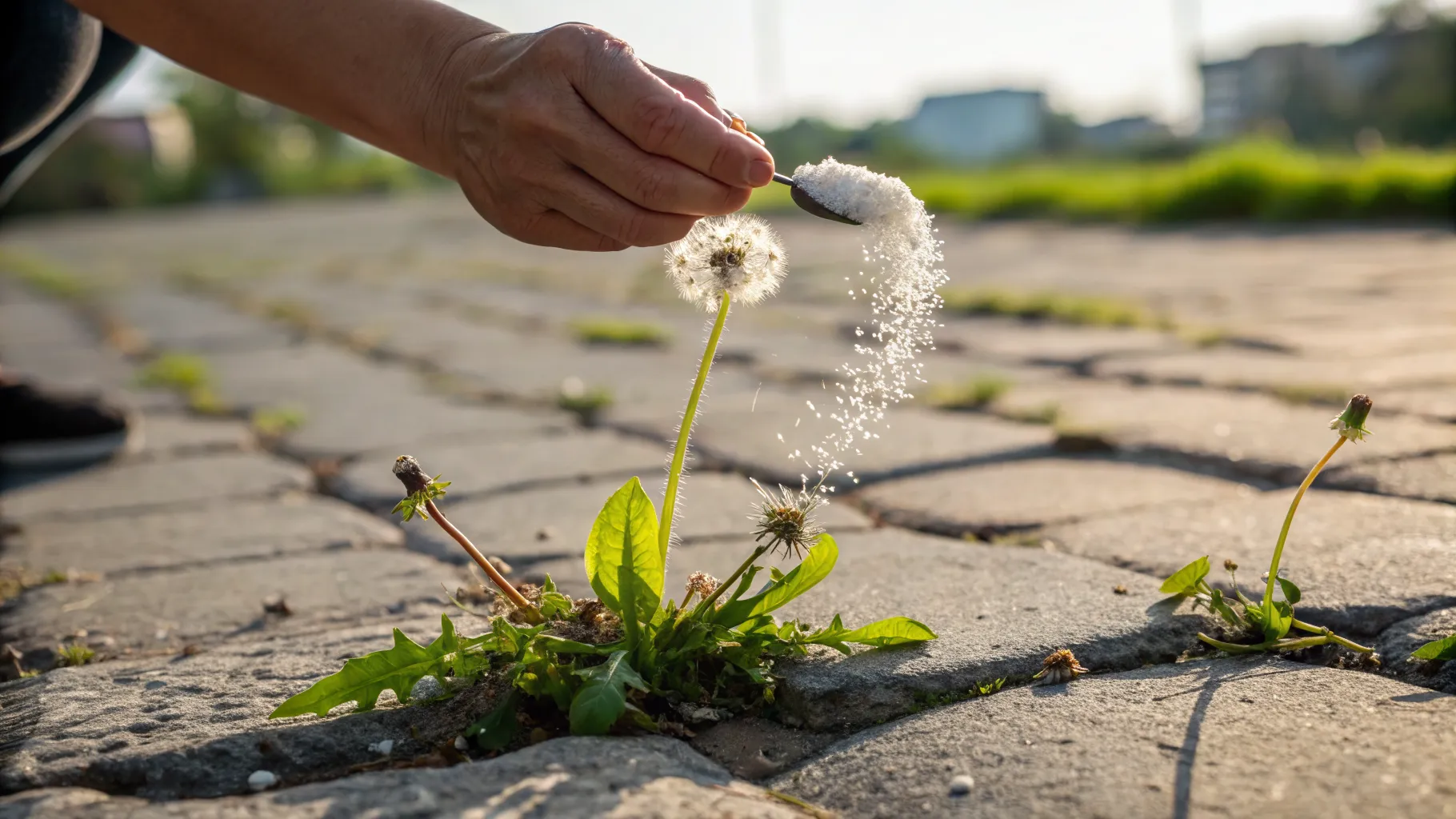
Proper application is crucial for success. Here’s a simple yet effective method. First, choose the right type of salt; standard table salt (sodium chloride) or rock salt works best. For a liquid solution, mix one part salt with two parts hot water in a spray bottle or garden sprayer, stirring until the salt is fully dissolved. The hot water helps the salt dissolve and can also help shock the plant upon application. For the best results, apply the solution directly to the leaves and the base of the weed on a dry, sunny day. The sun enhances the dehydration process. This is one of the most critical weed killing tips for this method. Be precise and avoid overspray onto desirable plants or lawn areas, as the salt will harm them as well. For weeds in cracks, a dry application of salt can also be effective, allowing rain to carry it down to the roots.
Choosing the Right Salt for Natural Weed Control Methods
While standard sodium chloride (table salt or rock salt) is the most common choice for how to use salt to kill weeds, it's important to understand the options. Rock salt is coarse and dissolves slowly, making it a good choice for applying dry in gravel driveways or patio cracks where long-term prevention is desired. Table salt dissolves easily in water, creating a potent spray for targeted application. Some sources mention Epsom salt (magnesium sulfate) as an alternative; however, Epsom salt is a nutrient that can actually improve soil health and may not be effective for killing weeds. For true desiccation and reliable salt weed removal, sodium chloride is the scientifically backed choice. It stands out among natural weed control methods for its sheer potency and accessibility.
Actionable Precautions: Protecting Your Garden
While effective, salt is non-selective and can render soil sterile if overused. Following these safety precautions is vital for responsible garden weed solutions.
- Target Precisely: Only apply salt directly to the weeds you want to kill. Use a spray bottle with a targeted nozzle or a funnel to apply dry salt to avoid contact with the soil where you plan to grow other plants.
- Avoid Garden Beds: Never use salt to treat weeds in or near your vegetable gardens, flower beds, or lawns. The residual salt can build up in the soil and prevent anything from growing there for months or even years.
- Protect Waterways: Be mindful of runoff. Do not apply salt in areas where it can be easily washed into storm drains or local water systems, as it can harm aquatic life. This is a key part of responsible gardening.
- Use Sparingly: A little goes a long way. Start with a weaker solution and only increase the concentration if necessary. Over-salting the earth is a serious problem that is difficult to reverse. Adhering to these weed killing tips ensures you're using this method safely.
Frequently Asked Questions
How long does it take for salt to kill weeds?
You can typically see weeds beginning to wilt and turn brown within a few days of application, especially if applied on a hot, sunny day. Complete die-off usually occurs within 7 to 10 days. The effectiveness depends on the weed type, size, and the concentration of the salt solution used.
Is using salt for weed removal safe for pets?
While salt itself is not highly toxic in small amounts, ingestion of large quantities can be harmful to pets, causing dehydration and sodium ion poisoning. It's best to keep pets away from treated areas until they are completely dry to prevent them from licking the salt off their paws or the plants.
Can I use salt to kill weeds in my lawn?
No, you should never use this method on your lawn. Salt is non-selective and will kill your grass just as effectively as it kills the weeds. This is one of the most important aspects of learning how to use salt to kill weeds—it's for non-vegetated areas only, like cracks in pavement or gravel paths.
References
- Journal of Environmental Horticulture - Studies on Non-Chemical Weed Control
- Purdue University Extension - Homeowner's Guide to Natural Weed Management
- The Royal Horticultural Society - Guidelines on Herbicide Alternatives
Authored by FreshLifeWire team