How to Prepare for Your First Pap Smear Tips and Guide
How to Prepare for Your First Pap Smear
Preparing for your first Pap smear is an important step in taking charge of your reproductive health. Many people feel anxious about this procedure, which is crucial for early detection of cervical cancer and other health issues. Understanding what the test involves and how to prepare can significantly reduce any apprehension you may have. In this guide, we’ll explore everything you need to know to feel confident and ready for your first Pap smear.
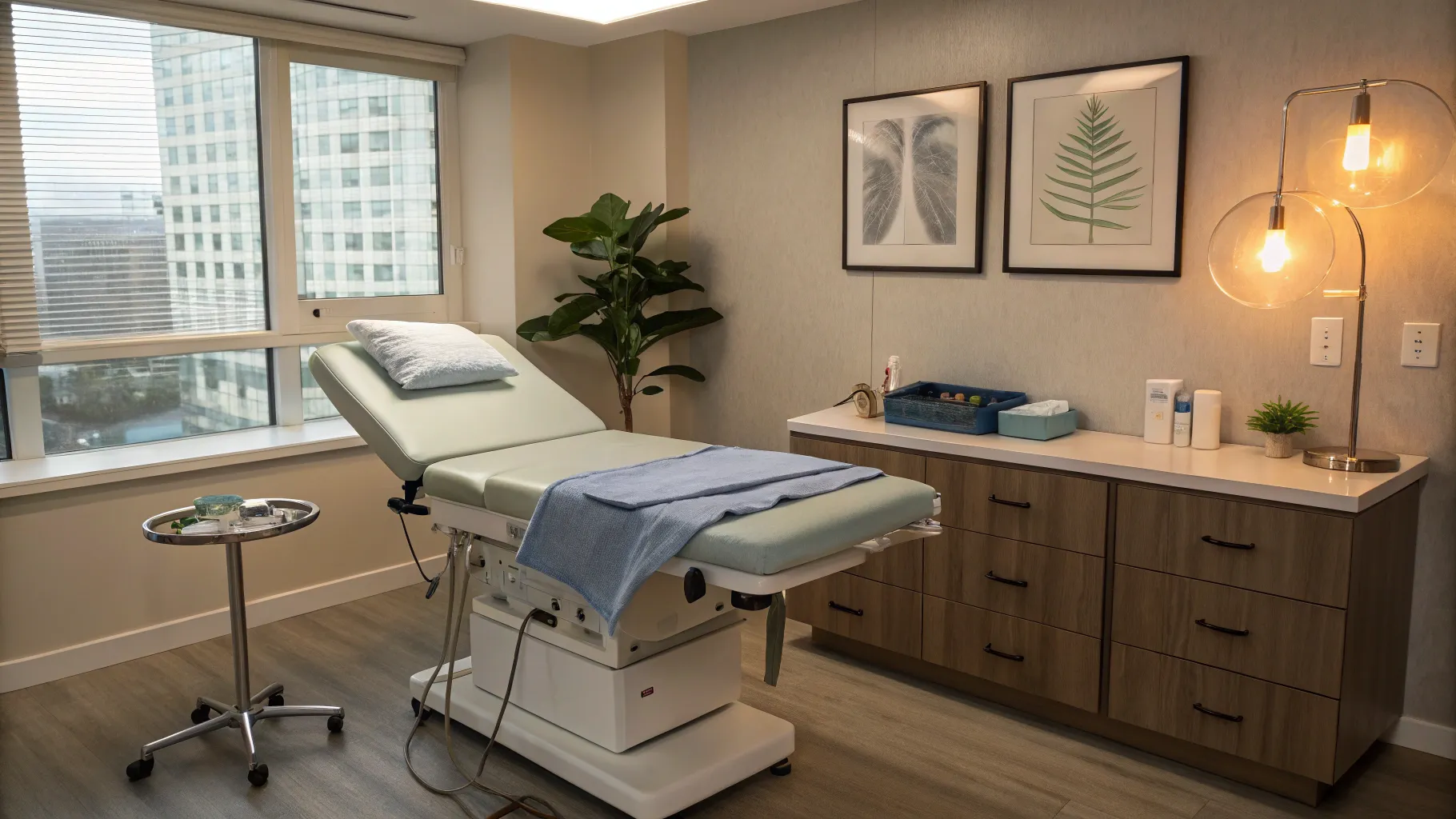
What to Expect at Your First Pap Smear
When you arrive for your Pap smear, knowing what to expect can help you relax. The process typically lasts only a few minutes but may vary slightly depending on your healthcare provider’s approach. Here’s a step-by-step overview of what you can anticipate:
- Check-in: Upon entering the clinic, you’ll fill out some essential paperwork. This usually includes your personal details and a brief medical history, which is crucial for your healthcare provider.
- Preparation: Once in a private examination room, you will undress from the waist down and lie on an exam table draped for your comfort.
- The Procedure: Your healthcare provider will use a speculum to gently open your vaginal walls. A small brush or spatula is then used to collect cells from your cervix. While you might feel some discomfort, it should not be painful.
- Post-Exam Discussion: After the test, you can get dressed, and your provider will discuss your results with you and any necessary follow-up actions.
Overall, most people find that the procedure is quick and not as uncomfortable as they had imagined. Deep breathing and a calm mindset can help ease any nervousness beforehand.
Essential Tips for Your First Pap Smear
Here are some practical tips to ensure you are well-prepared for your first Pap smear:
- Timing is Key: Schedule your appointment for approximately one week after your menstrual period. This timing usually makes the cervix less sensitive, resulting in a more comfortable experience.
- Prepare to Avoid Interference: Refrain from sexual intercourse, tampons, or douching for at least 48 hours prior to your appointment. These activities can potentially impact the reliability of your test results.
- Share Your Thoughts: If you are feeling anxious or have any concerns, communicate this to your healthcare provider. They can explain the procedures further and help put your mind at ease.
- Understand the Importance: Familiarize yourself with the significance of the Pap smear. Current statistics indicate that routine Pap testing can diminish the risk of cervical cancer by up to 80%. This knowledge can empower you.
Being informed is your best strategy for managing anxiety and ensuring a smooth experience.
Your Pap Smear Preparation Checklist
To ensure you’re fully prepared, here’s a handy checklist:
- Gather Personal Information: Have your medical history and a list of medications ready. Be aware of any previous gynecological concerns.
- Track Your Cycle: Knowing when your next period is due will help you accurately plan your appointment.
- Dress Comfortably: Choose clothes that are easy to remove to make the process simpler.
- Prepare Questions: Write down any queries you may want to discuss during your appointment. This can help you feel more in control.
A checklist not only makes you organized but also ensures you do not overlook critical elements of your preparation.
Further Preparation for Your Initial Cervical Screening
Beyond the logistical aspects, consider these additional points as you get ready for your Pap smear:
- Educate Yourself: Knowledge reduces fear. Learn more about cervical cancer, human papillomavirus (HPV), and the Pap smear process. Reliable sources include the CDC and local health departments, offering up-to-date information.
- Build a Support System: If it eases your anxiety, bring a friend or family member for emotional support. Their presence can transform a nerve-wracking experience into a more enjoyable one.
- Practice Relaxation Techniques: Consider engaging in relaxation exercises before your appointment. Methods such as deep breathing, meditation, or visualization can significantly help lower anxiety levels.
- Prepare for Aftercare: Treat yourself after your appointment. Whether it's indulging in your favorite meal or taking time to unwind at home, a little self-care can make a world of difference.
As of 2025, it’s advisable to be aware of new guidelines that recommend individuals with a cervix to begin Pap screening by age 21, regardless of their sexual history. Most women will continue to undergo Pap smears every three years until they reach 29 years old. From age 30 to 65, combination testing with HPV tests is often incorporated to enhance screening efficiency.
Recognize that the Pap smear is a standard procedure conducted by millions each year. With each appointment, you’ll likely feel more familiar and at ease with the process. Trust in the expertise of your healthcare provider and empower yourself to take control of your health. Being knowledgeable and prepared are your strongest assets to making your first Pap smear a great experience.
Authored by FreshLifeWire team