How to Know if You Drink Enough Water Daily Tips
Do You Drink Enough Water Daily
In today’s hectic environment, ensuring you stay properly hydrated can often slip through the cracks of your daily routine. It’s easy to overlook how much water is necessary for maintaining optimal health. But how can you effectively tell if you drink enough water daily? Understanding hydration's crucial role in your overall health and well-being has never been more important. In 2025, with so much information at our fingertips, you can easily recognize the signs of dehydration and ascertain your hydration needs during your busy days.
How Much Water Should You Drink in a Day
The commonly accepted guideline suggests adults should strive for about eight 8-ounce glasses of water each day, known as the "8x8 rule." This amounts to approximately 2 liters or about half a gallon. However, recent studies indicate that hydration needs can vary significantly based on factors such as age, sex, activity level, and even the climate. Recent guidelines from the National Academies of Sciences, Engineering, and Medicine for daily water intake are:
- Men: about 3.7 liters (or about 15.5 cups)
- Women: around 2.7 liters (or about 11.5 cups)
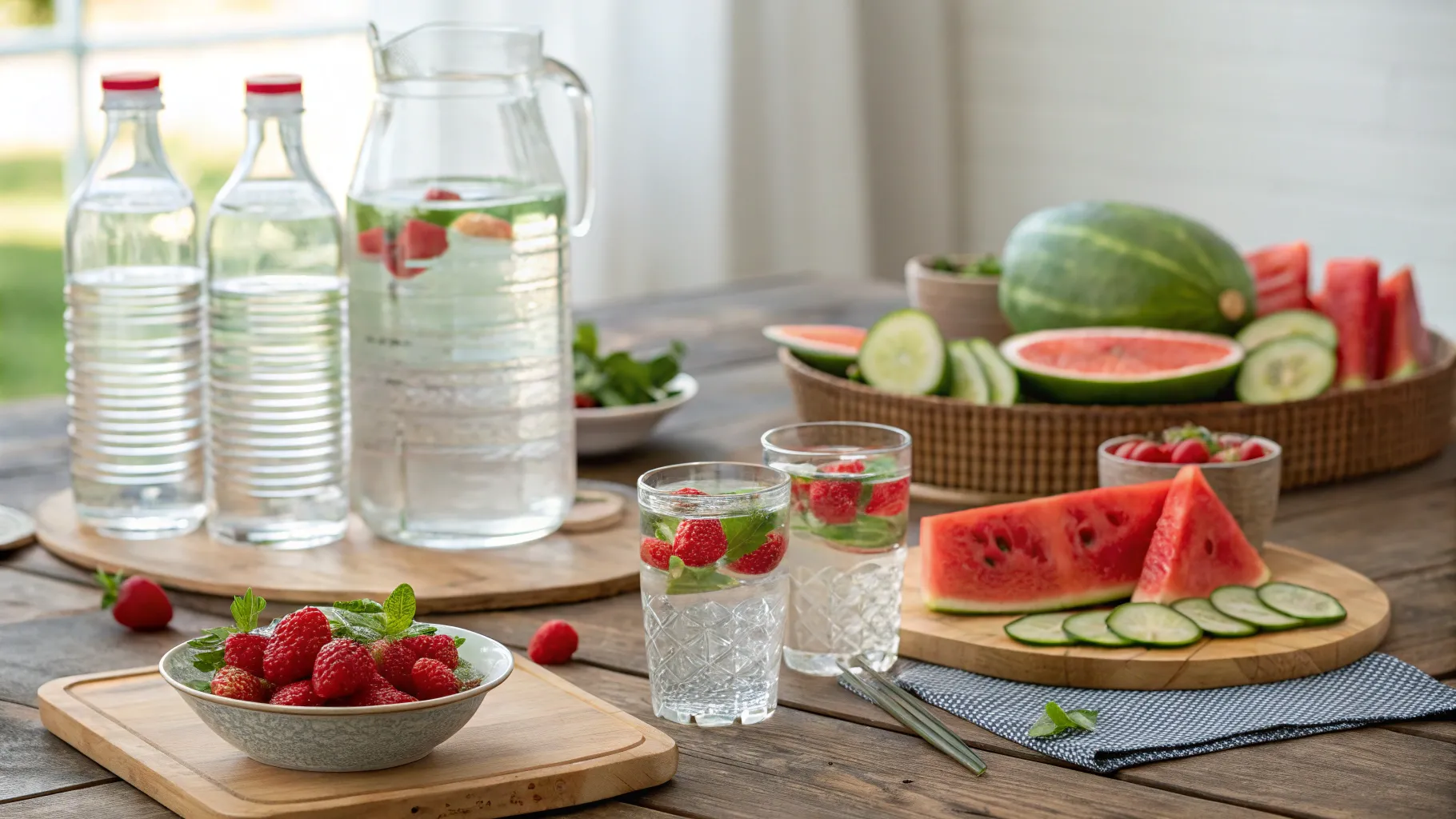
What’s interesting is that this total includes all beverages and food as well. In fact, approximately 20 percent of our daily water intake typically comes from the foods we eat, particularly juicy fruits and vegetables like watermelon and cucumbers.
What Happens If We Don’t Drink Enough Water
If you don’t consume adequate amounts of water, you could face several health issues. As summer hits and temperatures rise, the risk of dehydration grows. Short-term effects of dehydration can be uncomfortable and include:
- Fatigue
- Headaches
- Dizziness and confusion
In 2025, health experts continue to emphasize that severe dehydration can lead to much more serious complications, such as:
- Kidney stones
- Urinary tract infections
- Heat-related illnesses
The importance of adequate hydration cannot be overstated and remains a crucial topic of discussion at universities and health institutions around the globe as a preventive measure against chronic conditions and a catalyst for better physical performance.
What Are the Signs of Dehydration
Being aware of how to recognize the signs of dehydration is key in addressing this common issue. Common indicators can include:
- Thirst
- Dry mouth and cracked lips
- Dark yellow or amber-colored urine
- Reduced frequency of urination
- Fatigue, tiredness, or mood changes
If you notice two or more of these symptoms, it's essential to boost your water intake quickly. Medical professionals often recommend using urine color as a real-time hydration test; a color that’s clear to pale yellow means you’re good to go, while dark yellow suggests that your body needs more fluids.
Is It Possible to Drink Too Much Water Per Day
While staying hydrated is undeniably crucial, it’s also possible to overdo it—leading to a condition known as hyponatremia or water intoxication. This rare state happens when your sodium levels drop too low due to excessive water intake. Symptoms can include:
- Nausea and vomiting
- Headache
- Confusion or restlessness
- Seizures or coma in severe cases
Recognizing your body’s hydration needs is essential for avoiding these extremes. It’s a delicate balance, and understanding it can help keep you healthy.
How to Properly Distribute Water Intake Throughout the Day
Rather than trying to gulp down all your water at once, it’s far more beneficial to spread your intake throughout the day. Here’s a simple yet effective strategy for distributing your water consumption:
- Morning: Begin your day with a glass of water right after you wake up to rehydrate after a night of sleep.
- Before Meals: Drink a glass about 30 minutes before each meal to aid digestion.
- During Meals: Sip water throughout your meal for better hydration.
- Afternoon Slump: When your energy dips, reach for a glass of water instead of caffeine.
- Evening: Before wrapping up your day, enjoy another glass to finish strong. Just avoid large amounts before bedtime to prevent nighttime bathroom trips.
Tools like water-tracking apps and setting hydration reminders on your phone can also be quite helpful in developing healthy habits.
Can Coffee and Tea Replace Water
Caffeine-laden beverages such as coffee and tea often come under scrutiny for their hydrating capabilities. The good news is that recent studies indicate that moderate consumption of caffeinated drinks does not lead to dehydration for most people. Nevertheless, depending solely on coffee, tea, or sugary drinks for hydration isn’t advisable. Water remains the best choice because it’s calorie-free and vital for optimal health. Consider balancing your hydration plan by incorporating herbal teas, flavored waters, or fruit-infused drinks for a refreshing change.
How to Train Yourself to Drink More Water Every Day
If drinking sufficient water isn’t a part of your daily routine, you may need to create a habit slowly. Here are several strategies to help you increase your water intake consistently:
- Enhance the Flavor: Try adding slices of lemon, lime, cucumber, or berries to your water for an extra zing.
- Set Hydration Goals: Explicitly aim for a specific quantity of water each day and monitor your progress.
- Associate Drinking Water with Daily Activities: Build the habit by drinking a glass whenever you sit down at your work desk or take breaks.
- Utilize Reminders: Use alarms or reminders on your phone to take hydration breaks at intervals through your day.
As you gradually enhance your water intake habits, you will likely notice numerous benefits, including higher energy levels and improved focus throughout your day.
Staying well-hydrated remains paramount in your health journey. Recognizing how much water you need daily, understanding the signs of dehydration, and weaving hydration seamlessly into your life can lead to remarkable health advantages. Always pay attention to your body's signals regarding hydration, and make your wellbeing a priority—because you deserve it!
Authored by FreshLifeWire team