How to Identify Bed Bugs Signs and Symptoms at Home
How to Know if You Have Bed Bugs
Identifying whether you have bed bugs in your home can be a daunting task, especially if you are unfamiliar with their characteristics and the signs of an infestation. These pesky little pests are known for their stealthy behavior and rapid reproduction. Early detection is key to preventing a larger problem. In this article, we’ll explore the early signs of bed bug infestation, how to check for them in your mattress, and the differences between bed bugs and fleas, among other essential points.
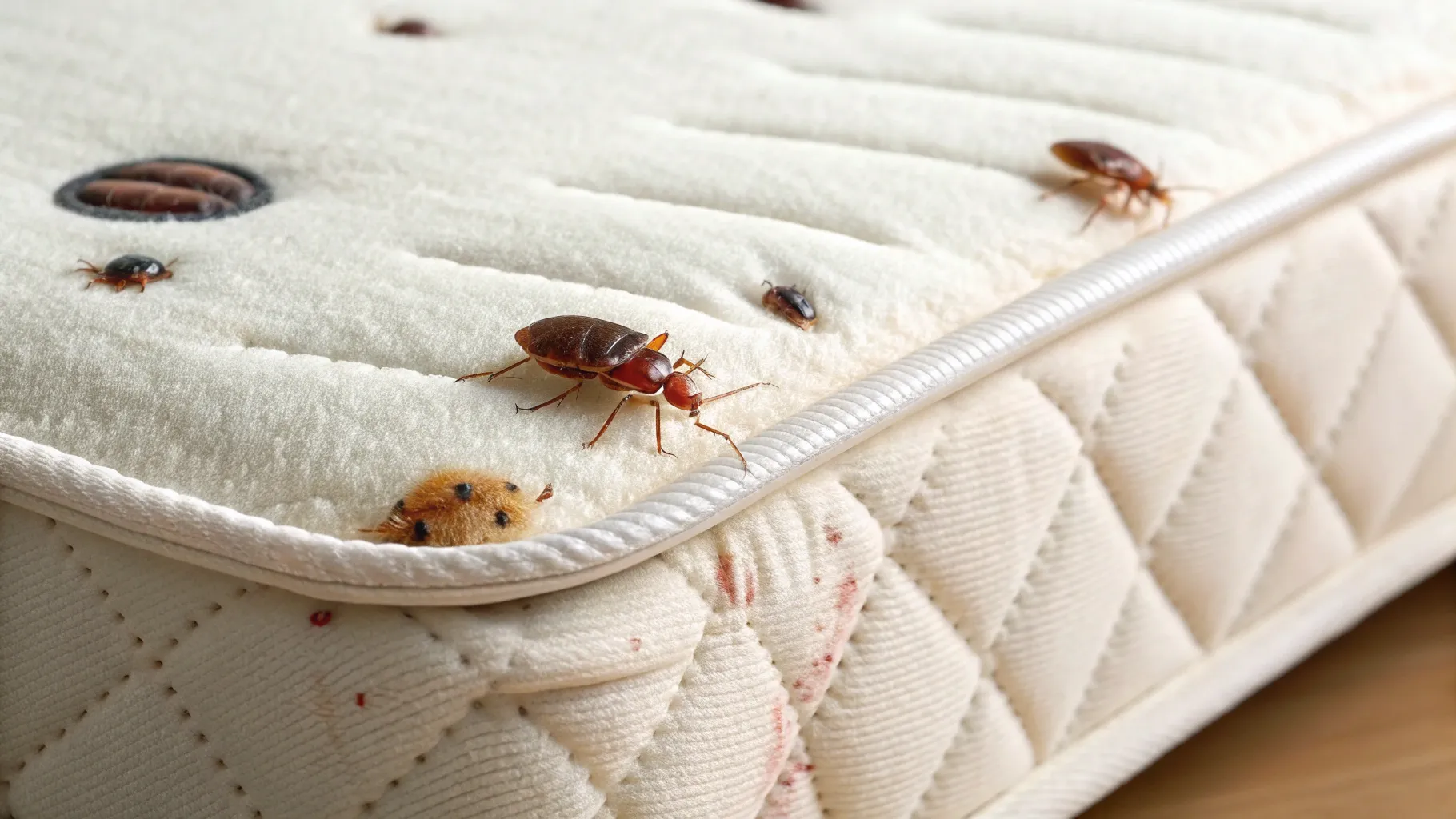
Early Signs of Bed Bug Infestation
The first step in determining if you have a bed bug problem is to look for early signs of infestation. Bed bugs are often mistaken for other insects, which can lead to confusion and a delay in taking action. Here are some common indicators:
- Bed Bug Bites: One of the most noticeable signs of bed bugs is their bites on your skin. These bites often appear in clusters or lines and can cause significant itching.
- Blood Stains on Sheets: After feeding, bed bugs can leave small blood stains on your bedding. If you notice these stains, be sure to investigate further.
- Bed Bug Fecal Spots: Dark, tiny spots on your sheets or mattresses are typically fecal droppings from bed bugs. These spots can sometimes be mistaken for ink stains.
- Live Bugs and Eggs: Spotting a live bed bug should be an immediate cause for concern. Adult bed bugs are about the size of an apple seed, and their eggs are tiny, white, and about the size of a pin head.
If you've experienced disturbed sleep or unexplained skin irritations, these could be symptoms of bed bug bites on your skin. Affected areas may turn red and swell, resembling mosquito bites. Understanding how to identify bed bug bites can aid you in confirming an infestation.
How to Check Mattress for Bed Bugs
Your mattress is a prime location for bed bugs to hide, and checking it regularly is crucial. Here’s how to inspect your mattress effectively:
- Remove Bedding: Strip your bed of all sheets, comforters, and mattress protectors. This gives you unobstructed access to the mattress itself.
- Inspect Seams and Edges: Use a flashlight to examine the seams and edges of your mattress thoroughly. Look for live bed bugs, eggs, and fecal matter.
- Check for Hiding Spots: Bed bugs can also hide under the mattress, so lift it and check the box spring for any signs of infestation.
In addition to your mattress, bed bugs can often be found in nearby furniture, such as the headboard, bed frame, and even carpets. Regular checks of these areas can help detect their presence before it becomes a larger issue.
Where Do Bed Bugs Hide in the Bedroom?
Knowing where bed bugs typically hide can assist you in your search. Besides mattresses and box springs, bed bugs are frequently found in:
- Cracks and Crevices: These pests love tight spaces, so check behind baseboards, wallpaper, and in bedside cabinets.
- Upholstered Furniture: Sofas, cushions, and chairs are all potential hiding spots.
- Luggage and Clothing: If you’ve traveled, inspect your luggage and clothing as bed bugs can hitch a ride on your belongings.
The Difference Between Bed Bugs and Fleas
While both bed bugs and fleas bite humans, they are notably different in appearance and behavior. Understanding these differences can streamline your search for the source of discomfort:
- Appearance: Bed bugs are flat, oval, and brownish in color, while fleas are much smaller and more elongated, resembling small grains of rice.
- Feeding Habits: Bed bugs typically feed only at night while fleas feed at any time on any warm-blooded animal, making them easier to notice.
- Infestation Locations: Fleas generally thrive on pets, while bed bugs prefer living in proximity to where humans sleep.
How to Identify Bed Bug Eggs
Bed bug eggs are one of the most concerning indicators of an infestation. These eggs are about 1mm long, white, and resemble tiny grains of rice. They can be found in hiding places near feeding sites. To effectively identify bed bug eggs, use a magnifying glass and look for:
- Clusters: Eggs are often laid in clusters, so finding one can mean there are many more nearby.
- Sticky Residue: Bed bug eggs have a sticky coating that helps them adhere to surfaces, making them more difficult to remove.
How to Confirm Bed Bugs at Home
If you suspect you have bed bugs, thorough confirmation is necessary. Here’s a step-by-step guide to help you:
- Visual Inspection: Conduct a detailed visual inspection of all potential hiding spots as mentioned earlier.
- Use Bed Bug Traps: Bed bug interceptors can be placed under furniture legs to catch any wandering bugs.
- Consult a Professional: If you’re still unsure, don’t hesitate to contact pest control experts who specialize in bed bug detection and treatment.
Once you confirm the presence of bed bugs, immediate action is vital to avoid significant discomfort and extensive infestations. Early detection and proactive measures can save you time and money in the long run. As more people travel and move homes, staying vigilant and knowing the signs of bed bug infestations is crucial in ensuring your home remains pest-free.
Authored by FreshLifeWire team