How to Effectively Fix Chipped Car Paint Quickly
Understanding Chipped Car Paint
Car paint can chip for various reasons, ranging from minor accidents to environmental factors such as road salt or stones kicked up by other vehicles. Family road trips, daily commutes, and even parking lot scrapes contribute to the wear and tear on your vehicle's surface. The primary concern with chipped car paint is not just aesthetics; exposed metal can lead to rusting and corrosion, which may necessitate more extensive repairs in the future. In 2025, with the automotive industry seeing advancements, even chips can still significantly reduce your car’s resale value.
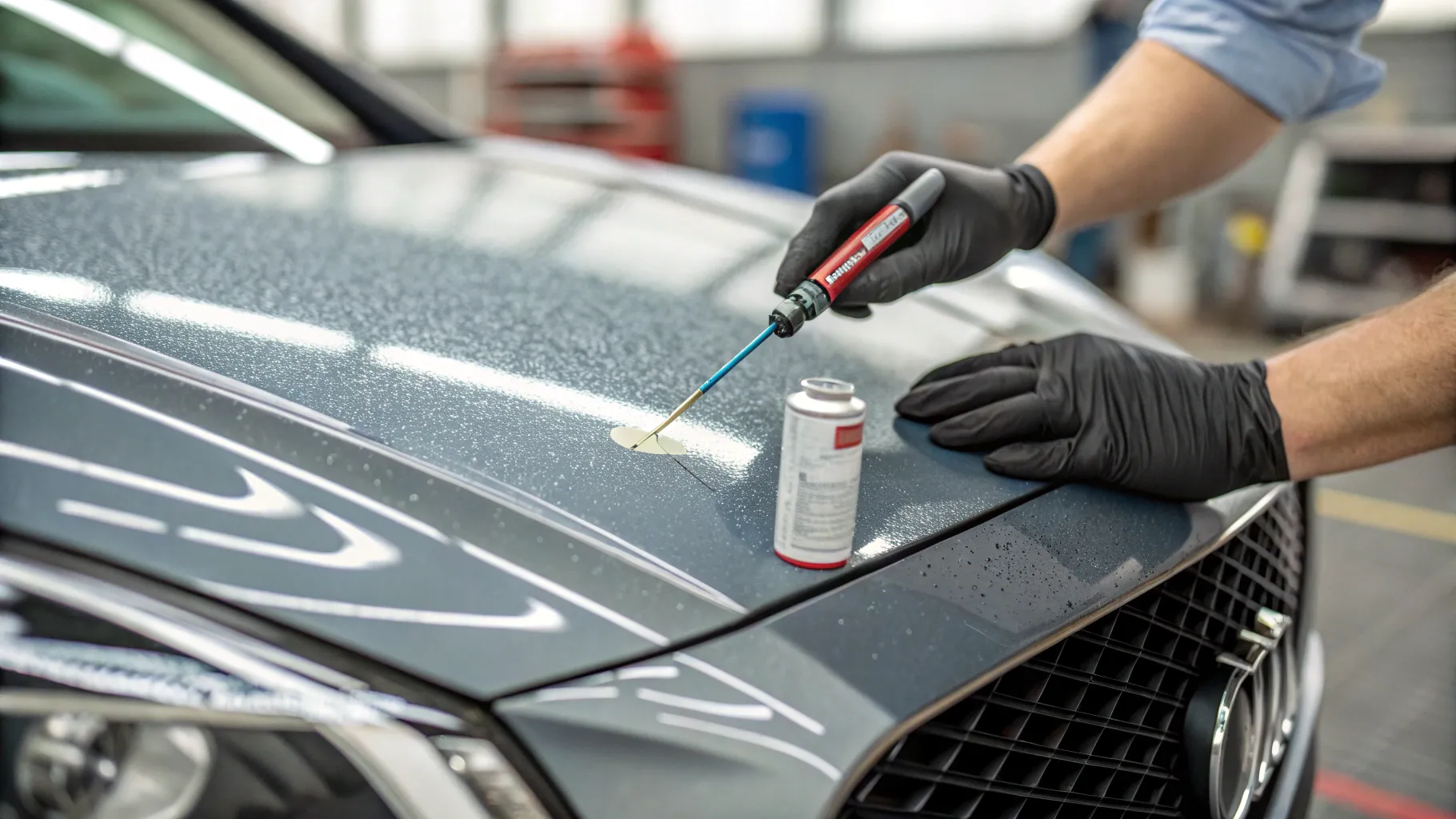
Fixing Chipped Car Paint: The Step-by-Step Guide
Fixing chipped car paint doesn’t have to be a daunting task. With the right tools and a little patience, you can restore your vehicle’s appearance and protect it from further damage. Here’s a detailed guide on how to effectively fix chipped car paint.
1. Gather Your Materials
Before you start, you’ll need to gather the necessary materials:
- Touch-up paint: Make sure to get the exact color match for your car. You can find the color code in your car manual or printed inside the driver’s door.
- Sandpaper: Choose fine-grit sandpaper (around 2000-grit) for smoothing the edges of the chip.
- Paintbrush or applicator: A fine-tipped brush works well for precise application.
- Clear coat: Optional but recommended for extra protection.
- Wax and polish: For finishing touches.
- Masking tape: To protect areas surrounding the chip.
2. Clean the Area
The first step in fixing chipped car paint is cleaning the area around the chip. Use soap and water to remove dirt and grime. Dry the area thoroughly. A clean surface is crucial for paint adhesion.
3. Prepare the Chip
Once the area is clean and dry, use fine-grit sandpaper to gently sand the edges of the chip. This step helps to create a smooth surface for the paint to adhere better. Be careful not to sand beyond the chipped area and into the surrounding healthy paint.
4. Apply Touch-Up Paint
Using your paintbrush or applicator, carefully apply the touch-up paint into the chip. Make sure to fill the chip completely but avoid creating a significant buildup. Patience is key; let the paint dry fully and apply additional layers if necessary. In 2025, many touch-up paints now feature quick-drying formulas, often drying within minutes.
5. Apply Clear Coat
If you opted for a clear coat, apply it over the dried touch-up paint. This extra layer will provide added protection and help blend the repaired area with the surrounding paint. Allow it to dry as per manufacturer guidelines.
6. Wax and Polish
After everything has dried completely, it’s time to polish the area to match the finish of your other car paint. Use a soft cloth and a good-quality car wax. This step not only gives your car a beautiful shine but also provides additional protection against future damage.
Why Timely Repair is Crucial
It’s essential to address chipped car paint quickly. As mentioned earlier, if left untreated, the exposed metal can rust, leading to much more costly repairs. According to recent statistics, approximately 30% of car owners delay repair work, which can lead to a significant drop in the vehicle’s value. In the last months, the automotive market has seen cars with well-maintained paintwork sell up to 15% higher compared to those with visible damage.
Common Mistakes to Avoid
As you work on fixing chipped car paint, here are a few common pitfalls to avoid:
- Skipping surface prep: Failing to clean or sand the chipped area can ruin the repair job.
- Using the wrong paint: Always verify that the touch-up paint matches your vehicle’s color code.
- Applying paint in poor conditions: Extreme temperatures and humidity can affect paint adhesion and drying.
Professional Repair Options
If the chip is too large or if you’re uncertain about your DIY skills, consider seeking professional help. Many auto body shops offer services specifically for paint repair. In 2025, the average cost for professional chip repair can range from $50 to $150, depending on the size of the chip and the labor involved. Research in your area shows that returning customers for these services increased by 20% in the last six months, indicating satisfaction with professional results.
Maintaining Your Vehicle After Repair
After you've successfully repaired chipped paint, maintaining your vehicle’s exterior is crucial to prevent future issues. Regular washing, using a wax that protects against UV damage, and avoiding potential hazards (like parking too close to shrubs or in crowded lots) can help keep your paint looking fresh. Not only will your car look better, but it will also retain its value longer. Studies have shown that well-maintained vehicles with pristine paint jobs have a significantly higher market value.
In conclusion, fixing chipped car paint is an achievable task with the right tools and knowledge. Whether you choose to tackle this as a DIY project or opt for professional help, being proactive about these repairs is essential in maintaining your vehicle’s aesthetics and value. With the rising costs of maintaining modern vehicles in 2025, taking care of minor imperfections promptly can save you money in the future and ensure your car remains in top condition.
Authored by FreshLifeWire team