How to Choose the Best Weatherproof Materials for Your Garden Furniture: A Complete Guide
Facts:
- Teak wood contains natural oils that repel water and insects.
- A growing trend for homeowners is investing in sustainable, long-lasting outdoor materials.
Decoding Durability: Your First Step to Flawless Outdoor Furnishings
Investing in garden furniture is an investment in your home's comfort and aesthetic appeal. However, the outdoor environment can be harsh, with sun, rain, and temperature fluctuations taking a toll. The key to ensuring your investment lasts is understanding how to choose the best weatherproof materials for your garden furniture from the outset. This guide will walk you through the top material choices, their pros and cons, and maintenance requirements, empowering you to select pieces that will withstand the elements for years to come. Making the right choice involves balancing style, budget, and the specific climate you live in, a crucial step in creating your perfect outdoor oasis.
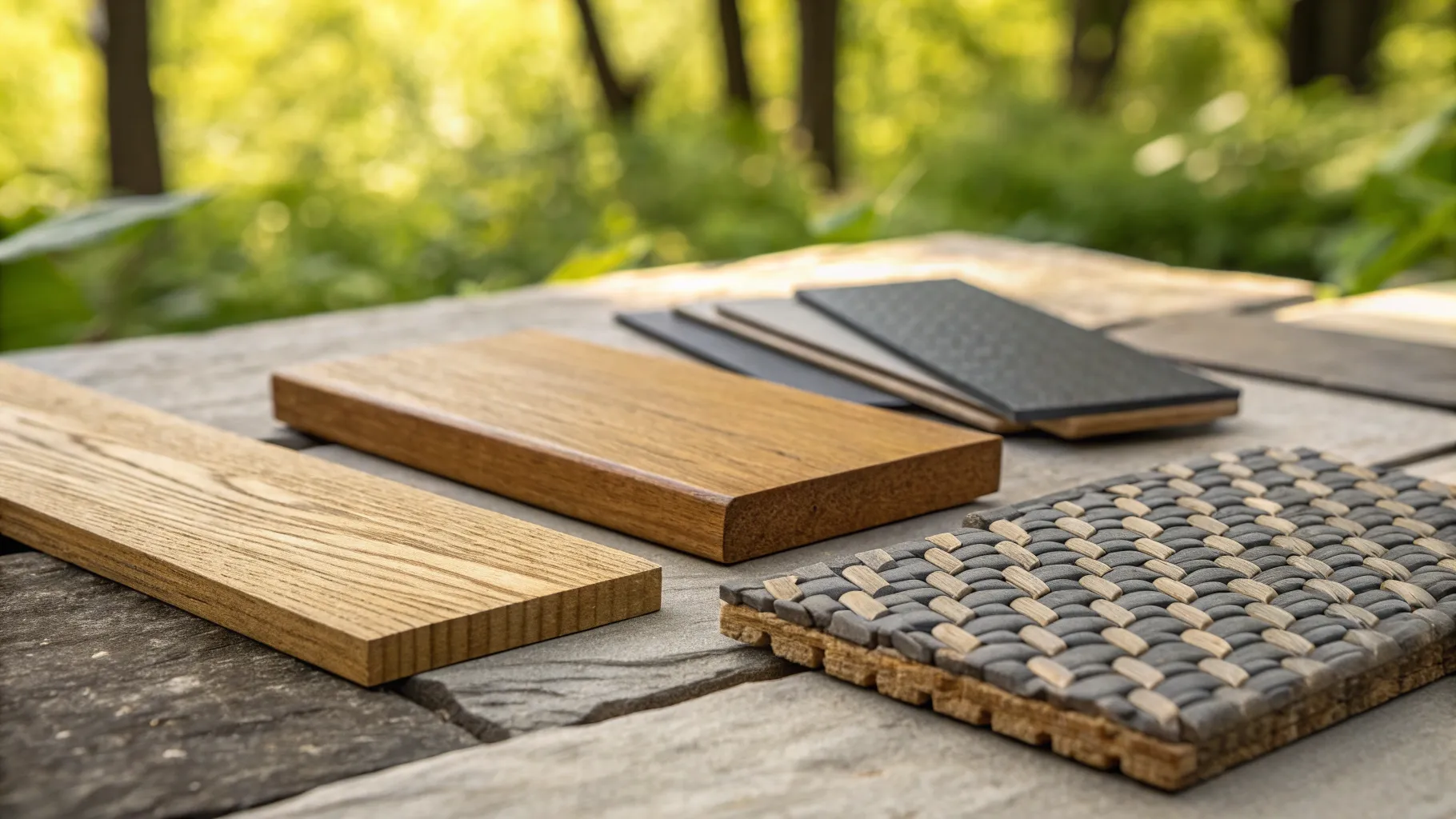
A Deep Dive into the Best Weatherproof Garden Furniture Materials
When you start your search, you'll encounter a wide array of options. Each material offers a unique combination of durability, style, and maintenance needs. Understanding these differences is fundamental when learning how to choose the best weatherproof materials for your garden furniture. Let's break down the most popular and reliable choices available on the market.
Teak: The Unrivaled Natural Champion
Teak is often considered the gold standard for durable outdoor materials. This dense hardwood is rich in natural oils and rubber, which act as inherent repellents against water, rot, and insects. It's incredibly strong and can last for decades, even a lifetime. Initially a warm, honey-brown color, teak will naturally weather to an elegant silvery-grey patina if left untreated. While it is the most expensive option, its longevity and minimal maintenance needs often justify the initial cost for those seeking premium, all-weather garden furniture.
Synthetic Resin Wicker: Modern Versatility and Resilience
For the classic look of wicker without the fragility of natural fibers, synthetic resin is the answer. Typically woven over a sturdy aluminum frame, high-density polyethylene (HDPE) wicker is resistant to UV rays, moisture, and cracking. This makes it an excellent, low-maintenance choice for almost any climate. It's lightweight, easy to clean, and available in a vast range of colors and styles, making it a versatile option when considering how to choose the best weatherproof materials for your garden furniture.
Aluminum: Sleek, Strong, and Rust-Proof
Aluminum is a fantastic material for modern and contemporary garden furniture. Its primary advantage is that it is inherently rust-proof, a critical feature for outdoor use, especially in coastal or rainy areas. It is also lightweight, making it easy to move and rearrange your patio layout. Look for powder-coated finishes, which add an extra layer of protection against scratching and the elements. Its strength-to-weight ratio is excellent, providing robust support without the bulk of other metals.
Stainless Steel and Wrought Iron: The Heavyweights
For a substantial, classic look, wrought iron and stainless steel are excellent choices. Wrought iron is incredibly heavy and sturdy, making it ideal for windy locations. It requires a quality powder-coated finish to prevent rust and may need occasional touch-ups. Stainless steel offers a more modern aesthetic and is highly resistant to rust and corrosion, although it can be more expensive. Both are extremely durable outdoor materials that promise longevity if cared for properly.
Comparing Top Materials: Durability vs. Maintenance vs. Cost
The decision on how to choose the best weatherproof materials for your garden furniture often comes down to a direct comparison. Teak offers the highest natural durability but comes with the highest price tag. Its maintenance is low, mostly optional if you like the silver patina. Aluminum is more affordable, virtually maintenance-free, but can be lightweight, which might be a disadvantage in windy areas. Synthetic resin wicker provides a great balance of style, mid-range cost, and very low maintenance, making it a popular all-rounder. Your choice depends on prioritizing budget, desired aesthetic, or the level of upkeep you are willing to perform.
Actionable Advice for Selecting Your Furniture
Before you make a purchase, consider these crucial factors to ensure you're getting the best value and performance for your specific needs. This is a practical checklist for how to choose the best weatherproof materials for your garden furniture.
- Assess Your Climate: If you live in a rainy, coastal area, rust-proof materials like aluminum or high-grade stainless steel are essential. For hot, sunny climates, look for materials with high UV resistance, such as HDPE wicker or teak.
- Consider Maintenance Commitment: Be honest about how much time you want to spend on upkeep. If you prefer a 'set it and forget it' approach, aluminum and synthetic resin are your best bets. If you don't mind occasional oiling or cleaning to maintain color, wood can be a beautiful choice.
- Evaluate Weight and Portability: Do you plan to store your furniture in the winter or rearrange it often? Lightweight aluminum or resin wicker furniture will be much easier to handle than heavy wrought iron or teak.
- Check the Hardware: The best materials in the world are useless if the nuts and bolts holding them together rust away. Ensure all hardware is made from stainless steel or another corrosion-resistant material.
Preserving Your Investment: Essential Maintenance Tips
Proper care will significantly extend the life of your weatherproof garden furniture. A little effort goes a long way in keeping your outdoor space looking pristine. Regularly cleaning all types of furniture with mild soap and water can prevent dirt buildup and mildew. For teak, you can apply a specialized sealer annually to maintain its honey color. For metal furniture, inspect for any chips in the finish and touch them up immediately to prevent rust from taking hold. Covering your furniture during the off-season or harsh weather provides the ultimate protection regardless of the material.
Frequently Asked Questions
What is the most durable material for outdoor furniture?
Teak is widely regarded as the most durable natural material due to its high oil content, which resists rot and pests. For manufactured materials, high-quality, powder-coated aluminum and HDPE synthetic wicker offer exceptional durability and resistance to the elements.
How can I protect my garden furniture from rain?
The first step is understanding how to choose the best weatherproof materials for your garden furniture. Materials like aluminum, teak, and synthetic resin are built to withstand rain. For added protection, using waterproof covers during heavy downpours or for off-season storage is highly recommended.
Is wrought iron a good choice for outdoor furniture?
Wrought iron is extremely strong and heavy, making it great for windy climates. However, it is susceptible to rust if the protective coating is compromised. It requires more maintenance than aluminum but offers a classic, timeless aesthetic.
Does 'weatherproof' mean zero maintenance?
No, 'weatherproof' or 'weather-resistant' means the material can withstand regular exposure to outdoor elements without significant degradation. All outdoor furniture benefits from regular cleaning and some level of care to maximize its lifespan and appearance.
References
- The Institute of Garden Design: Material Durability Studies
- Outdoor Furnishing and Materials Journal
- Home and Garden Climatology Reports
Authored by FreshLifeWire team